


Porsche has left the Volkswagen Group’s shared CO₂ pool in the EU and is forming an open pool with XPENG for 2026 and 2027 instead. That is in a list of declarations of intent to form open pools that the European Commission published on 5 August 2026. Reporting on the arrangement on 12 August, electrive cited Porsche’s confirmation to Handelsblatt.
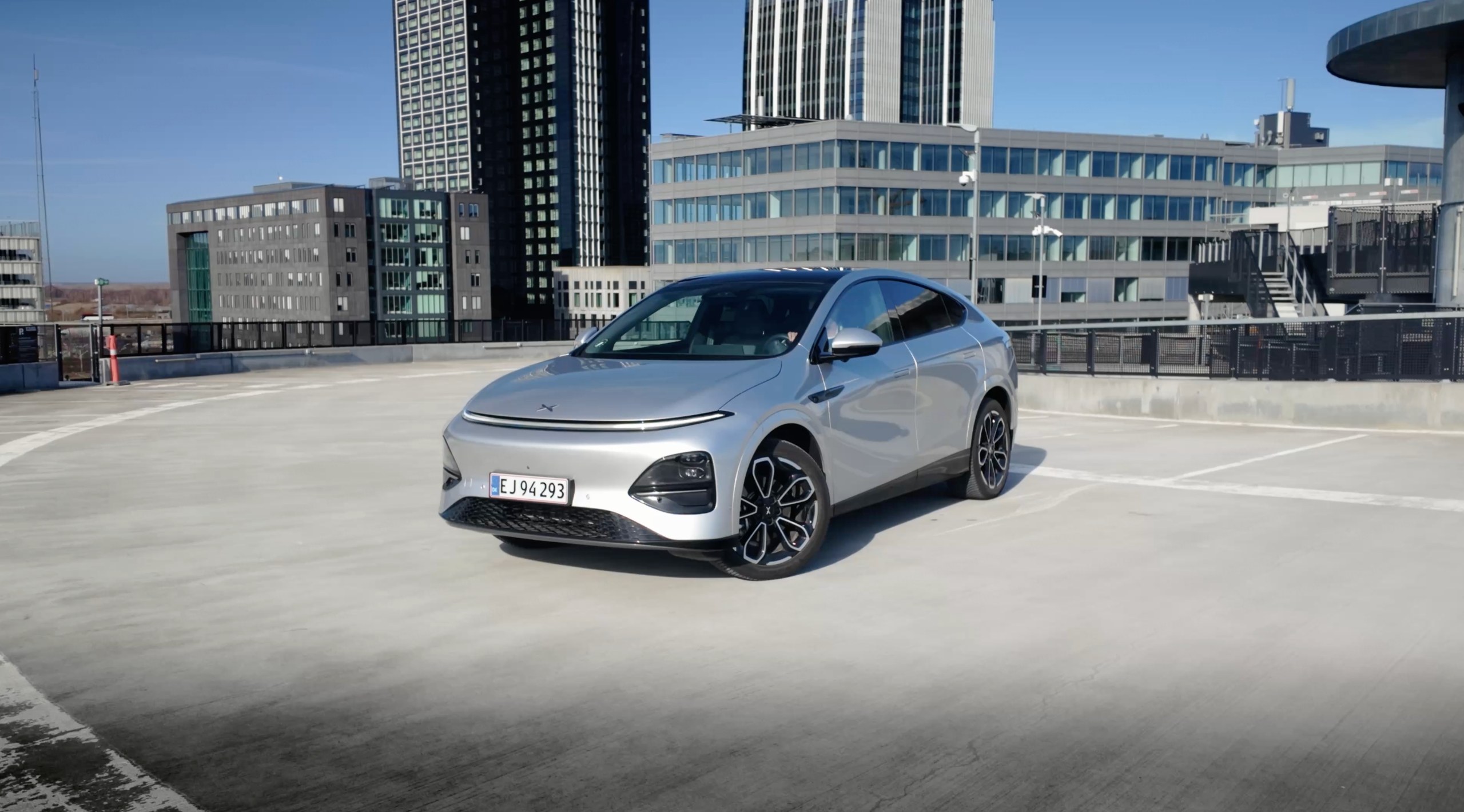
Why a sports-car maker pools with XPENG
The EU sets a limit on how much CO₂ each manufacturer’s new cars may emit on average. Manufacturers may combine their fleets in pools, and then the pool’s overall average is what counts. XPENG sells only electric cars in Europe. They count as 0 g CO₂/km in this fleet calculation, which measures tailpipe emissions, and therefore lower the pool’s average.
Compliance for 2025-2027 is assessed across the full three-year period. Exceeding the target in one year can therefore be offset by a better result in another. The penalty rate is 95 euros per g CO₂/km above the target for each newly registered car.
According to electrive, Porsche told Handelsblatt that the pool gives it flexibility in the transition to electric cars but does not change its long-term strategy.
What XPENG gets out of it
XPENG has not commented on the arrangement itself, and the financial terms have not been disclosed. Pooling could provide extra revenue for XPENG because its electric cars help the pool meet its CO₂ requirements. More European XPENG registrations would increase their contribution to lowering the pool’s average.
Porsche belongs to the Volkswagen Group, which has owned just under 5 per cent of XPENG since 2023 and develops cars with it in China. More on XPENG’s partners is on the XPENG company page.
Image: XPENG
Sources
European Commission: declarations of intent to form open CO₂ pools for cars · 5 August 2026
electrive: Porsche to form EU CO₂ pool with XPENG · 12 August 2026
Regulation (EU) 2019/631 on CO₂ standards for new cars
European Commission: CO₂ standards, penalties and compliance for 2025-2027