



XPENG GX
Full-size flagship SUV for the L4 era - built on SEPA 3.0. Not for sale in Europe.
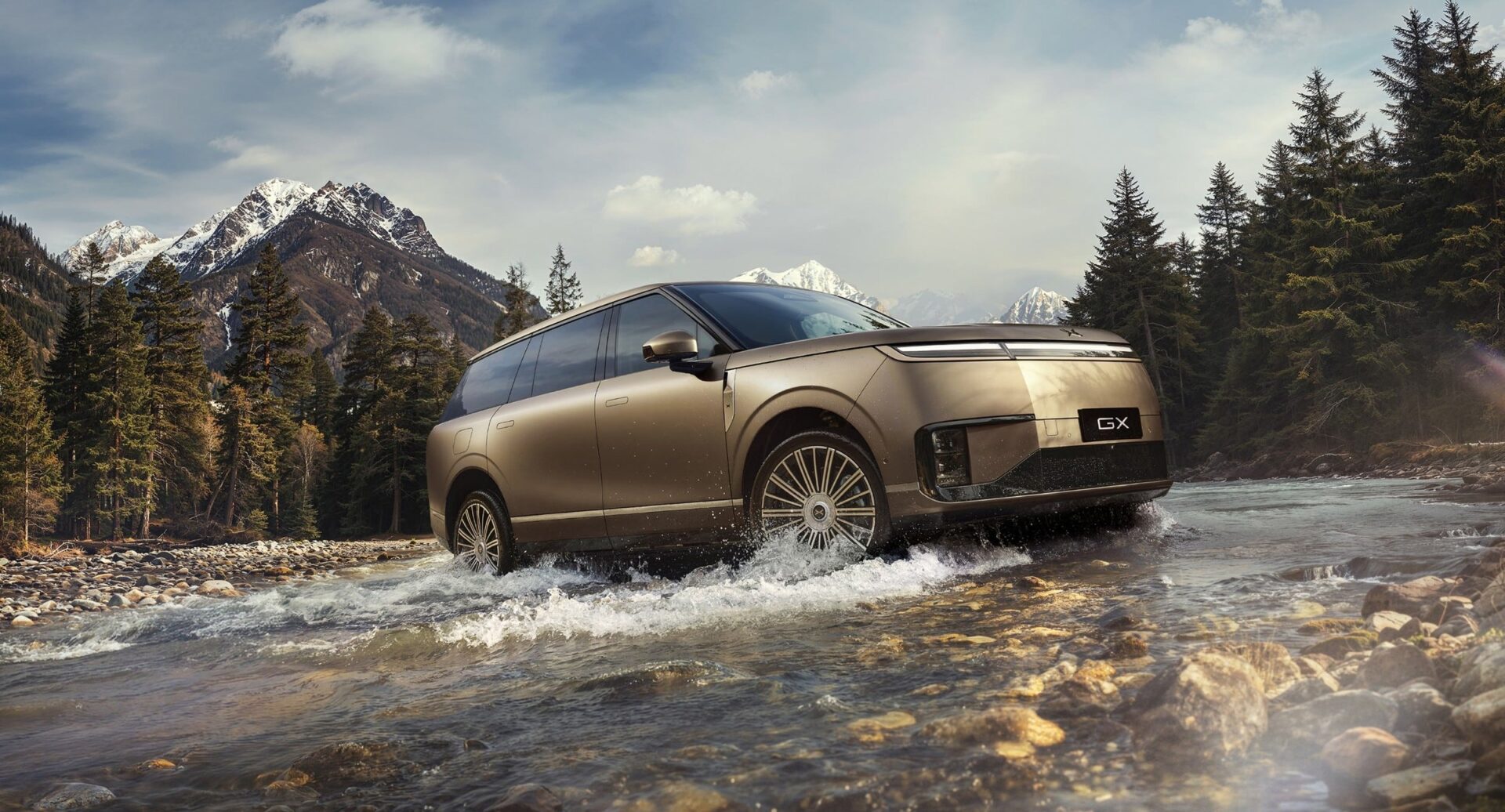
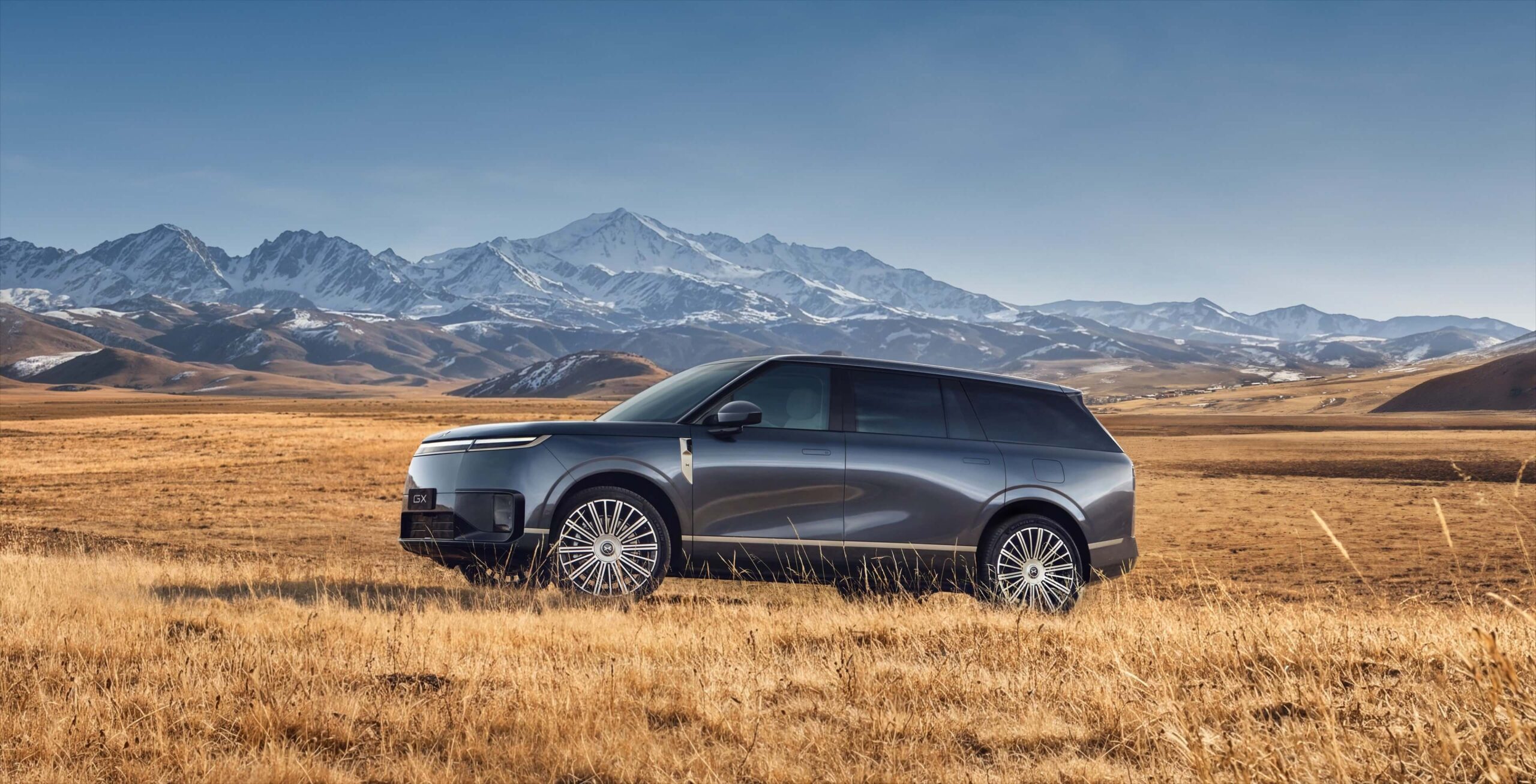
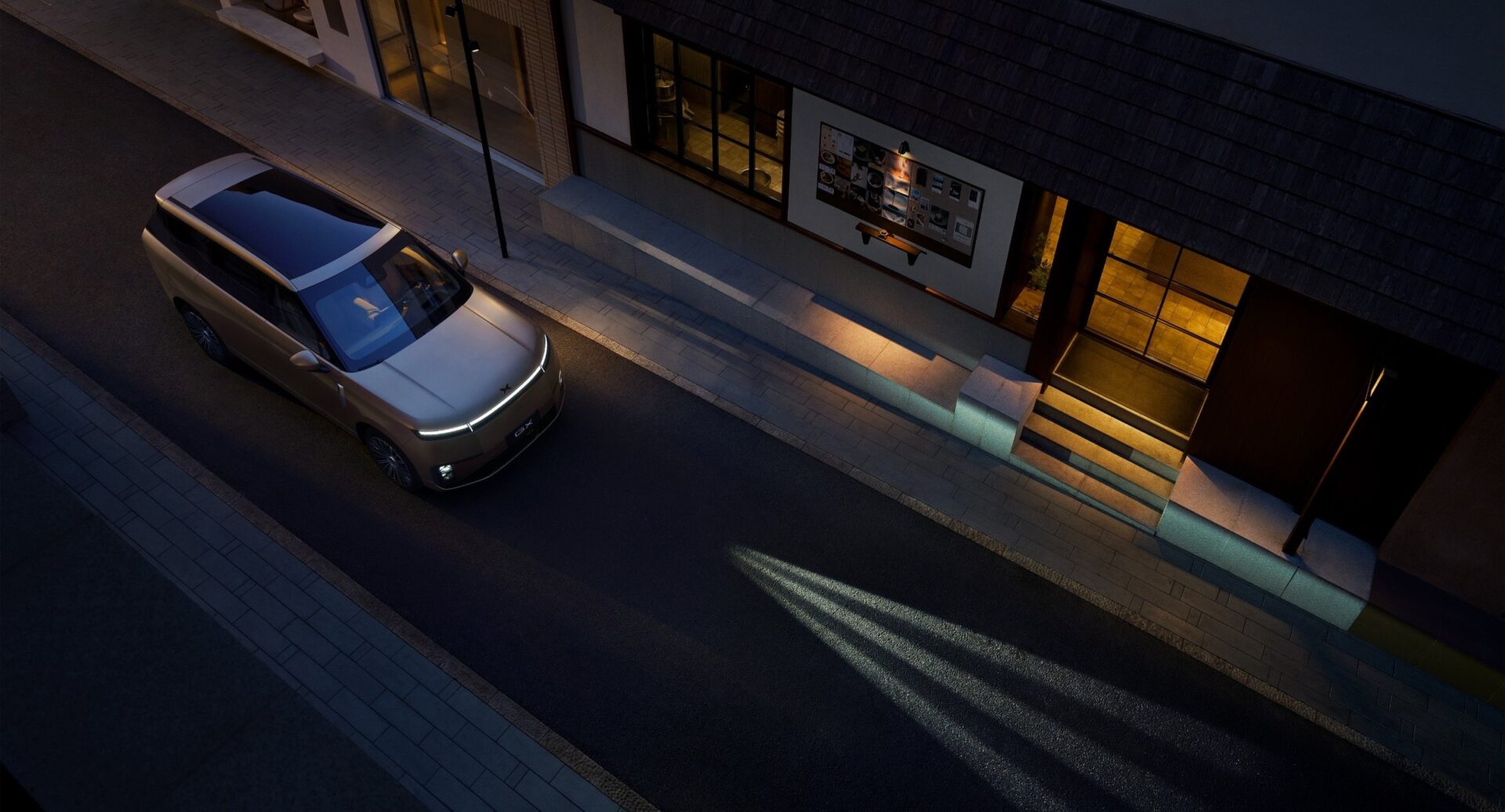
XPENG GX is XPENG’s full-size flagship SUV for the Chinese market (plus UAE and Australia). Launched 20 May 2026 in battery-electric and extended-range form. It sits a size class above the European G9 - and is not sold in Europe. See the Lineup hub for European models on the site.
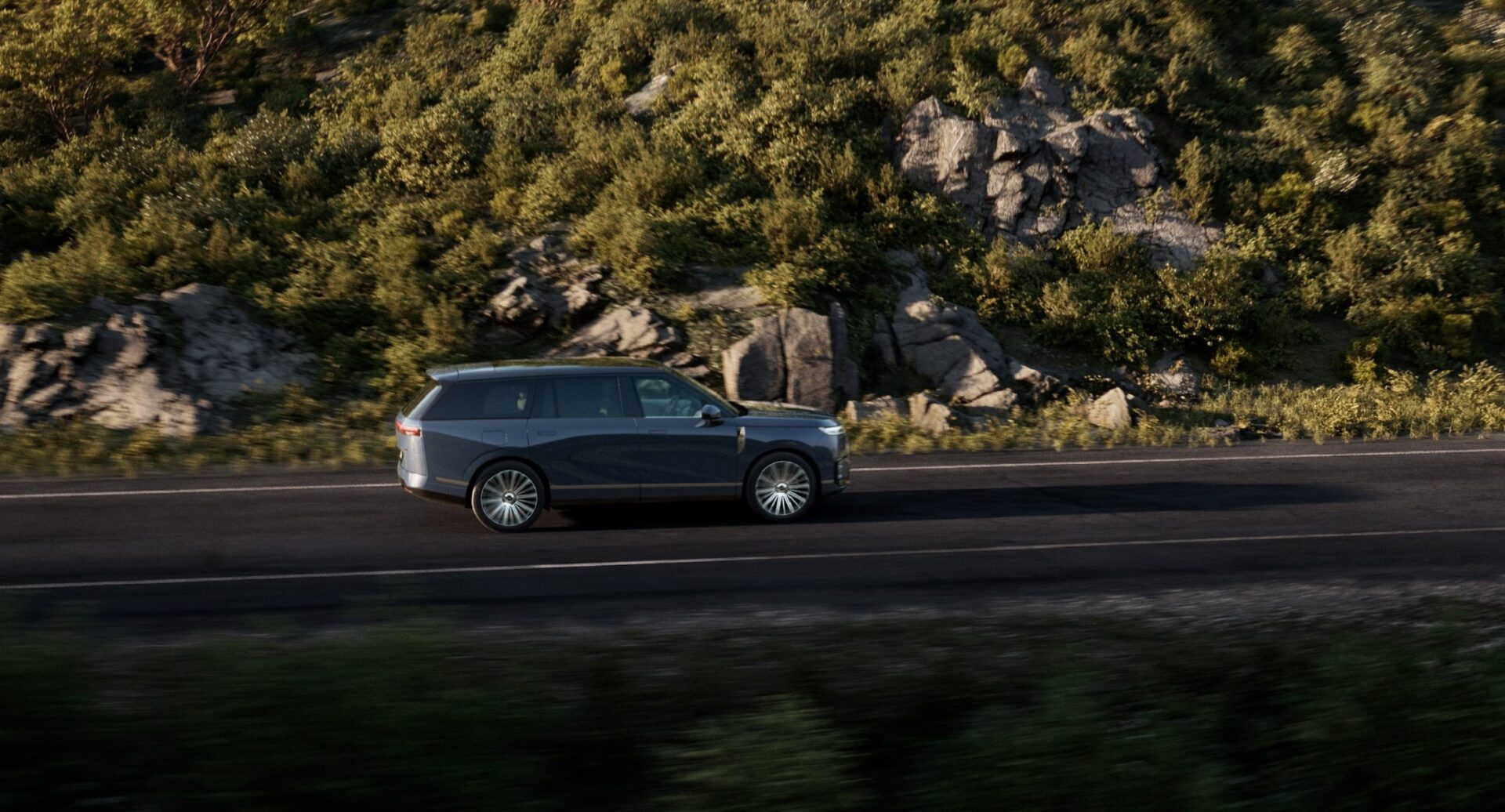
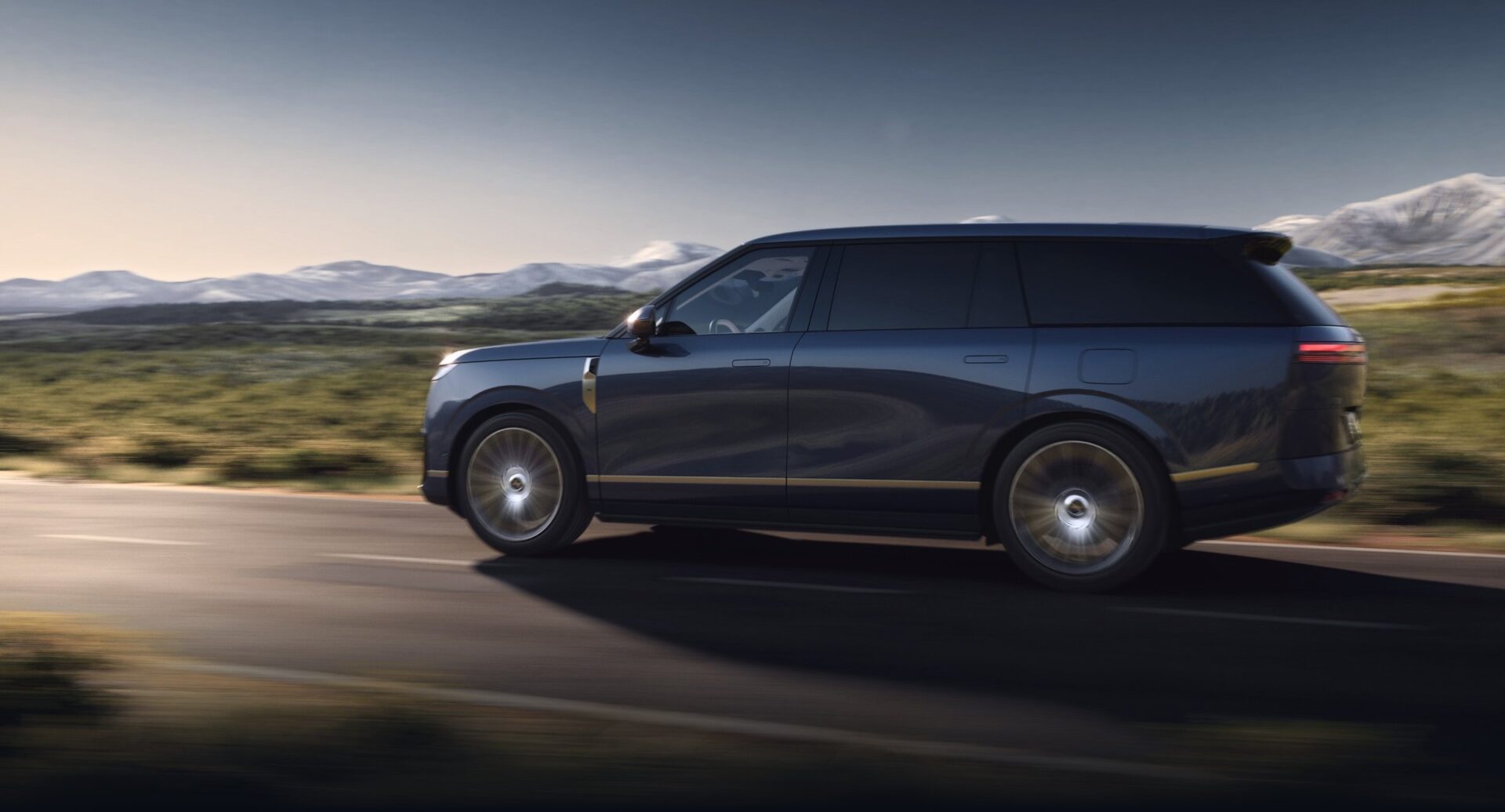
Images: XPENG
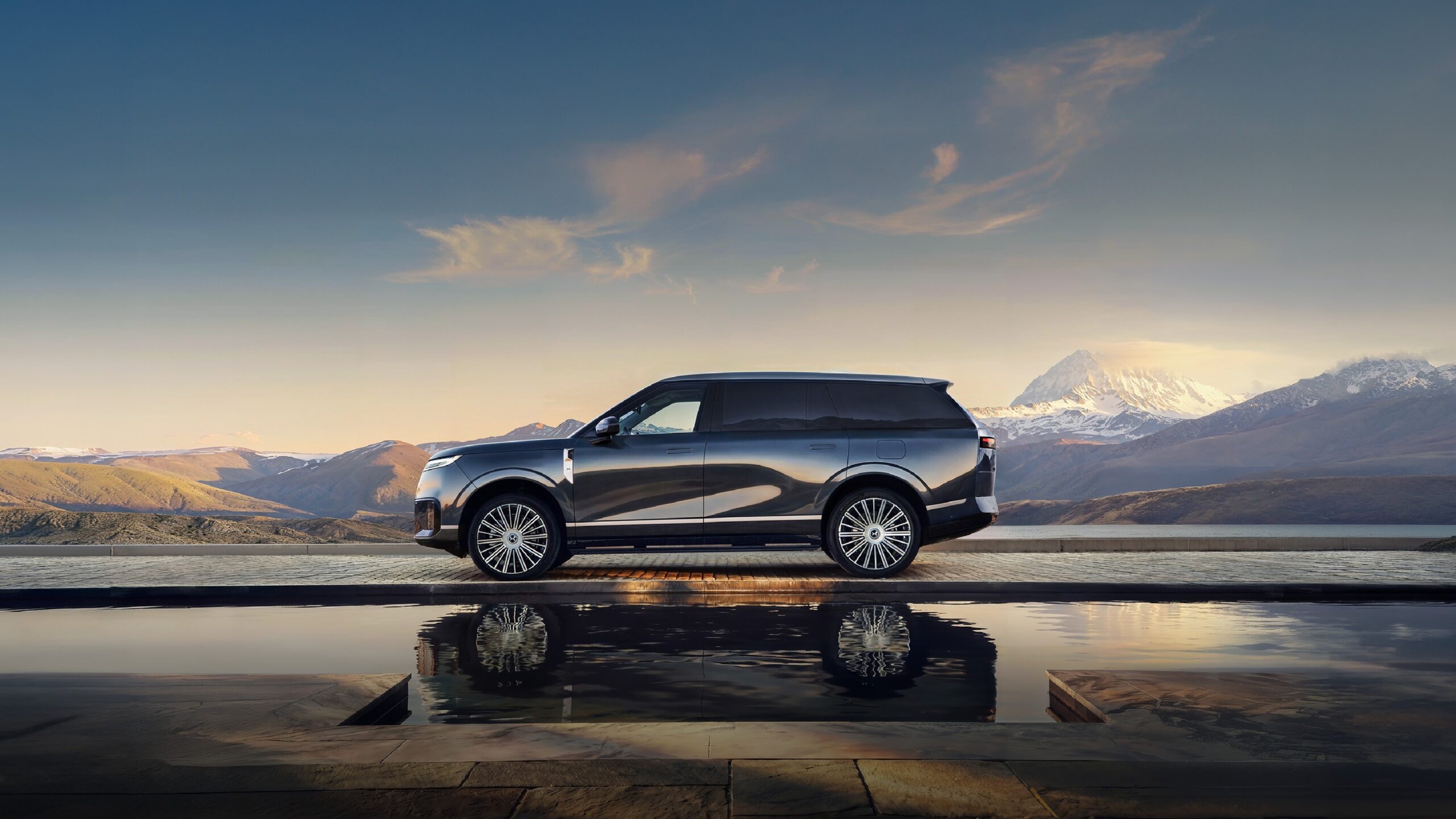
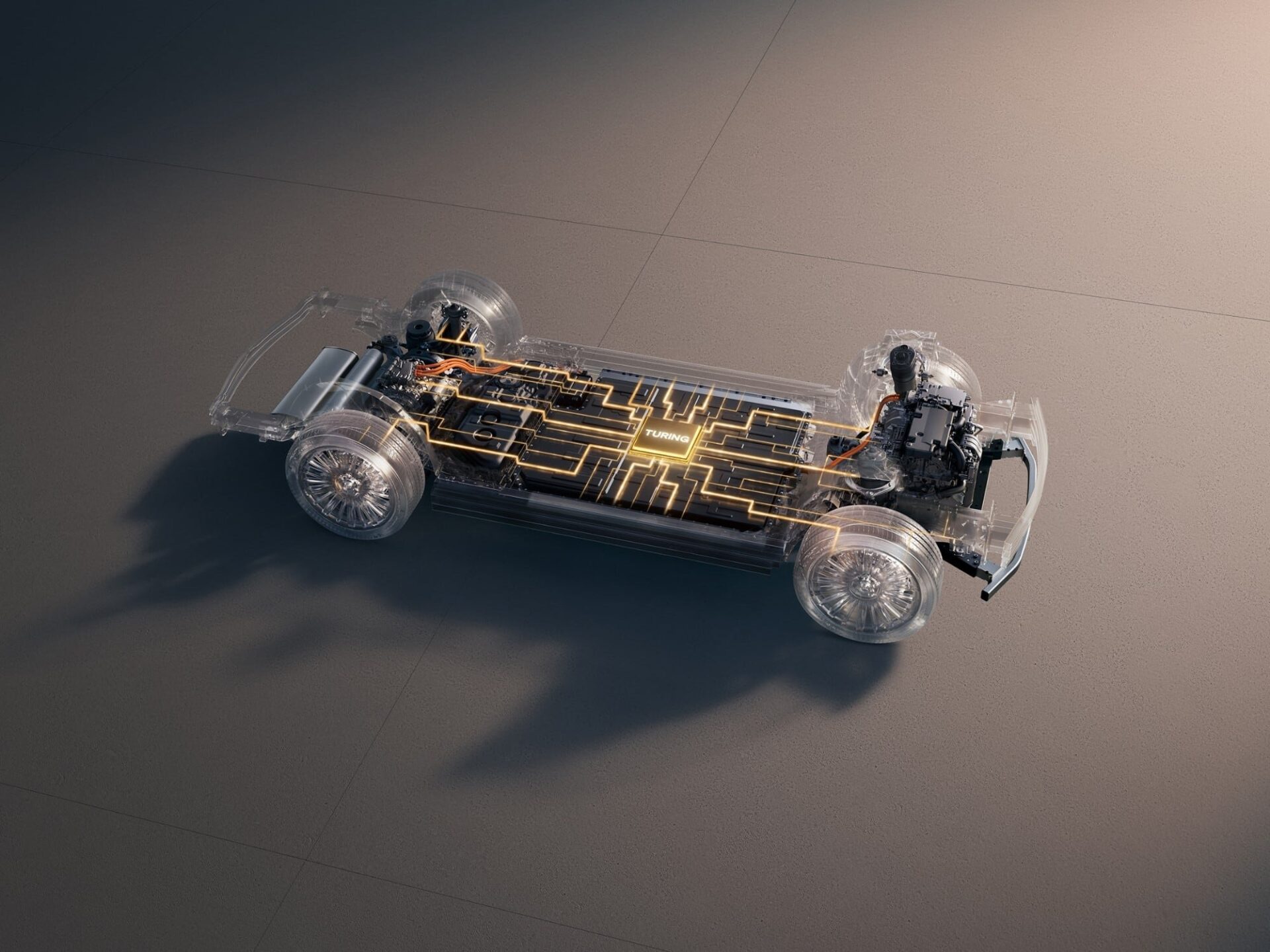
Why the GX matters in Europe. The car is not coming here, but it is the first model on SEPA 3.0 and shows the top of that architecture: 800 V with 5C charging, three-chip Turing compute and XPENG’s new EREV powertrain. XPENG has described the European L03 as based on the same architecture, but on 400 V and 3C, and in the large-SUV class G9L (G02) is expected with deliveries from late 2026 - a different, smaller car than the GX. All eight GX trims are in Compare specs.
Prices are Chinese list prices (指导价) and apply to China only.
Jump to: GX vs. G9L · Trims & prices · Dimensions · Chassis · Safety · Cabin · Assisted driving · Markets · Europe · Configurator · Gallery · Sources
G01 vs. G02 - GX and G9L
Early online coverage regularly mixed up two projects. In short: G01 = GX and G02 = G9L. They are filed separately with MIIT, and the differences are clear-cut:
| XPENG GX (G01) | XPENG G9L (G02) | |
|---|---|---|
| Length | 5,265 mm | 5,120 mm |
| Wheelbase | 3,115 mm | 3,100 mm |
| Seats | 6 (2+2+2) | 5 (2+3) in MIIT filing · 6 and 7 in Europe |
| MIIT batch | 404 (March 2026) | 407 (May 2026) |
| Role | China flagship | Between G9 and GX · Europe-relevant |
Figures from the filings: MIIT batch 404 (GX) and batch 407 (G9L). G9L is the Europe-bound large SUV in the same class, with deliveries expected from late 2026; it gets its own page closer to launch.
The MIIT filing for batch 407 lists the G9L as a five-seater (2+3) - one homologation variant, which early coverage often treated as the whole line-up. For Europe, XPENG has indicated six-seat (2+2+2) and seven-seat (2+3+2) versions. Row-level dimensions and equipment for those layouts are not yet published in a European specification document.
Trims, prices and key specs
Eight trims: four battery-electric and four extended-range. Prices are official Chinese list prices (指导价) from XPENG’s specifications table. Range and consumption are China CLTC - not WLTP, and CLTC cannot be converted to WLTP reliably.
Battery electric (BEV)
| Trim | From | Drive | Battery | CLTC | Power | 0-100 | Compute |
|---|---|---|---|---|---|---|---|
| 665 Max | ¥279,800 (~€36,300) | RWD | 91.9 kWh LFP | 665 km | 270 kW | 6.97 s | 1× Turing · 750 TOPS |
| 665 Ultra SE | ¥299,800 (~€38,900) | RWD | 91.9 kWh LFP | 665 km | 270 kW | 6.97 s | 2× · 1,500 TOPS |
| 665 Ultra | ¥319,800 (~€41,500) | RWD | 91.9 kWh LFP | 665 km | 270 kW | 6.97 s | 3× · 2,250 TOPS |
| 750 Ultra flagship | ¥359,800 (~€46,700) | AWD | 110 kWh NMC | 750 km | 430 kW (160+270) | 4.7 s | 3× · 2,250 TOPS |
Consumption 15.2 kWh/100 km on RWD and 16.3 on AWD. 800 V with 5C charging: 10-80 % in ≥11.7 min in the lab, and roughly 12 minutes adds up to 465 km (RWD) / 525 km (AWD). Frunk 109 L. Audio: 23 speakers on Max, 33 from Ultra SE up. Steer-by-wire on the Ultra flagship only.
Extended-range (EREV)
| Trim | From | Battery | CLTC combined | CLTC EV | Power | 0-100 | Compute |
|---|---|---|---|---|---|---|---|
| 1585 Max AWD | ¥289,800 (~€37,600) | 63.3 kWh LFP | 1,585 km | 430 km | 370 kW (160+210) | 4.98 s | 1× Turing · 750 TOPS |
| 1585 Ultra SE AWD | ¥309,800 (~€40,200) | 63.3 kWh LFP | 1,585 km | 430 km | 370 kW (160+210) | 4.98 s | 2× · 1,500 TOPS |
| 1585 Ultra AWD | ¥329,800 (~€42,800) | 63.3 kWh LFP | 1,585 km | 430 km | 370 kW (160+210) | 4.98 s | 3× · 2,250 TOPS |
| 1585 Ultra flagship AWD | ¥359,800 (~€46,700) | 63.3 kWh LFP | 1,585 km | 430 km | 370 kW (160+210) | 4.98 s | 3× · 2,250 TOPS |
All EREV trims are all-wheel drive. 1.5-litre range extender · 60 L tank (92 octane+) · system torque 695 N·m · 16.8 kWh/100 km · WLTC charge-sustaining fuel use 6.19 L/100 km (lab). No frunk on EREV. City NGP is not listed on Max - highway NGP is.
Kunpeng EREV: power, quiet, safety
From XPENG’s 新一代鲲鹏超级四驱增程 block (May 2026):
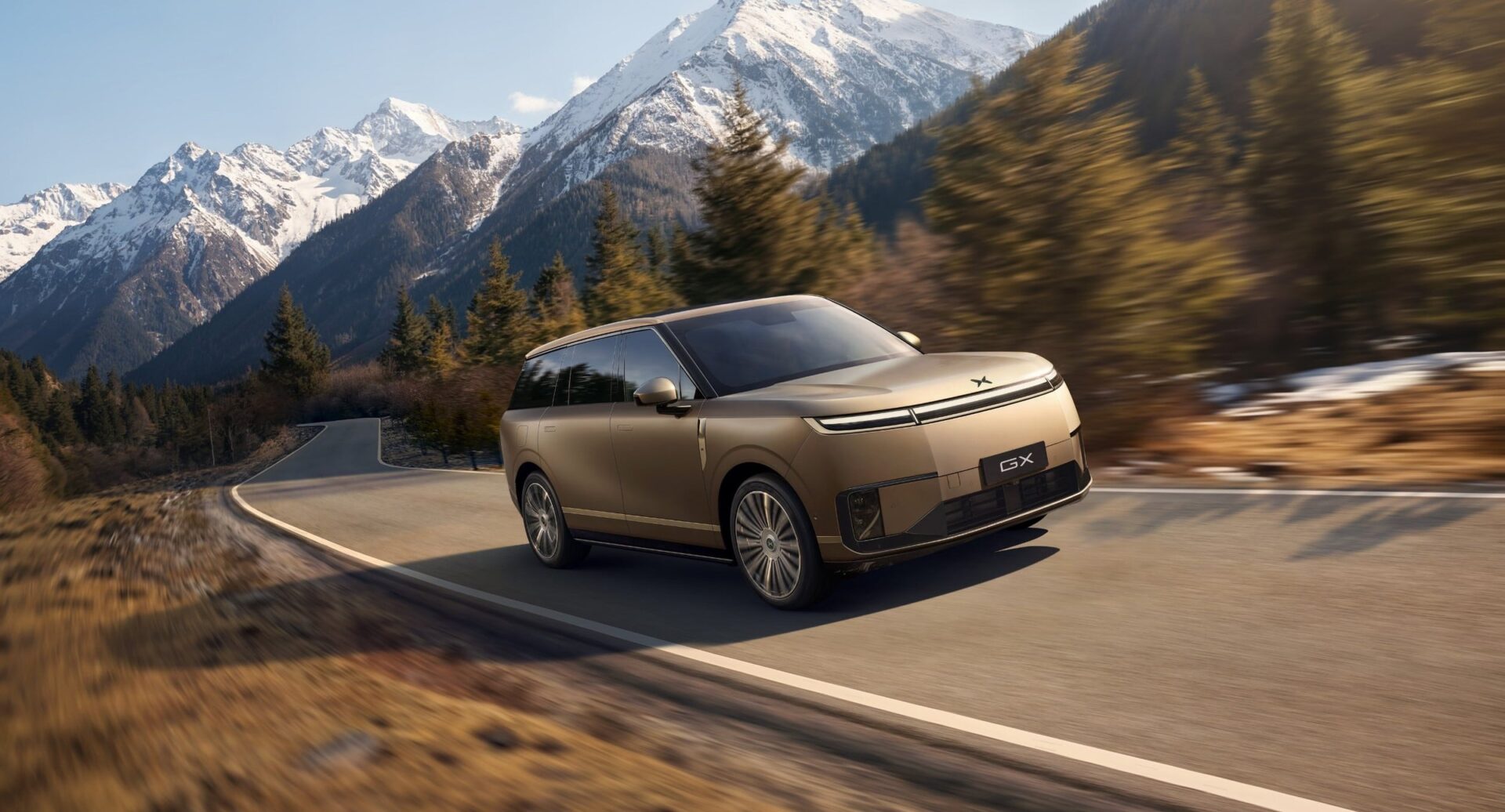
Strong power - 4-second class acceleration; class-leading 465 N·m single-motor torque (XPENG marketing - trim table lists 695 N·m system torque); near-zero performance loss when the battery is depleted.
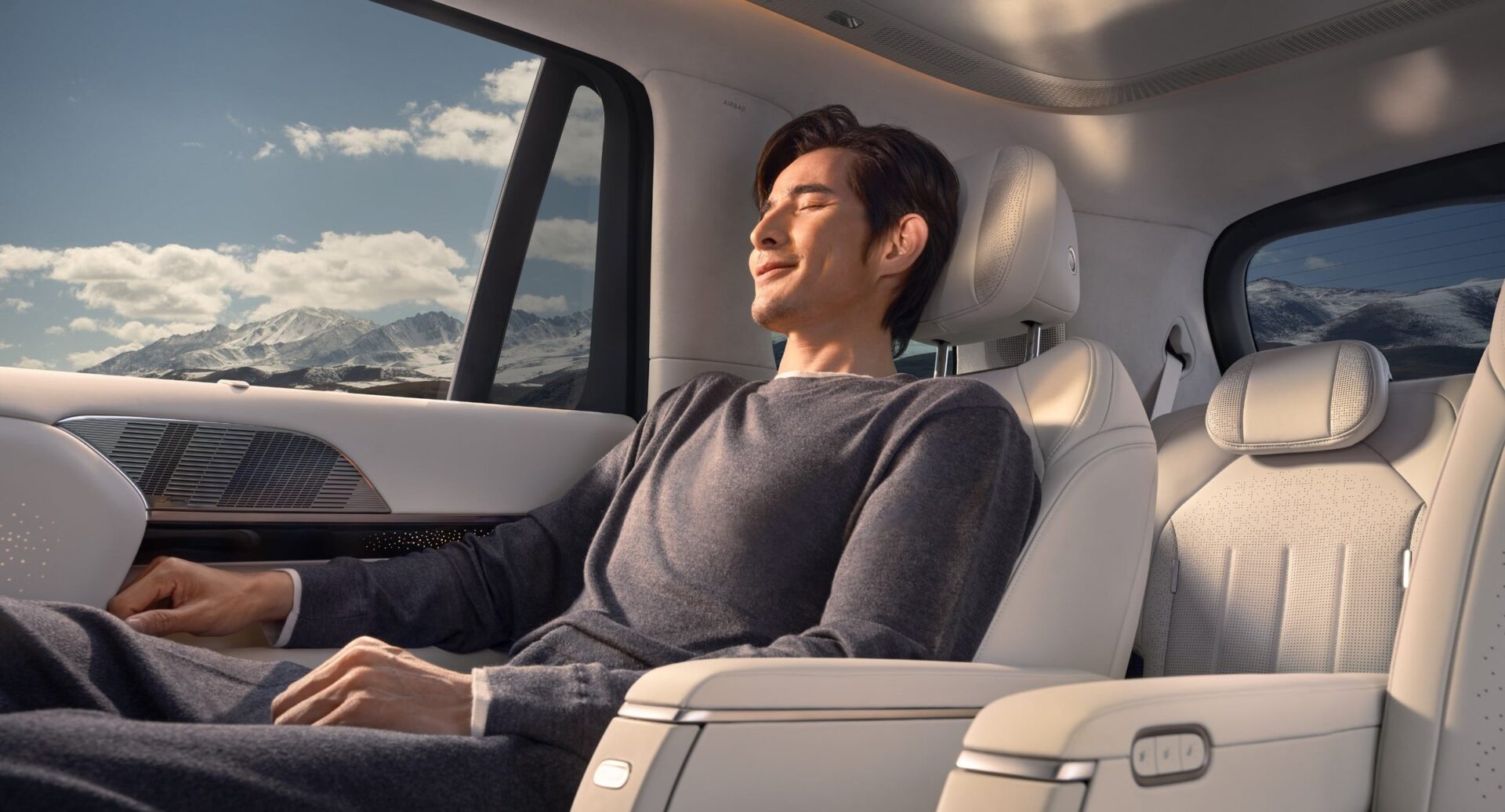
Super quiet - ultra-quiet, barely noticeable range extender and electric-drive design; intelligent RNC system; 360° wind-noise isolation throughout the vehicle.
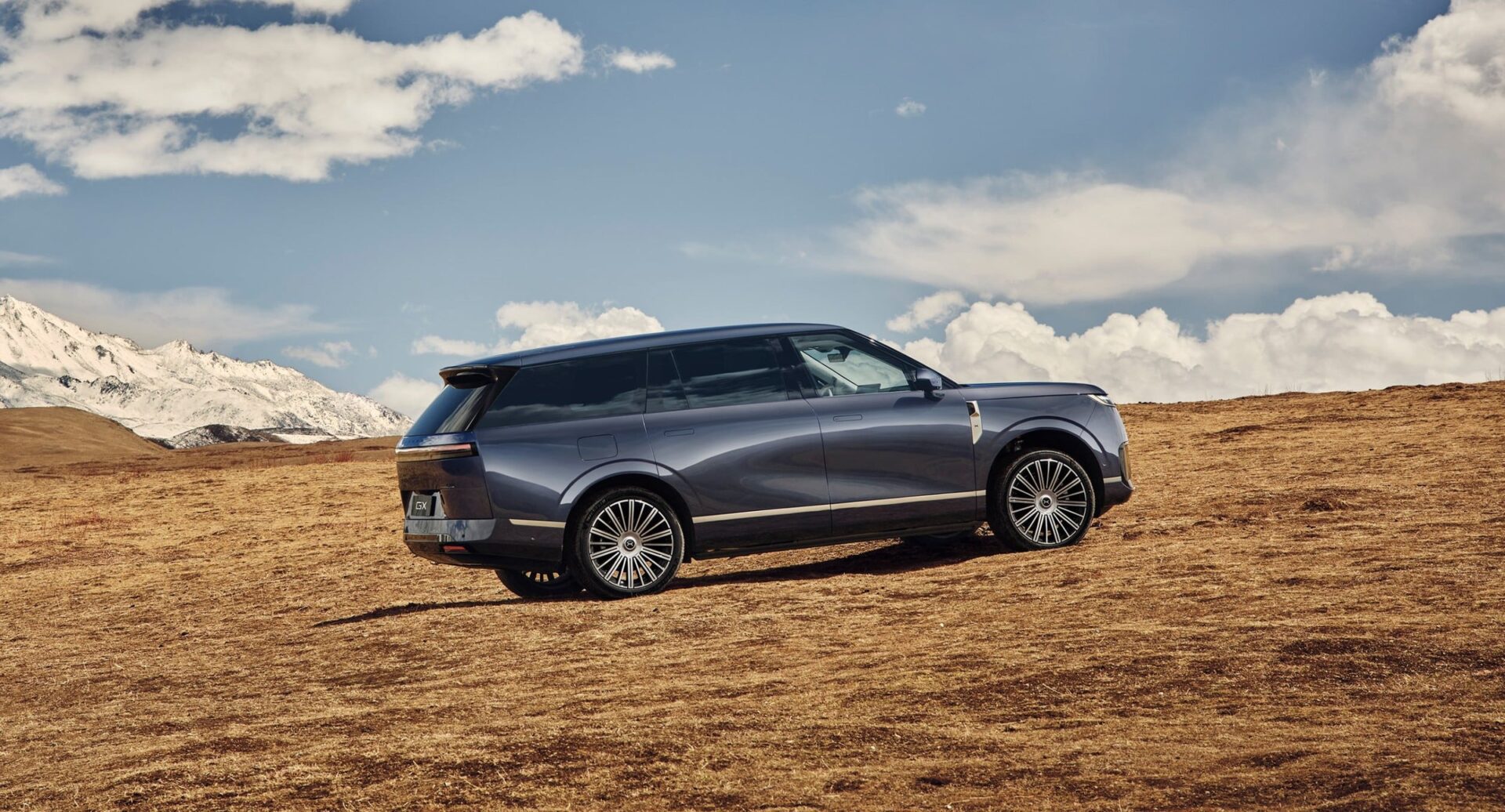
Safe enough - supports intelligent all-scenario obstacle avoidance, power-drive redundancy, and active and passive battery safety.
Euro amounts in brackets are approximate (~€0.1297/¥ · 25 July 2026) and for guidance only. The May 2026 launch campaign used time-limited 权益价 below list price (e.g. ¥269,800 for the BEV Max). The tables show list price, not campaign pricing.
Open up to three trims side by side in Compare specs.
Dimensions and space
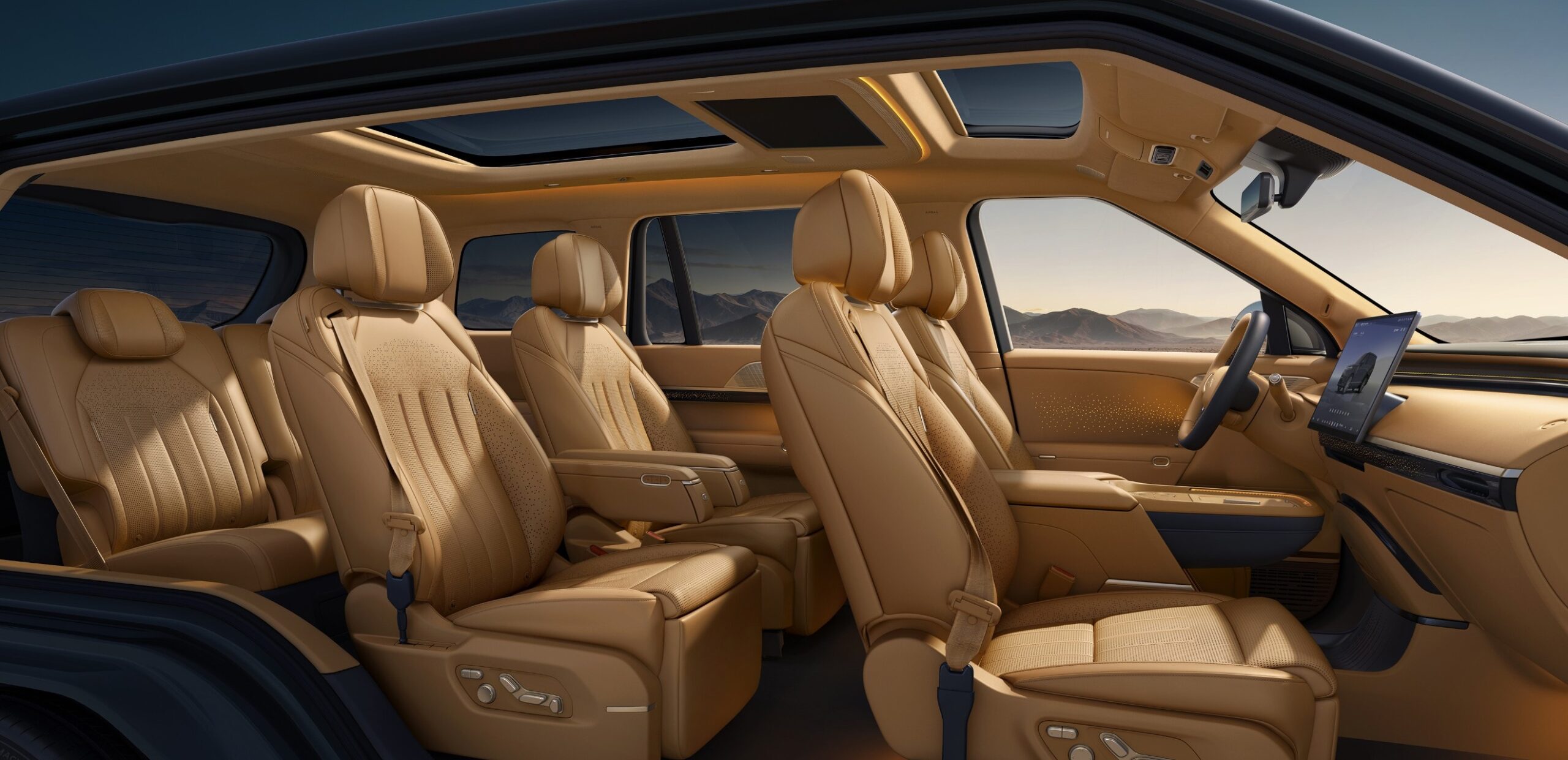
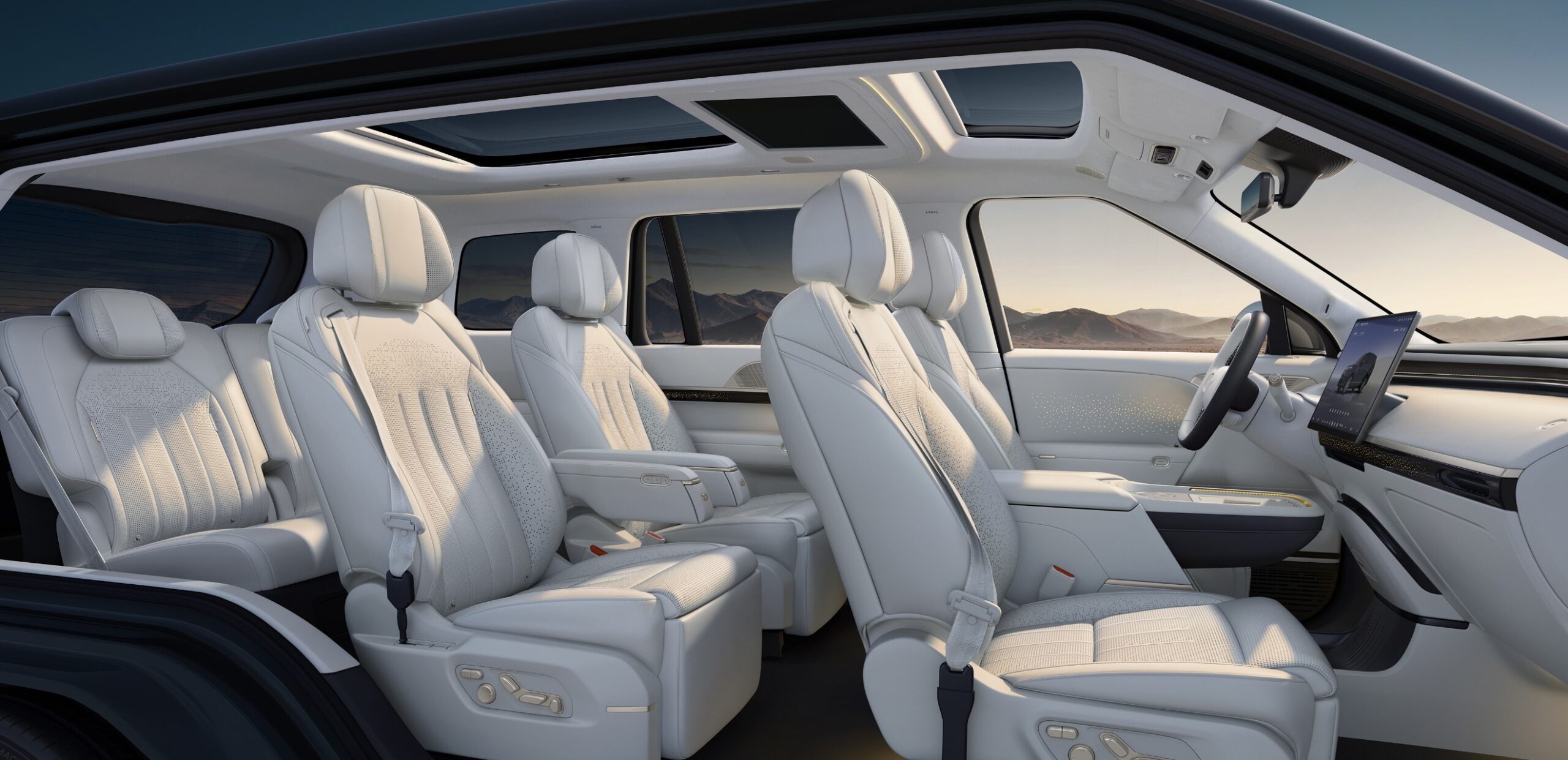
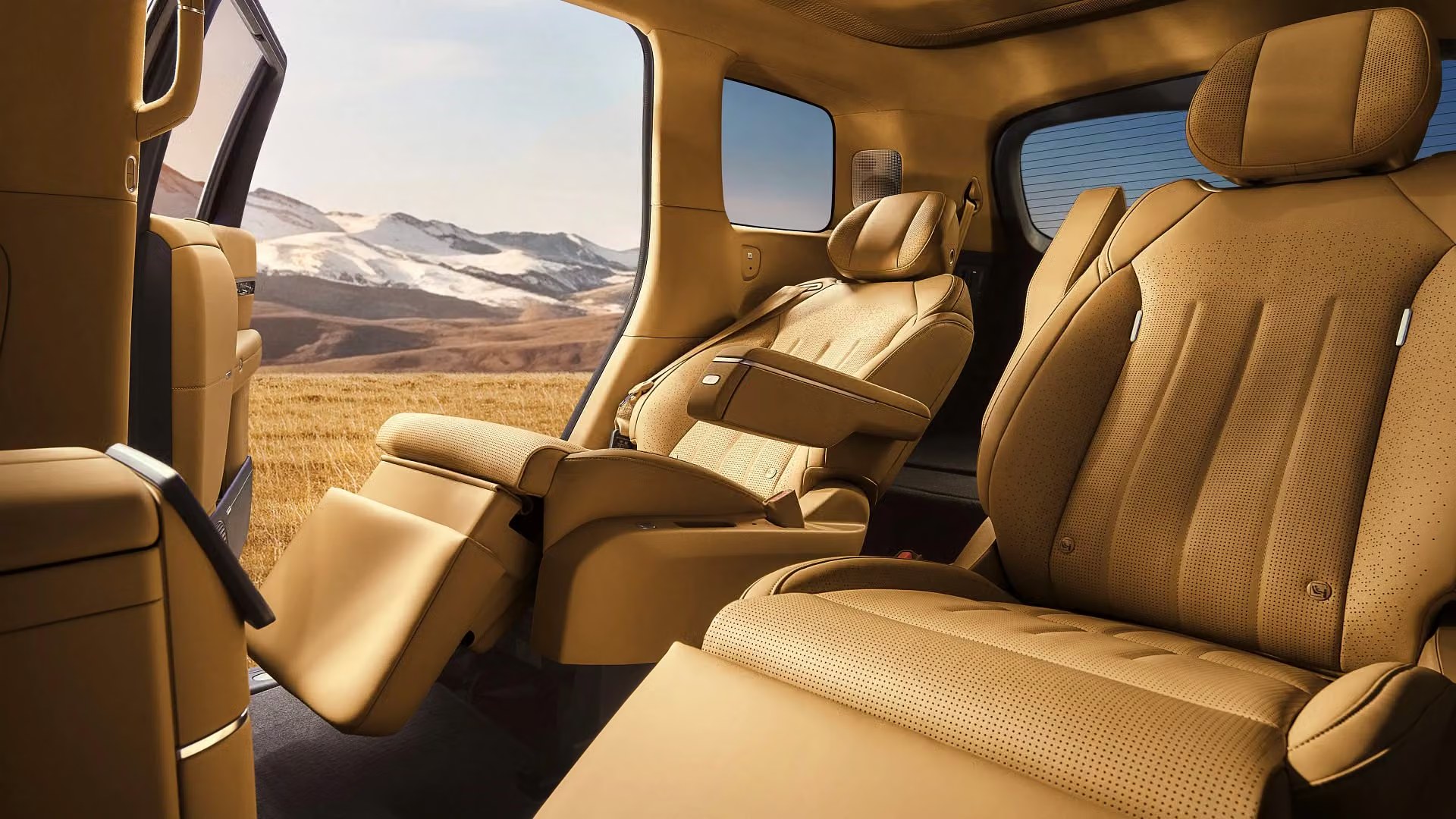
2+2+2: six seats - two up front, second-row captain’s chairs (zero-gravity, heating and ventilation, massage in the marketing material) and two individual third-row seats that fold electrically one at a time (50:50).
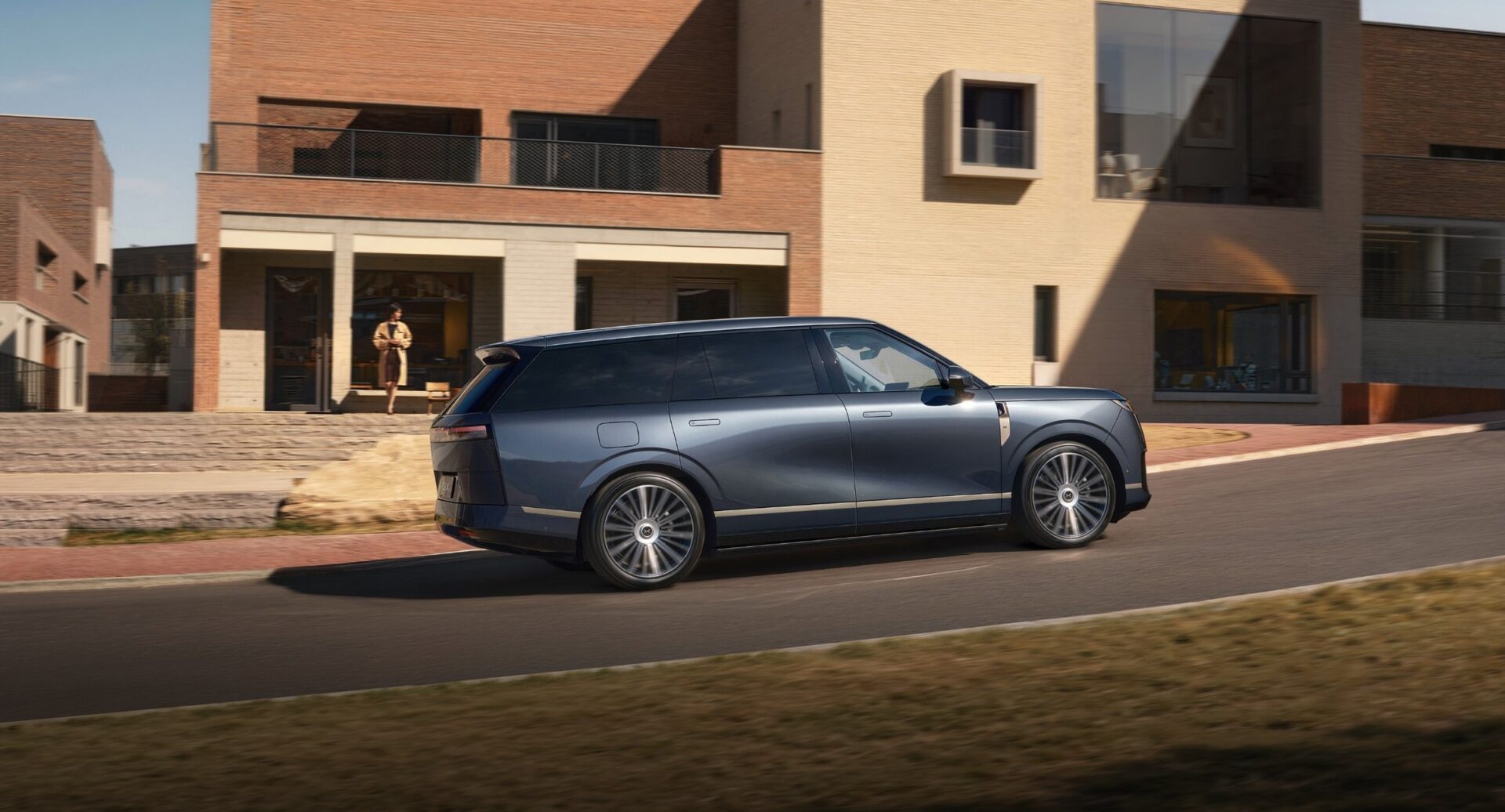
- Length × width × height 5,265 × 1,999 × 1,800 mm
- Wheelbase 3,115 mm
- Seats 6 (2+2+2)
- Boot 673 L with six on board · up to 1,748 L with the third row folded · frunk 109 L (BEV only)
- Panoramic glass roof Fixed panoramic glass roof with electric sunshade (does not open / no traditional sunroof functionality).
- Turning radius 5.4 m with rear-wheel steering · V2L 6 kW
For comparison, the European G9 measures 4,891 mm with a 2,998 mm wheelbase and five seats. The GX is 374 mm longer, has 117 mm more wheelbase - and adds a third row on top.
SEPA 3.0 and chassis
The GX is the first model on SEPA 3.0, XPENG’s so-called “Physical AI” architecture, positioned above the G9. Chassis hardware as XPENG presents it on the official model page:
Two qualifications. The X9 - XPENG’s large MPV, which He Xiaopeng himself cites as the reference for the GX’s space and drivability - is still on SEPA 2.0, including after the 2026 facelift. And the GX was first, but for China only. Whether the L03 is a SEPA 3.0 car, or only based on that architecture, is still open. The GX sits at the top of the architecture’s range with 800 V and 5C, where the L03 runs 400 V and 3C.
- Steer-by-wire up front (Ultra flagship) and rear-wheel steer-by-wire → 5.4 m turning radius
- Brake-by-wire - XPENG claims a 34.4 m 100-0 stop (lab figure; not independently verified)
- AI dual-chamber air suspension, double wishbone front / H-arm rear, six hydraulic bushings
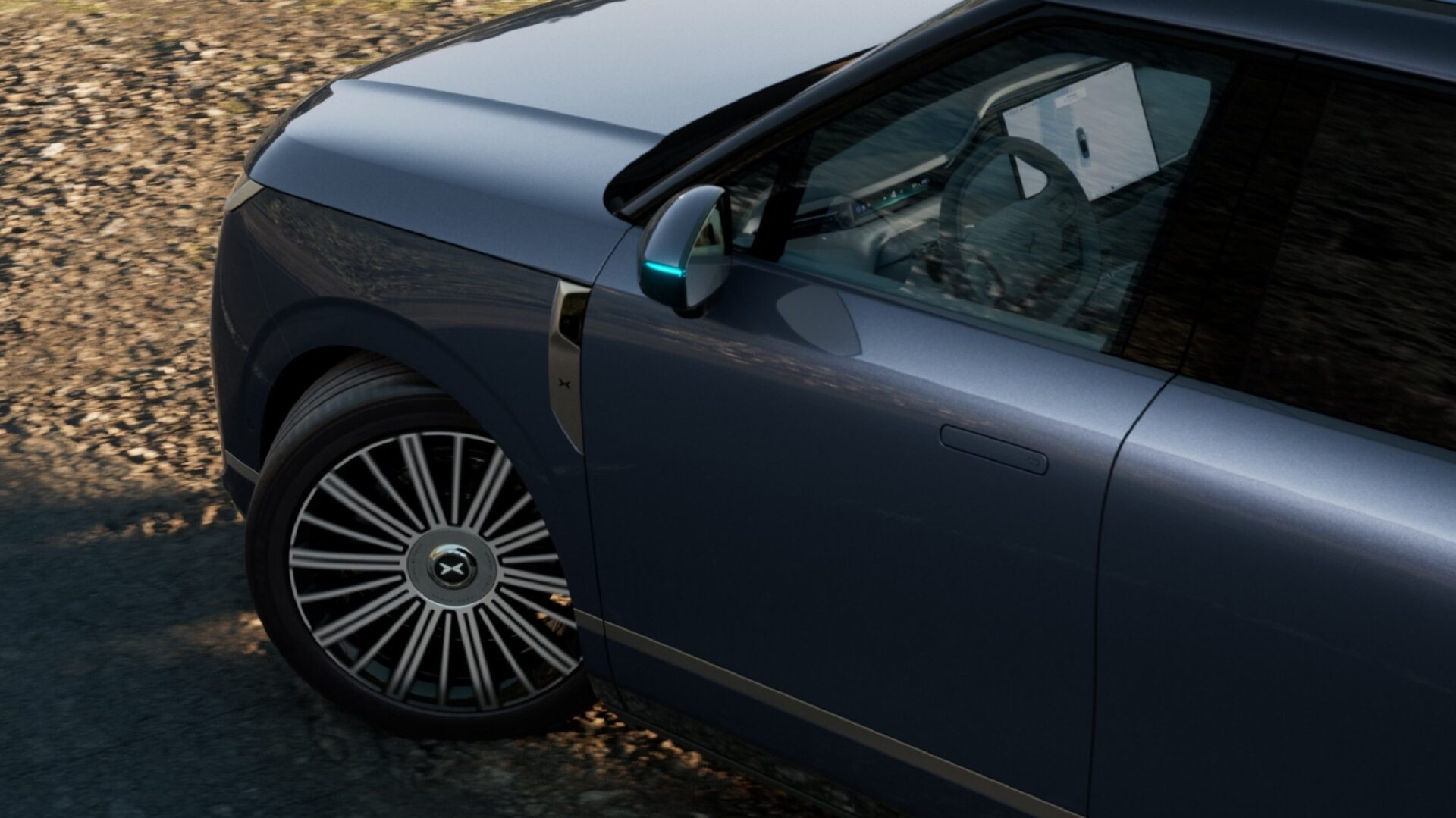
Drive-by-wire front wheel steering - full-speed-range variable steering ratio for greater agility at low speeds and enhanced safety at high speeds; XPENG’s in-house hand-feel simulator algorithm enables adjustable road feedback for comfort or control.
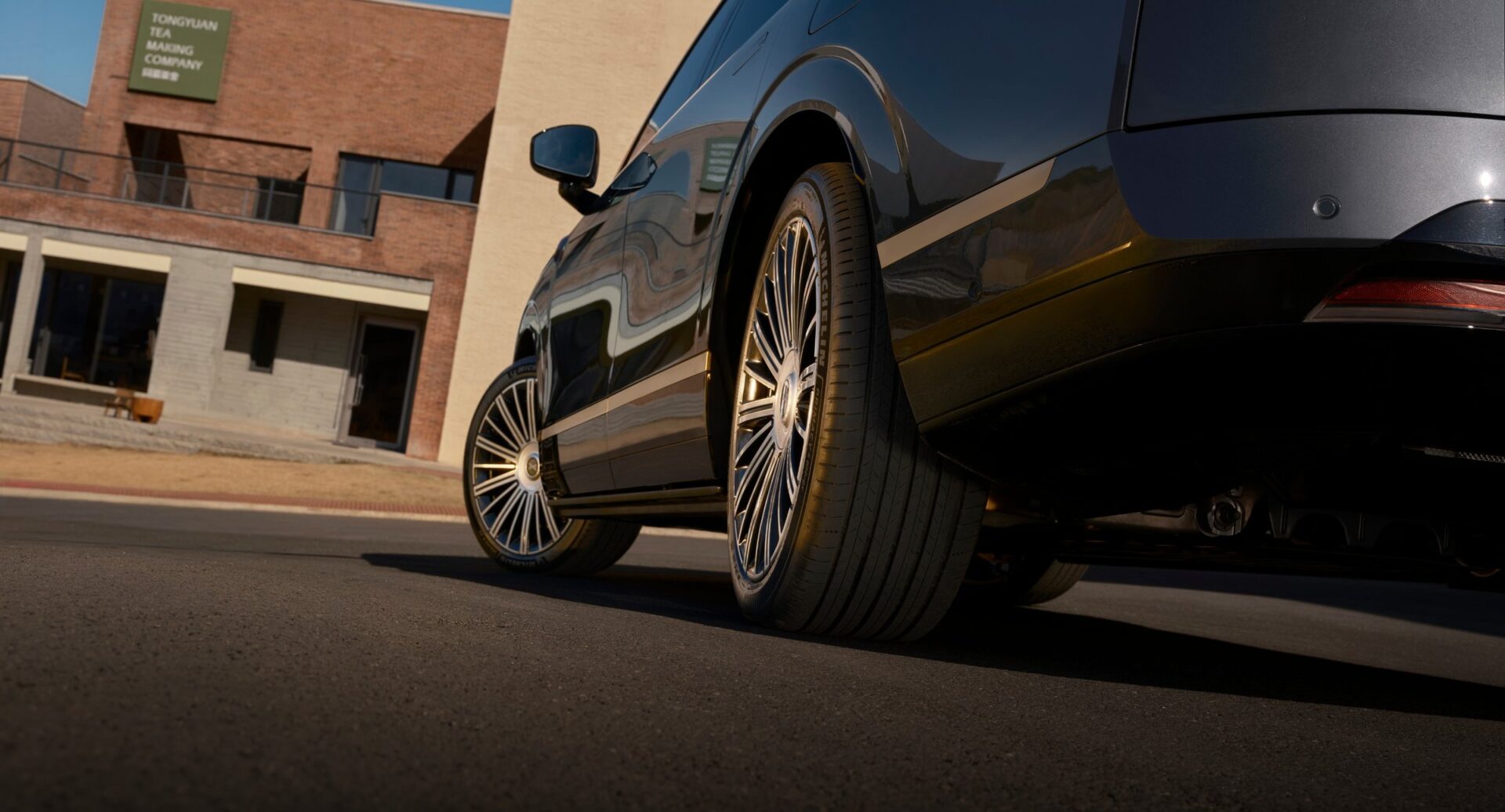
Drive-by-wire rear wheel steering - turning radius as low as 5.4 m; XPENG claims it is more agile than a compact sedan, enabling a smooth U-turn in a two-lane road and flexible handling in narrow scenarios.
Wire-controlled hydraulic brake - class-leading 34.4 m 100 km/h braking distance and millisecond response for greater safety margins and a more stable, composed drive (XPENG lab/marketing).
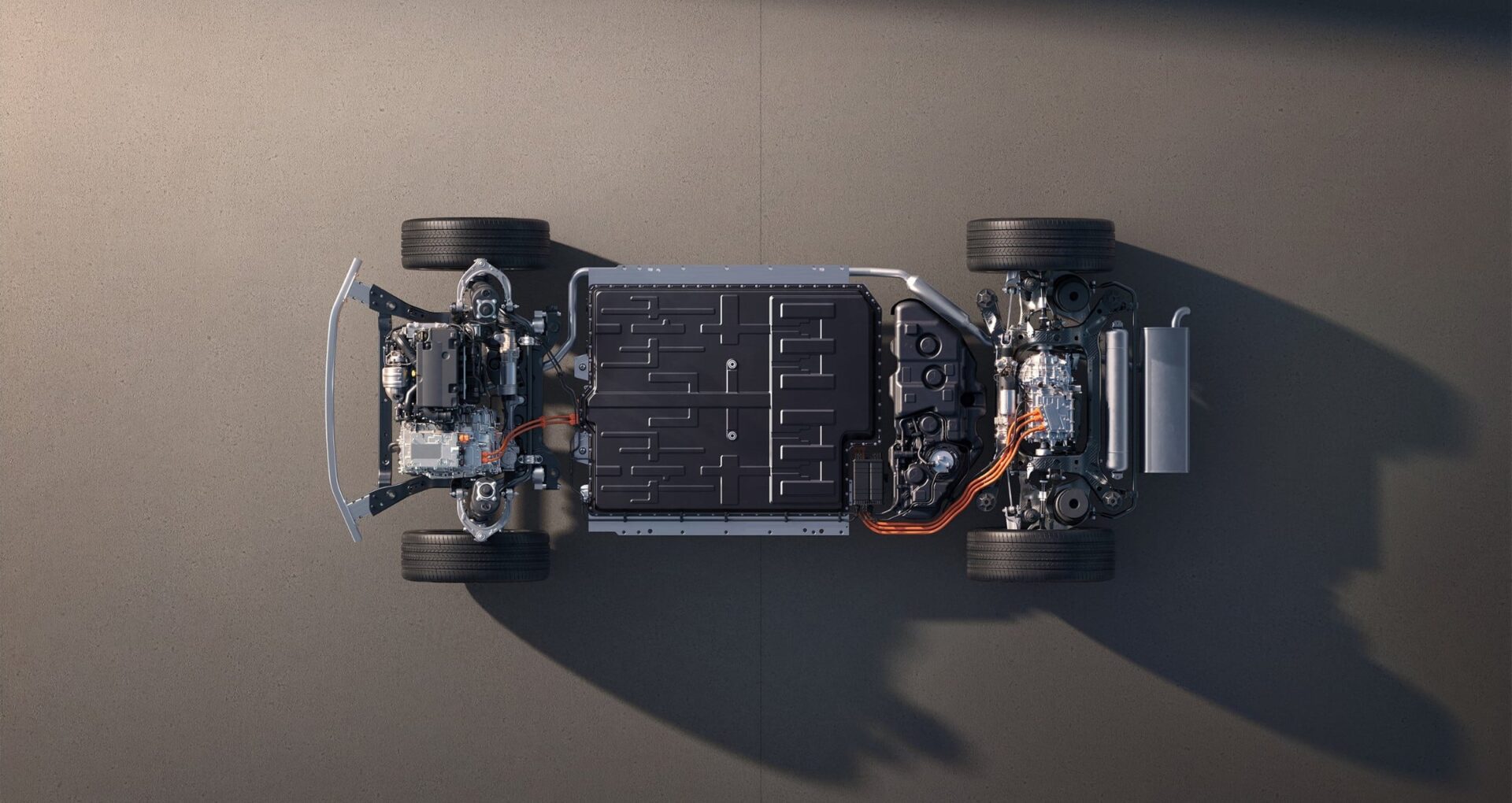
AI Intelligent Suspension - intelligent dual-chamber air suspension, double wishbone front and H-arm rear suspension, and six Taiji hydraulic bushings.
2026 China Top Ten Chassis
The award came in early September 2026, judged after a real-car defence on a test track. Ten cars a year make the list (中国十佳底盘), and XPENG’s six plates for the GX add two things the model page does not spell out: the rear axle is a single nine-in-one assembly carrying the air suspension, the rear steering, the drive unit and the third-row fold mechanism, and the steer-by-wire ratio runs from 0.6 turns lock to lock at parking speed to 1.4 at motorway speed. The rest is the safety list in XPENG’s words - 700 mm wading depth, blowout control at up to 180 km/h, fourfold redundancy on steering, brakes and door unlocking - and the plates sit in the gallery.
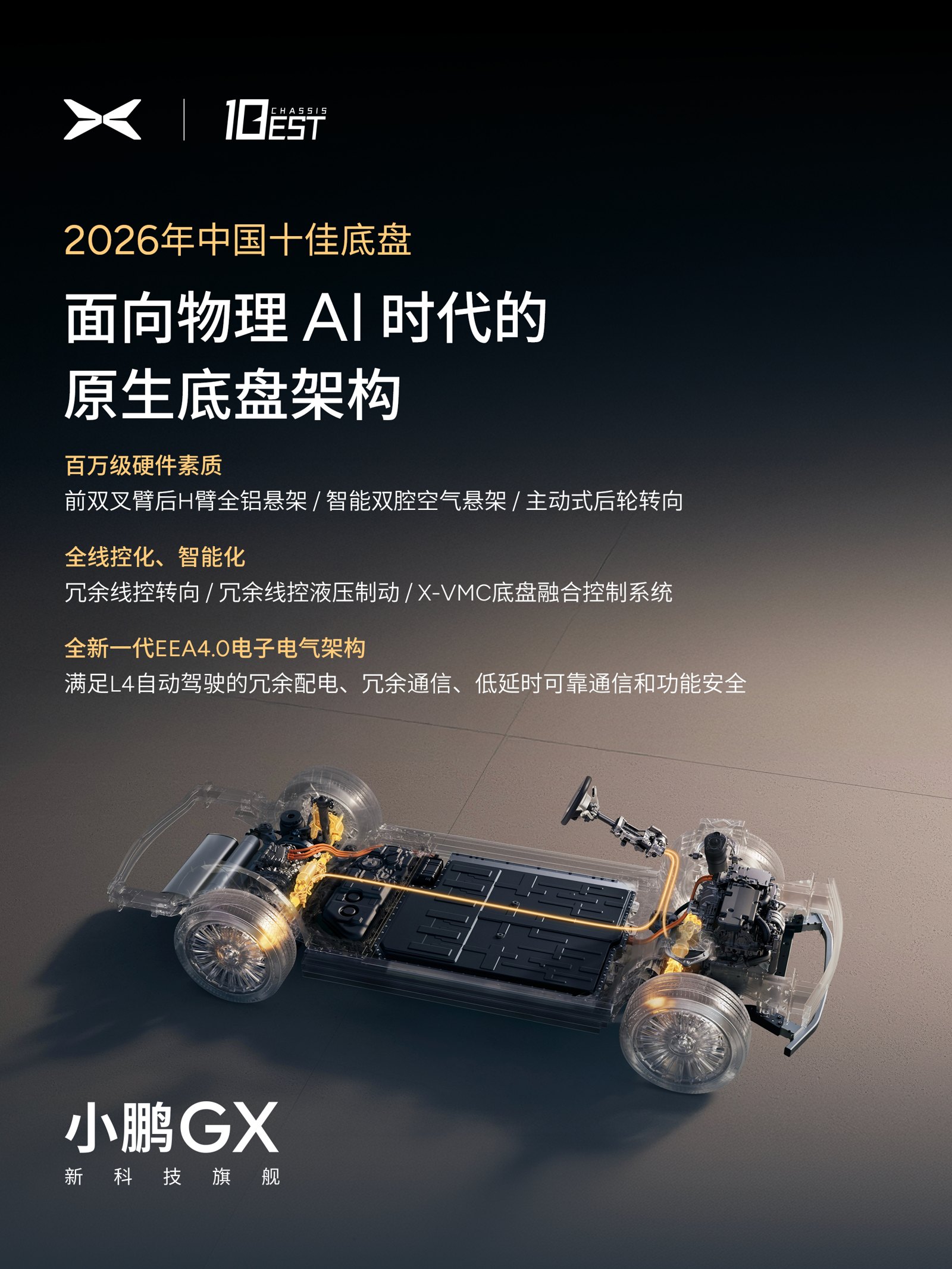
A chassis built for the purpose: aluminium suspension with double wishbones front and an H-arm rear, dual-chamber air springs, active rear steering, redundant steer- and brake-by-wire under X-VMC control, and the EEA 4.0 electrical architecture
Body, safety and redundancy
- Castle-style safety body (XPENG’s term)
- 16,000-tonne front-and-rear one-piece aluminium castings
- 11 airbags
- No Euro NCAP result - the car is not sold in the EU
Passive protection
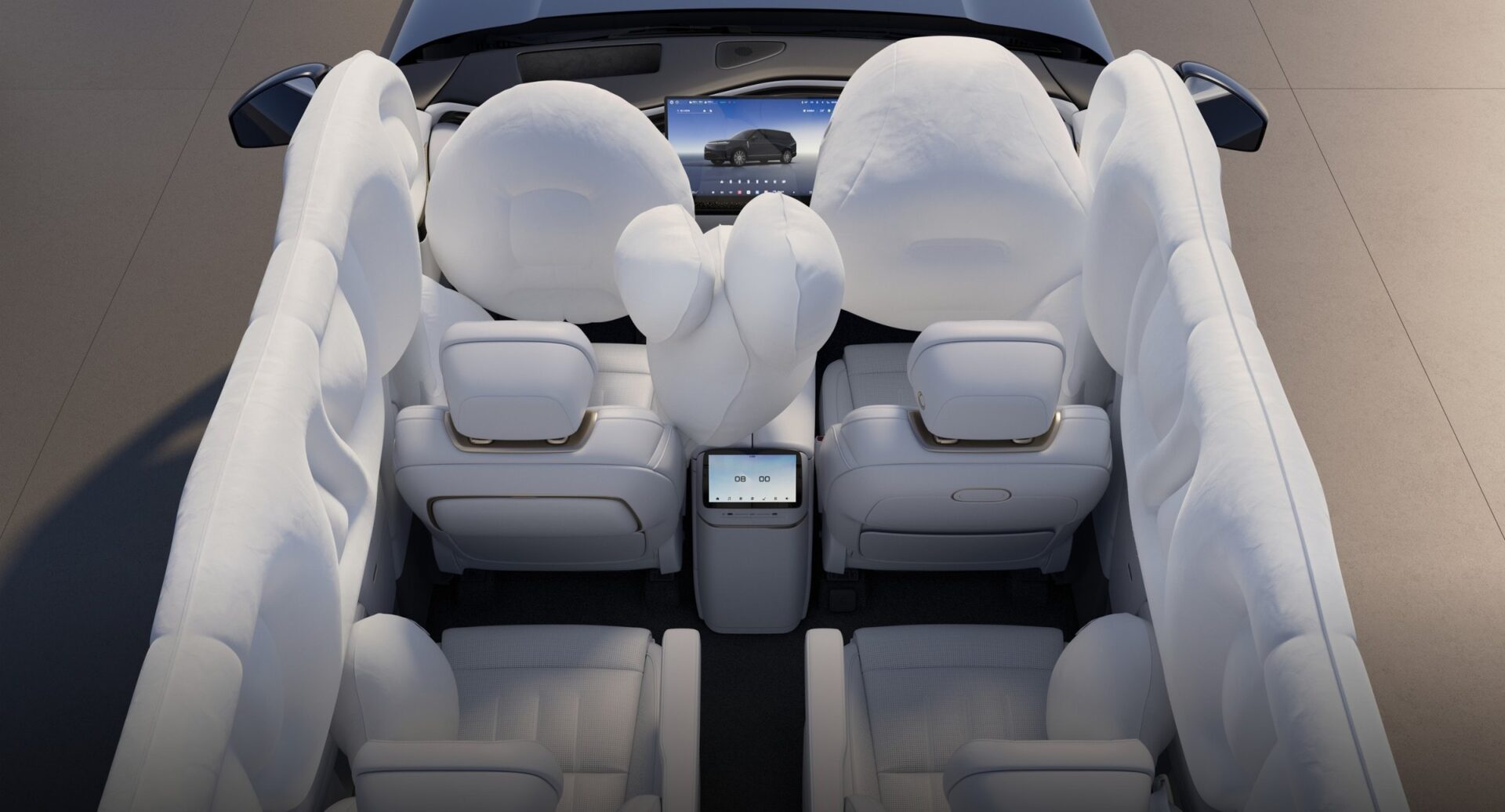
Eleven airbags throughout the cabin.
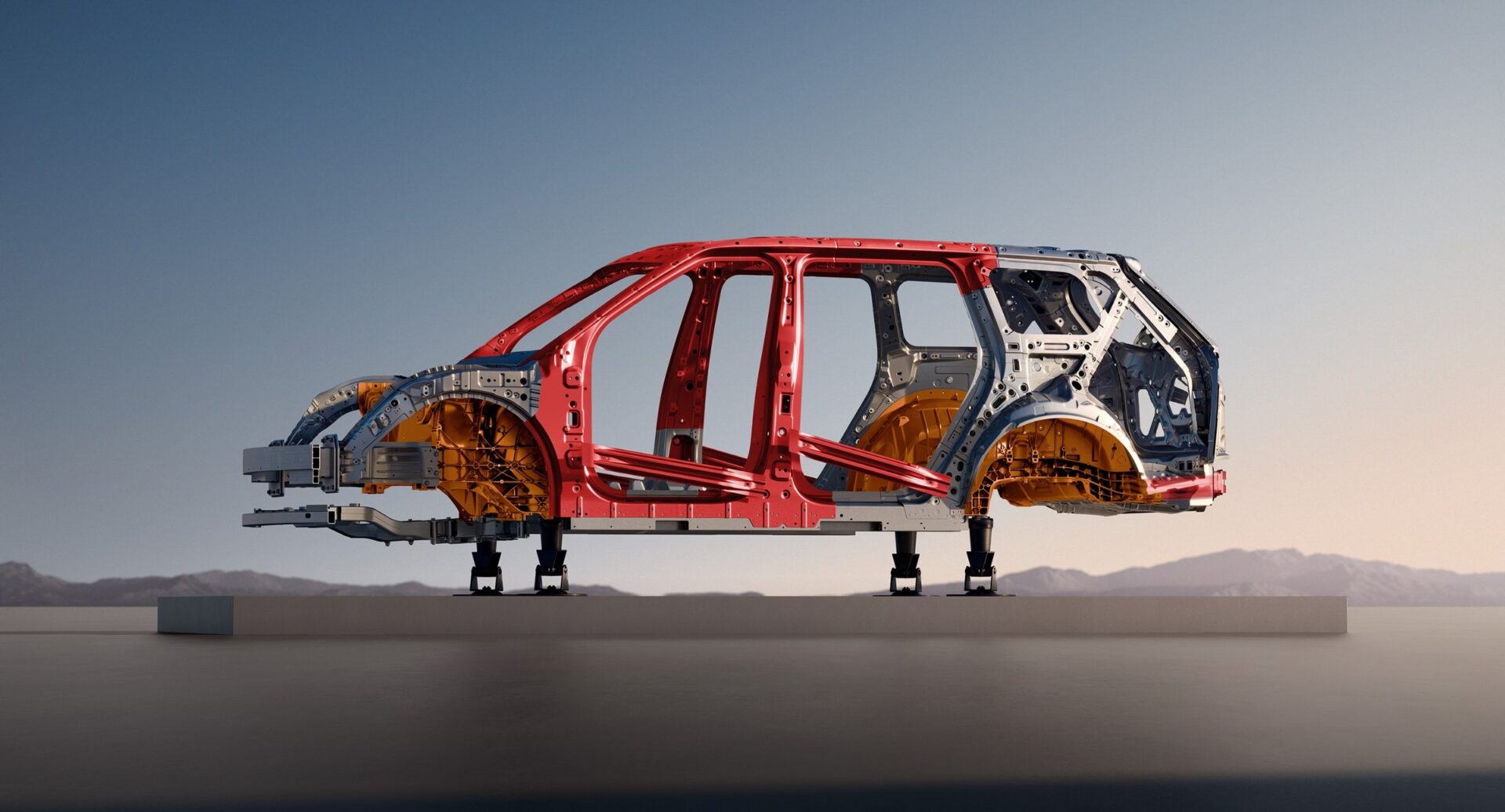
Castle-style safety body structure.
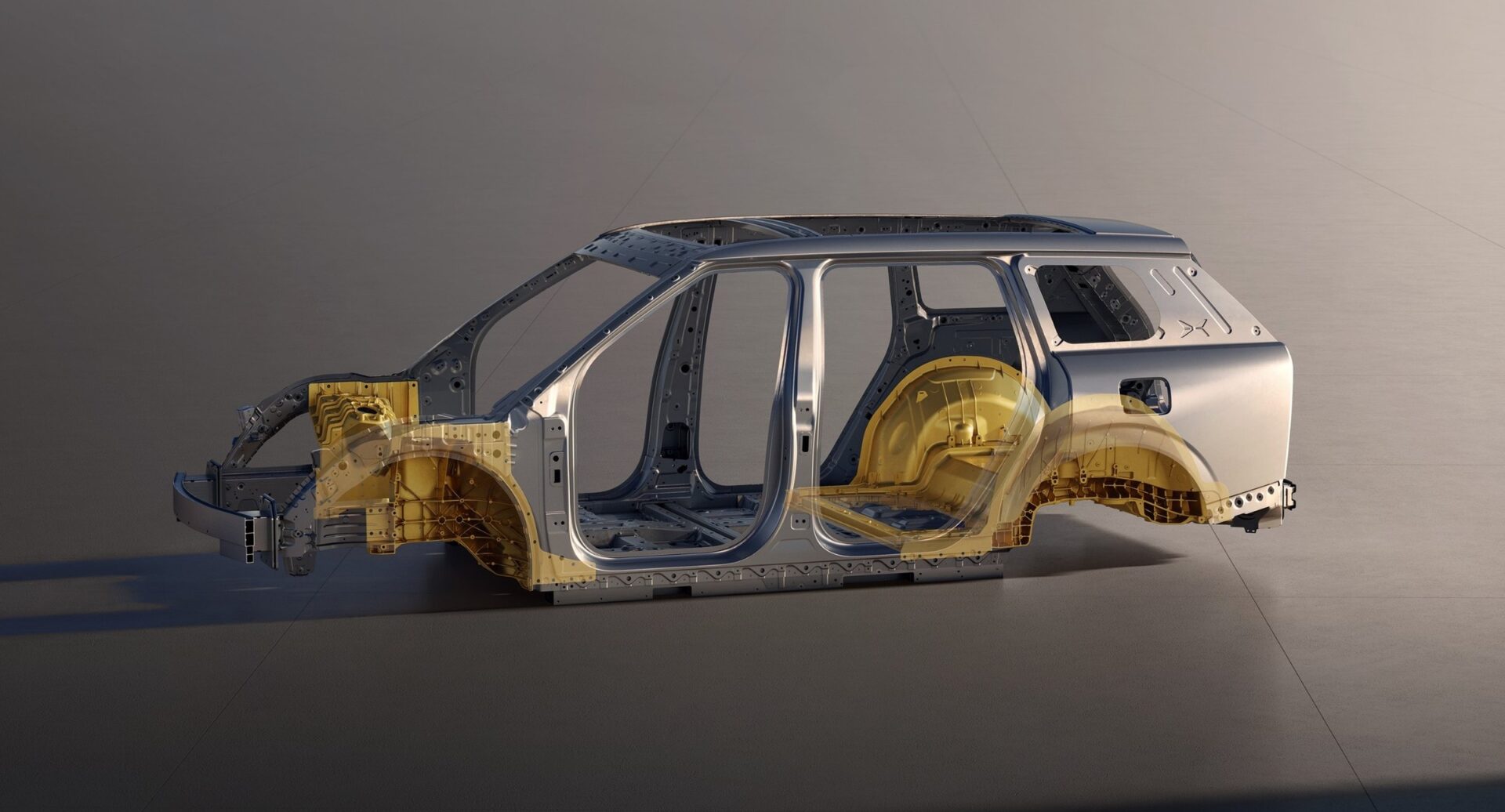
16,000-tonne front-and-rear integrated all-aluminium die-cast body.
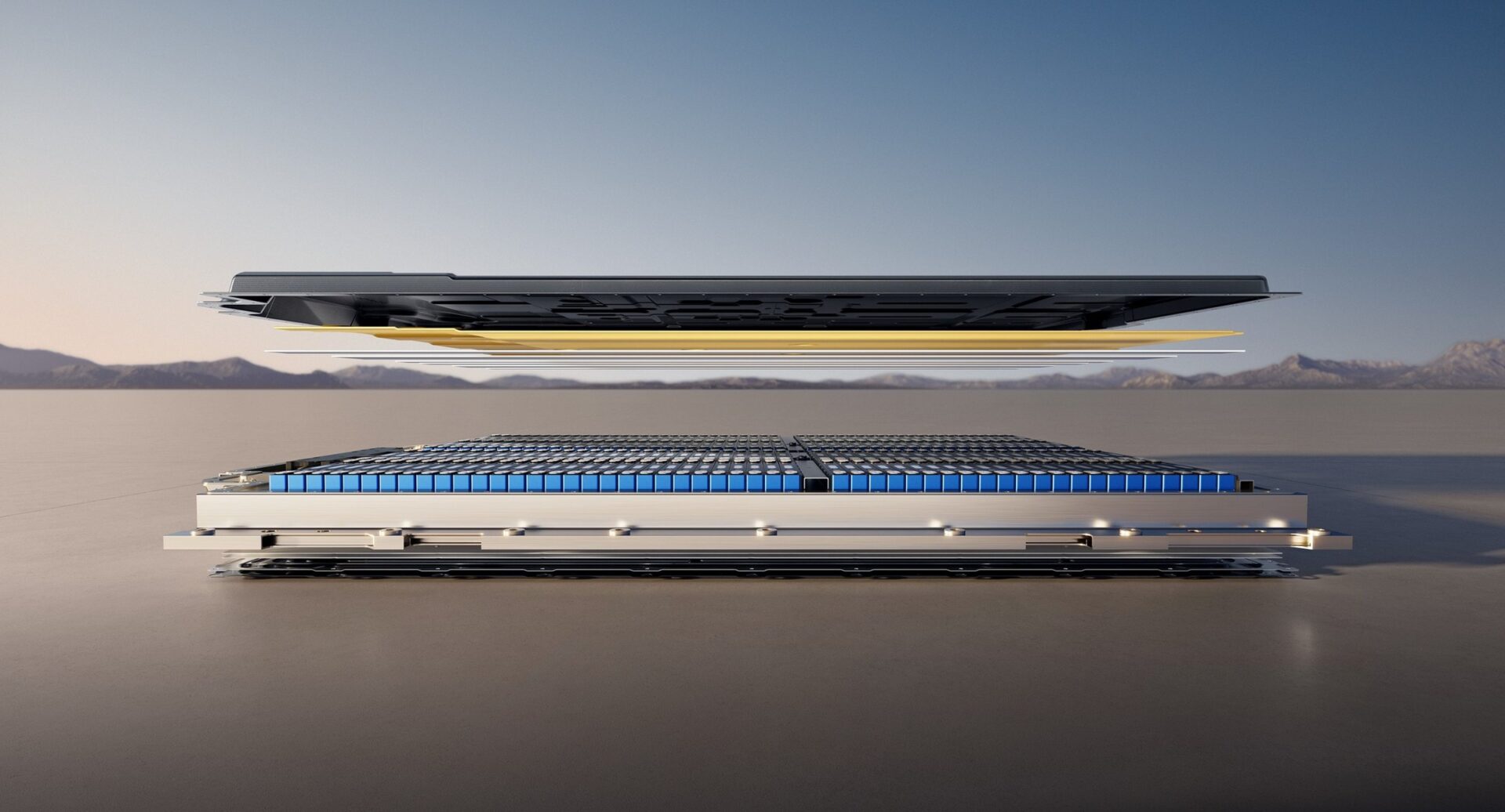
EIS battery safety chip - real-time monitoring to prevent battery thermal runaway from the source. BEV cells support 5C; packs are 91.9 kWh LFP or 110 kWh NMC on the China configurator.
720° chain collision challenge (720°连环碰撞挑战) - 30 km/h vehicle scrapes underside and wades 700 mm in water · 100 km/h frontal offset collision · 100 km/h side collision · 100 km/h left rear-end collision at 45° angle · 2.2-ton container crashes onto roof from a height of 1 metre (XPENG marketing).
By-wire redundancy
Every critical link gets a backup - that is the whole pitch. XPENG groups it as aviation-grade six-fold full-domain safety redundancy (航空级六维全域安全冗余) - comprehensive safety redundancy, a flagship choice trusted by the whole family:
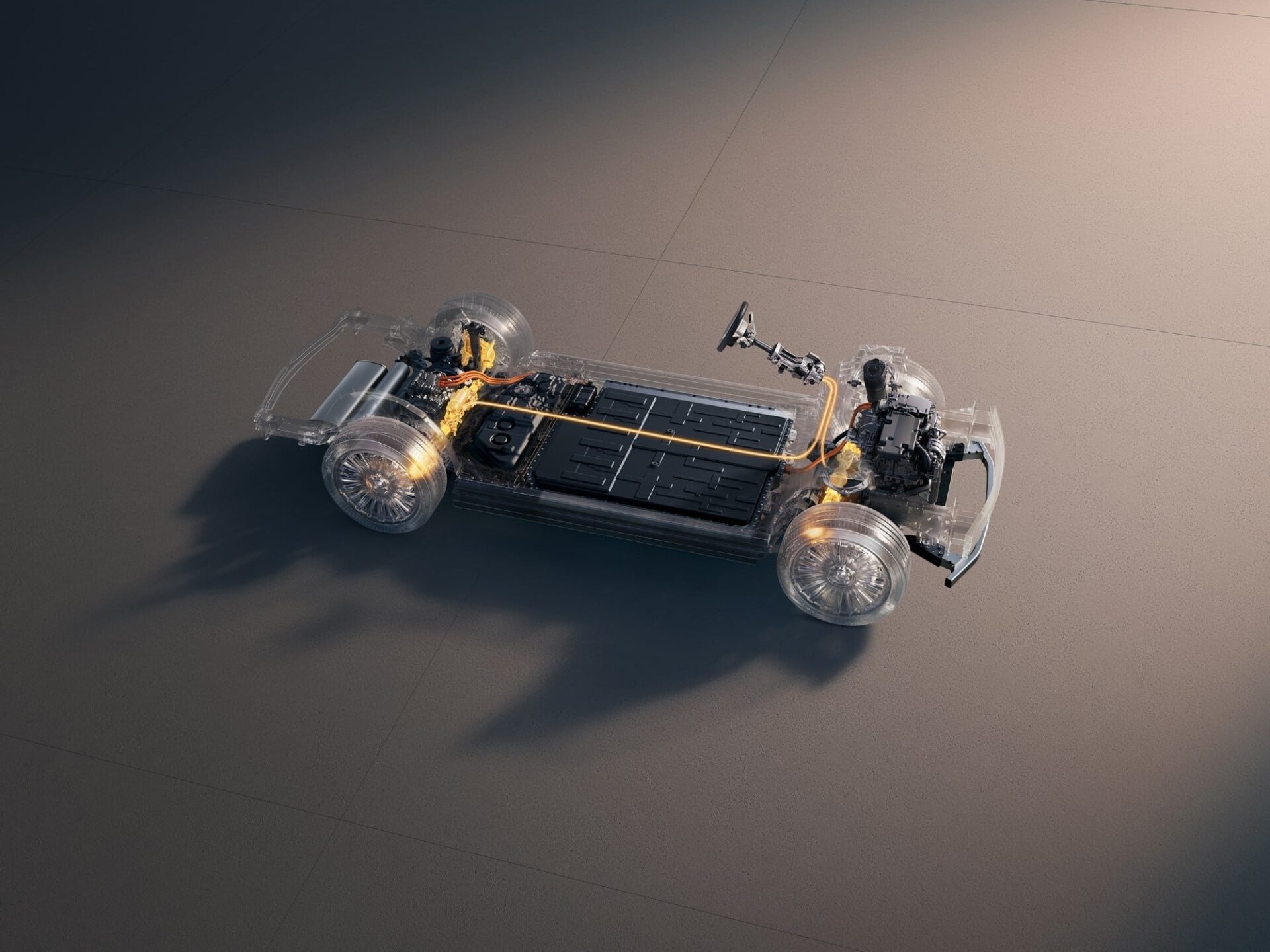
Redundancy of steer-by-wire - quad-layer security backup.
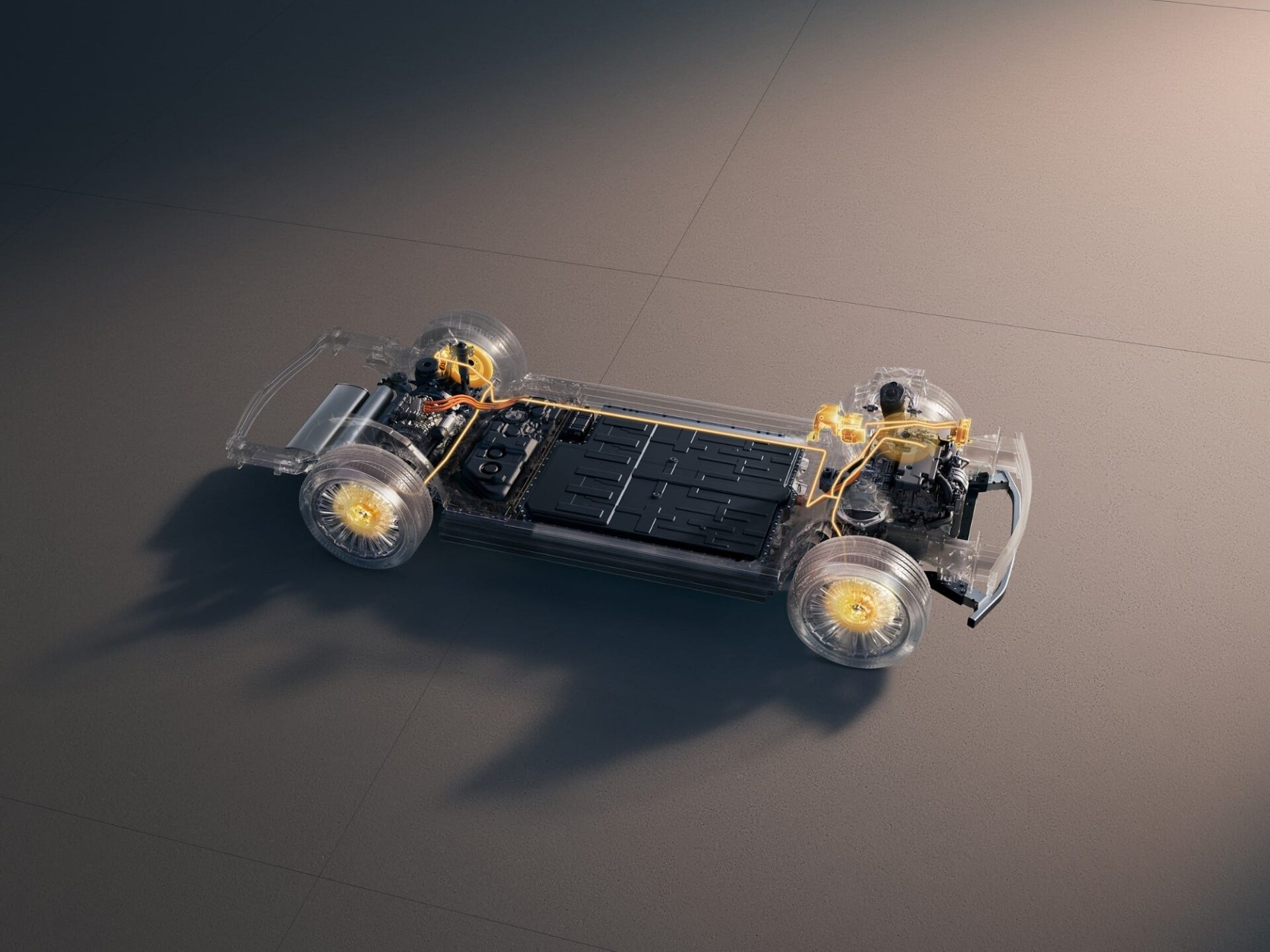
Braking redundancy - quadruple redundancy of the braking system.
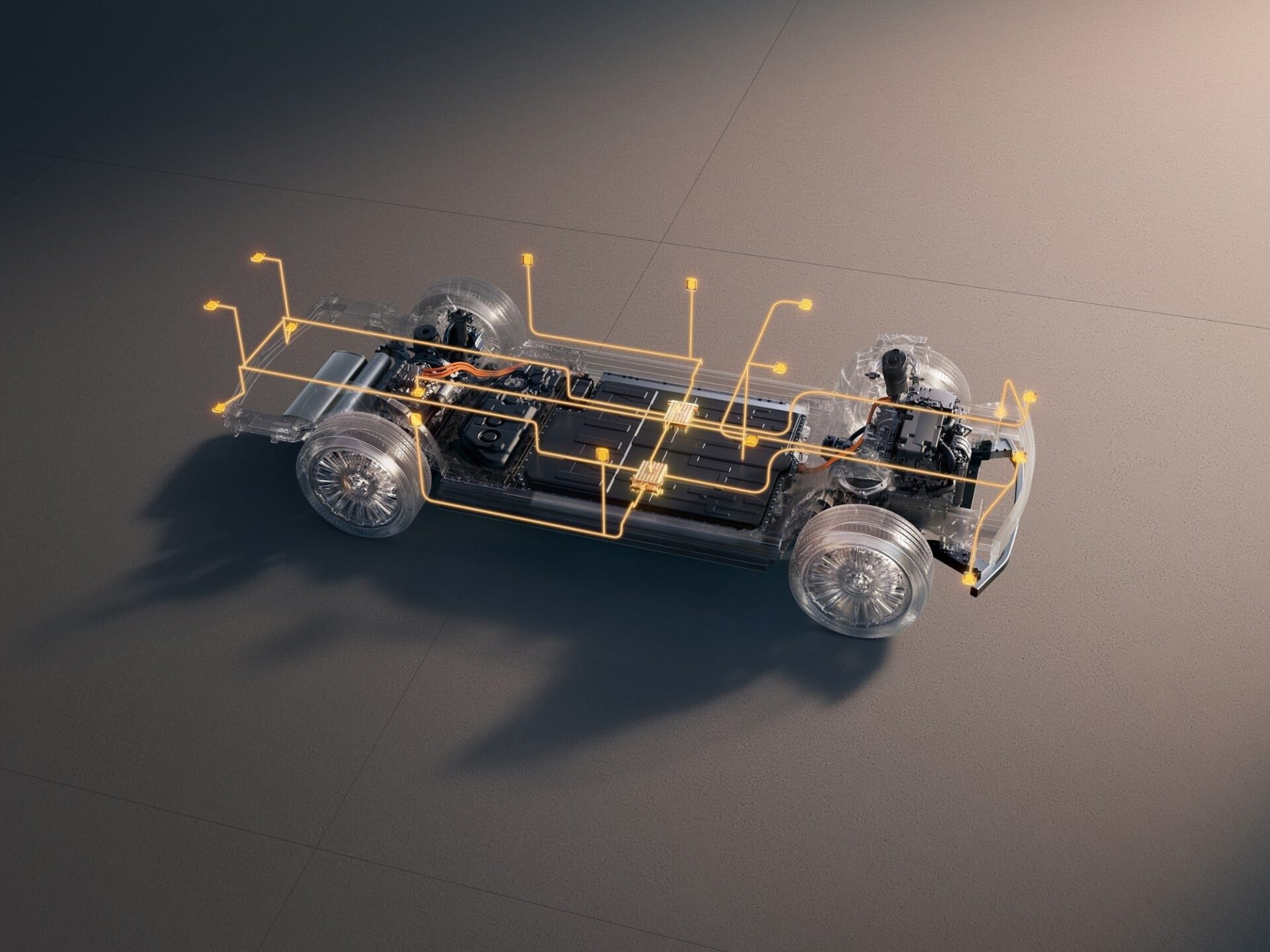
Power supply redundancy - dual redundancy for low-voltage power supply to the drive-by-wire chassis.
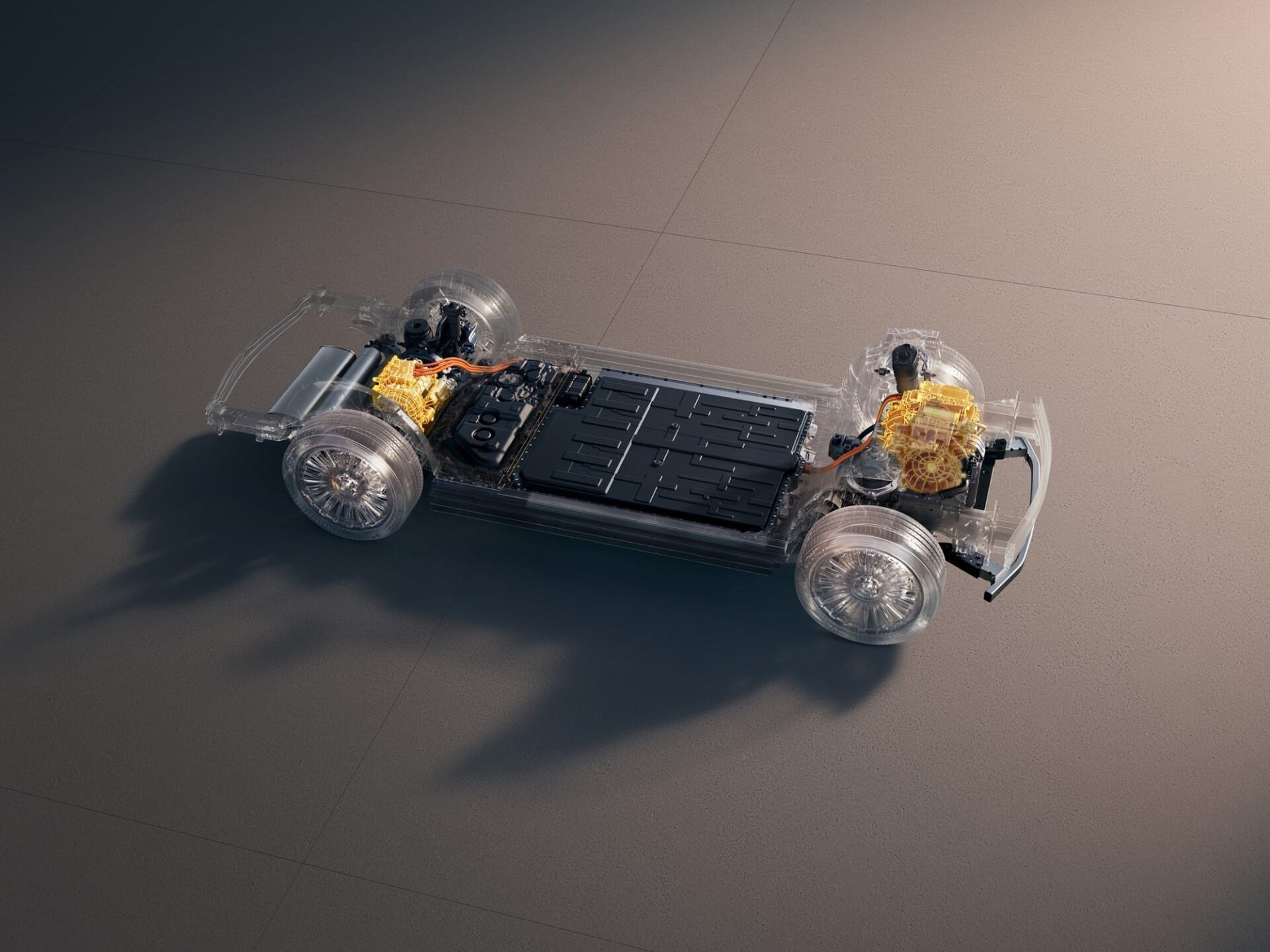
Drive redundancy - redundancy between primary and secondary drives, plus dual redundancy of primary drive control.
Communication redundancy - dual CAN design.
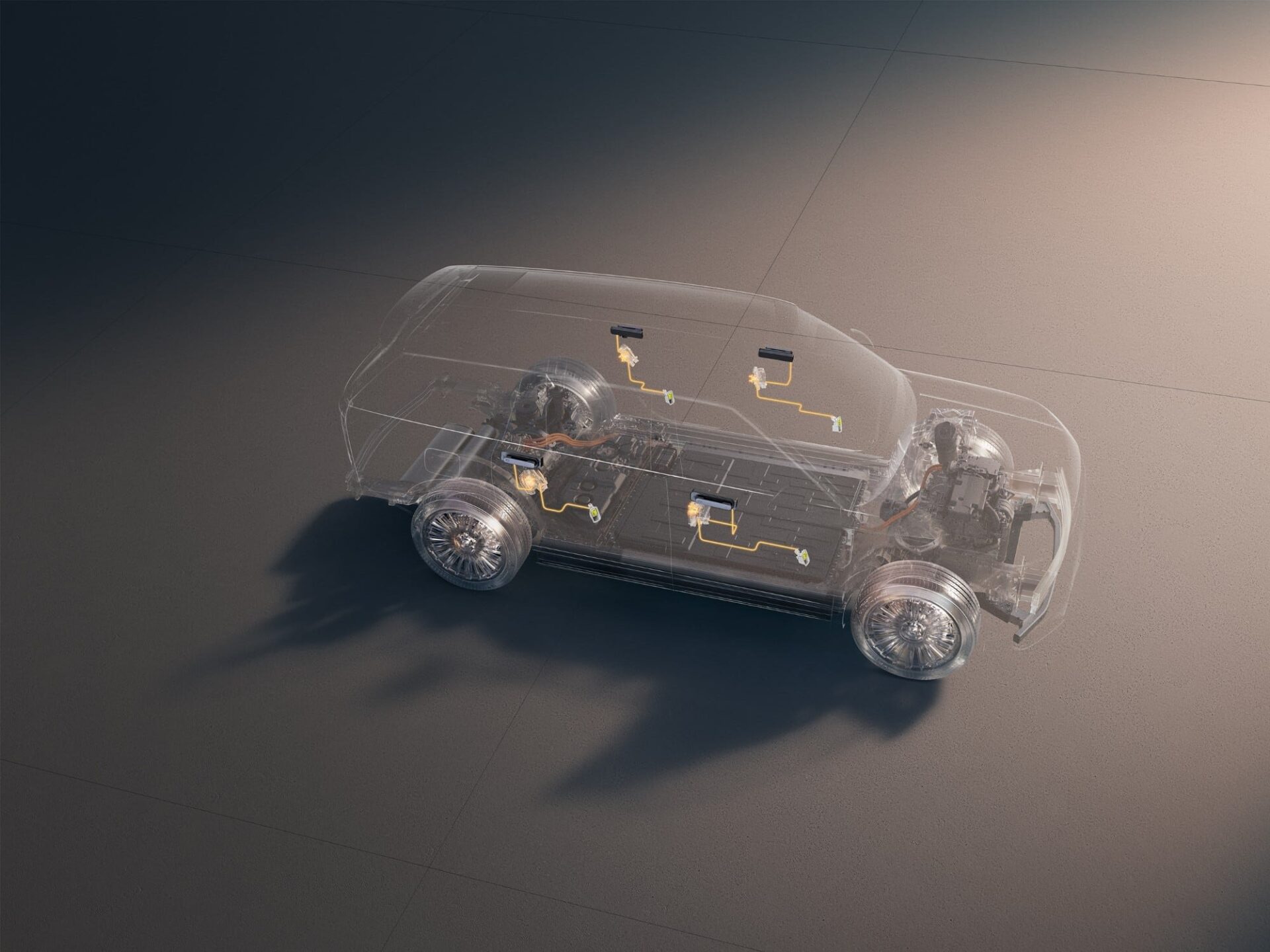
Unlock redundancy - four-fold redundancy for door unlocking.
Cabin and equipment
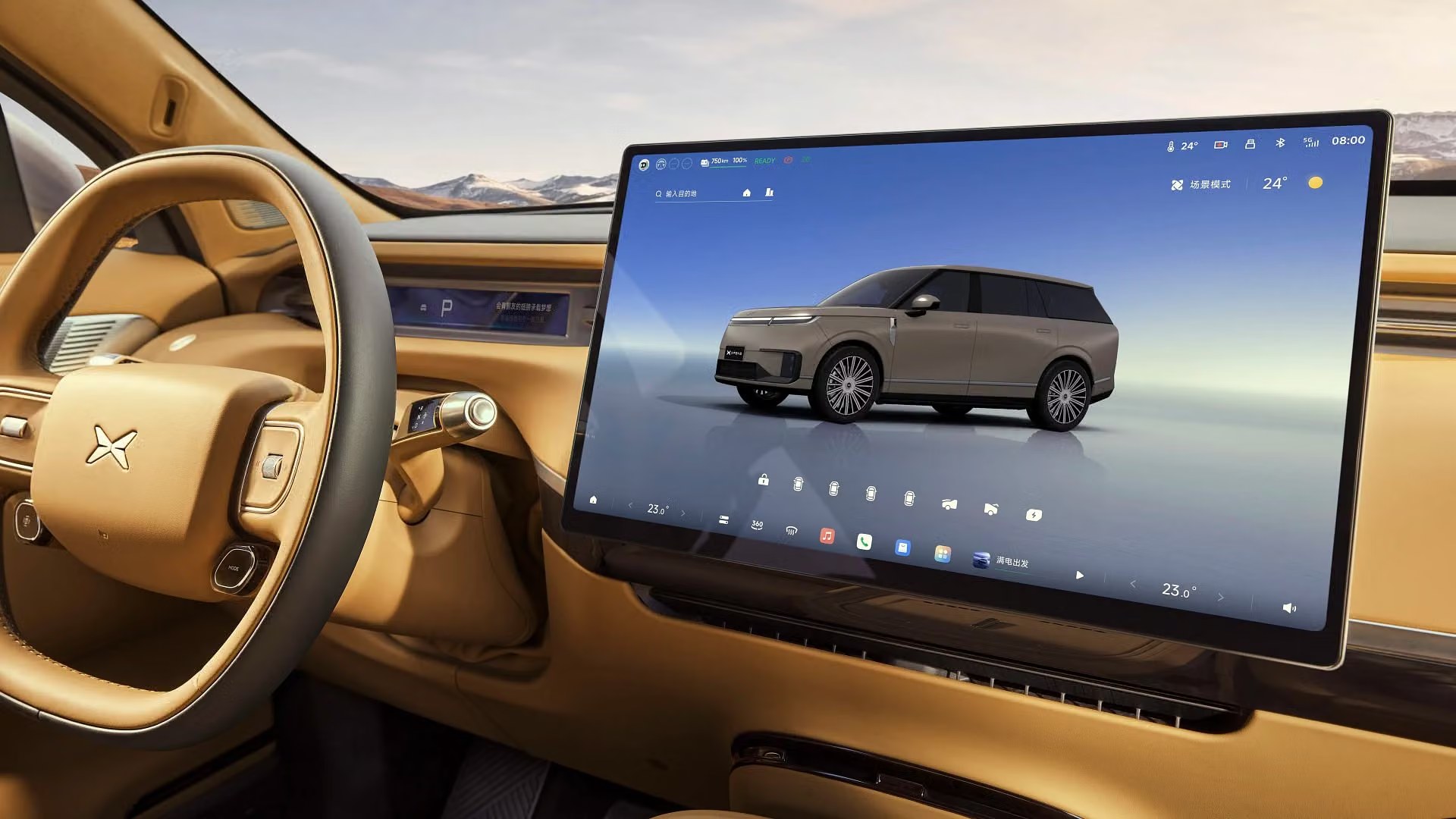
- 8.8″ cluster · 17.3″ 3K centre screen (120 Hz, 6 mm bezels) · 8″ rear control panel
- 88″ AR-HUD - the projected image size, not a physical panel
- 21.4″ 3K rear entertainment screen (optional; Rheinland low-blue light)
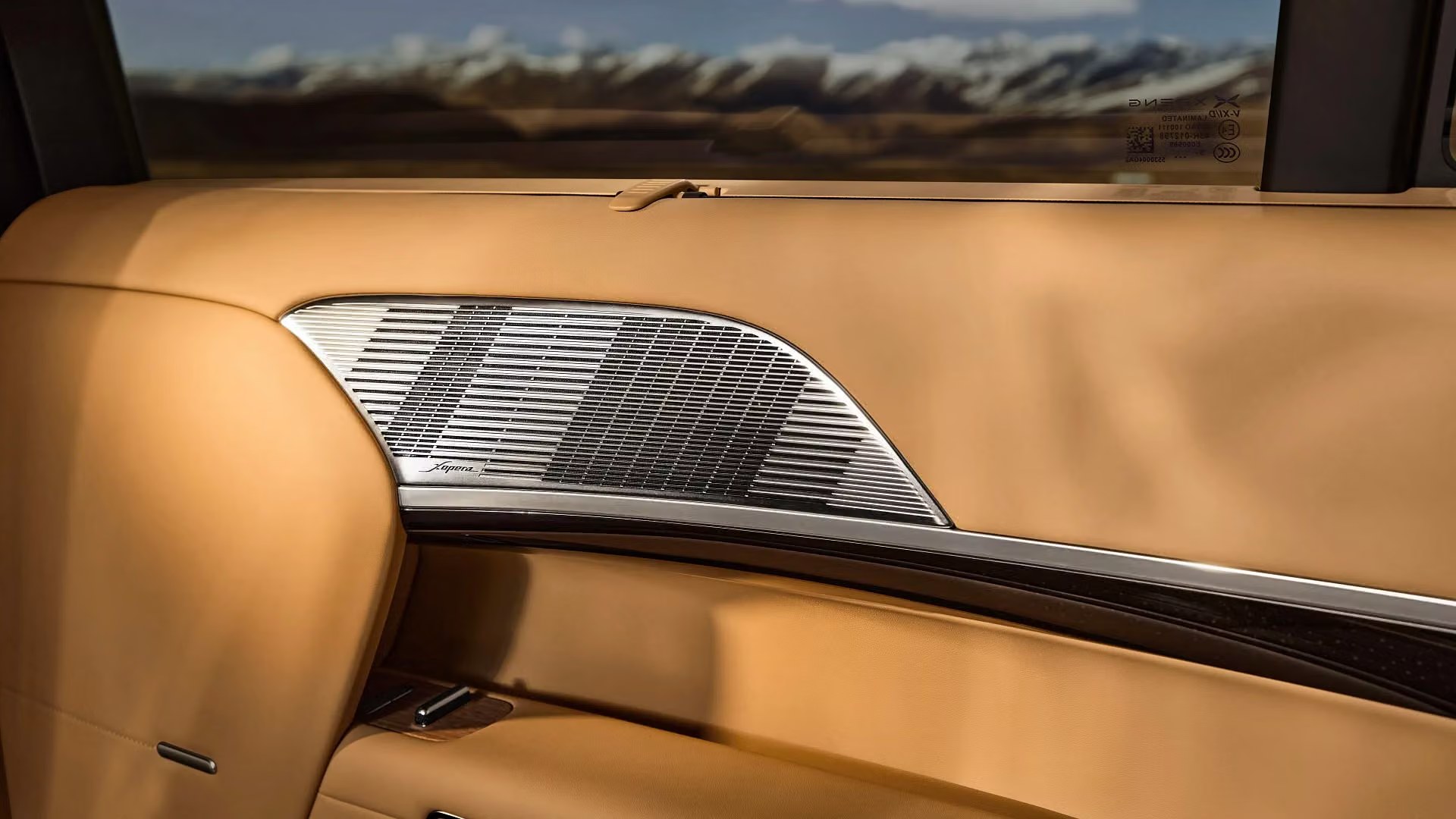
- Lingjing AI Audio Max: 33 HiFi speakers, 7.1.6.8, independent audio daughter card and power amplifier, plus three exterior ones
- AI-dimmed privacy glass: 0.16 s response, 99.9% UV block, second and third rows
- Dual-door dual-zone cabin fridge (Midea PST sterilisation in the marketing copy)
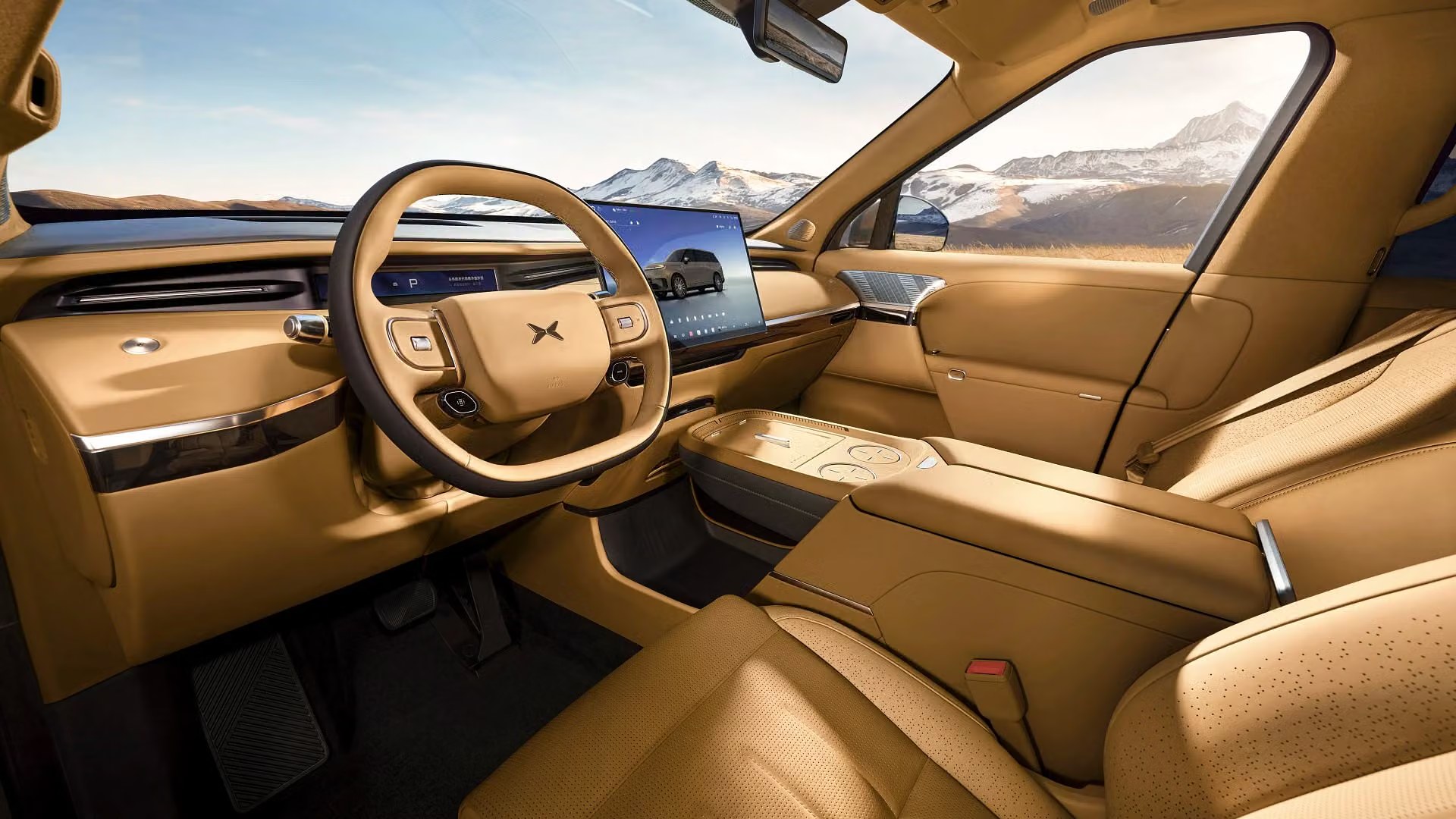
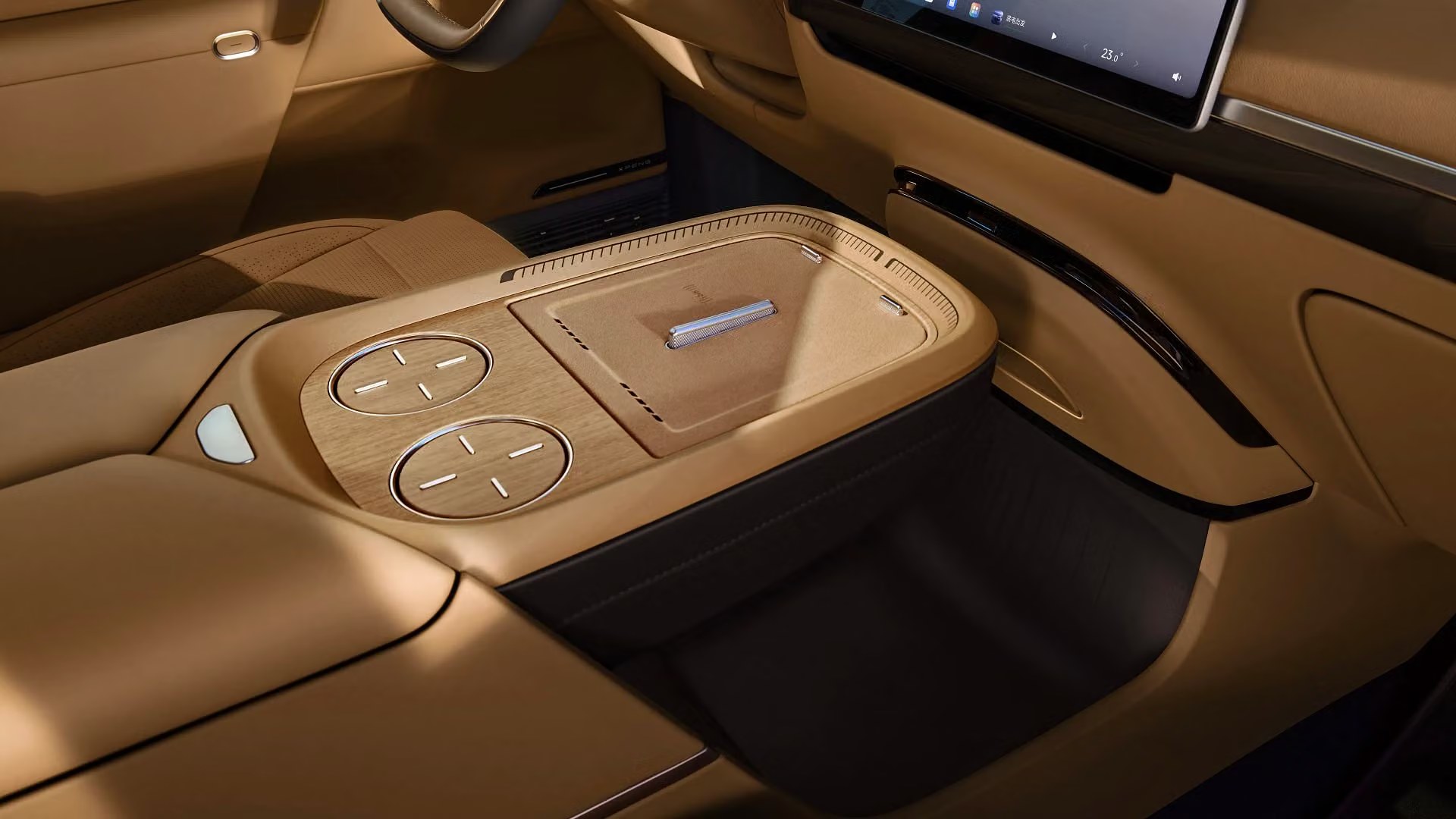
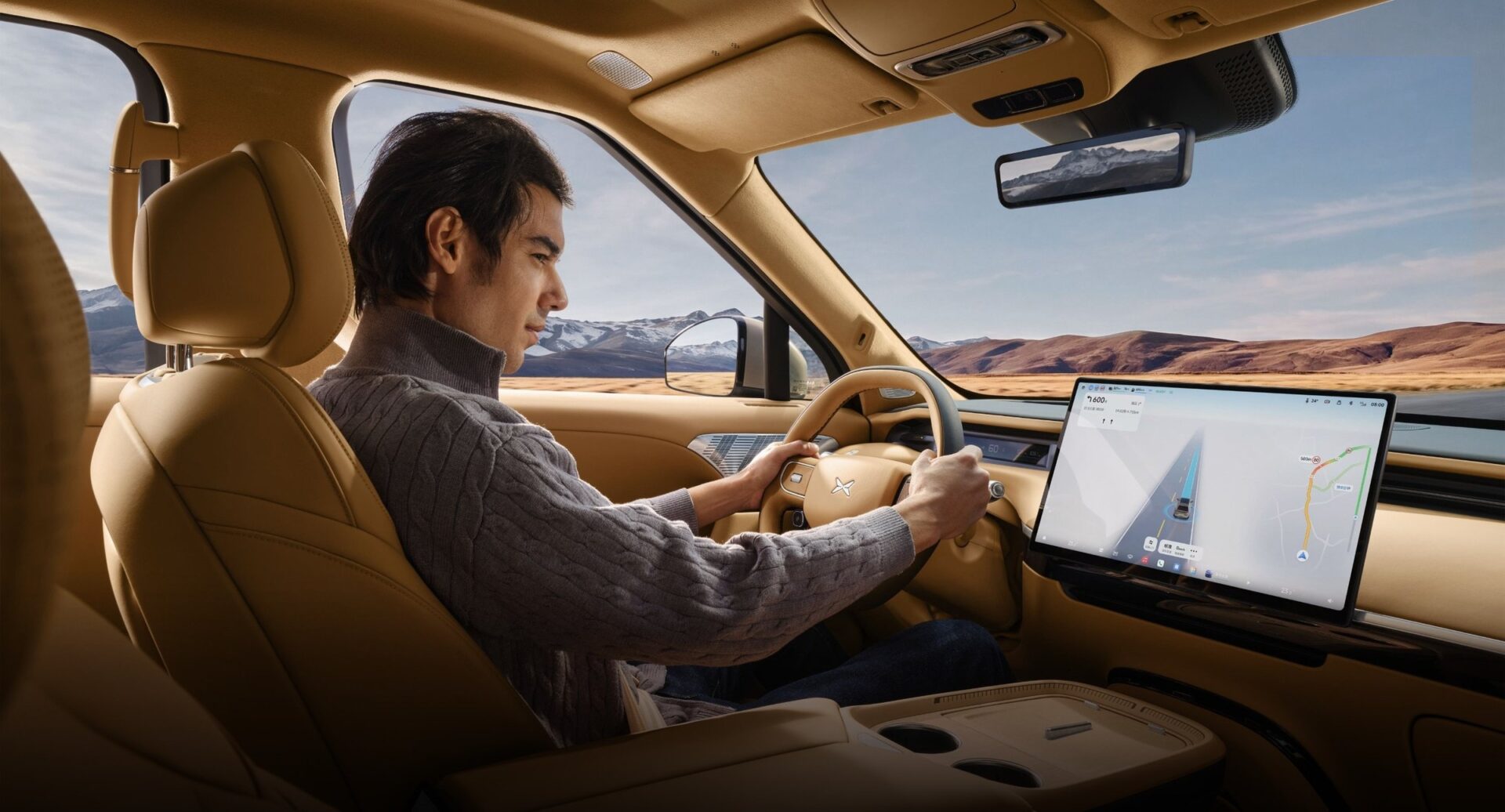
Four representative stills here - more cabin images with XPENG’s own labels in the gallery.
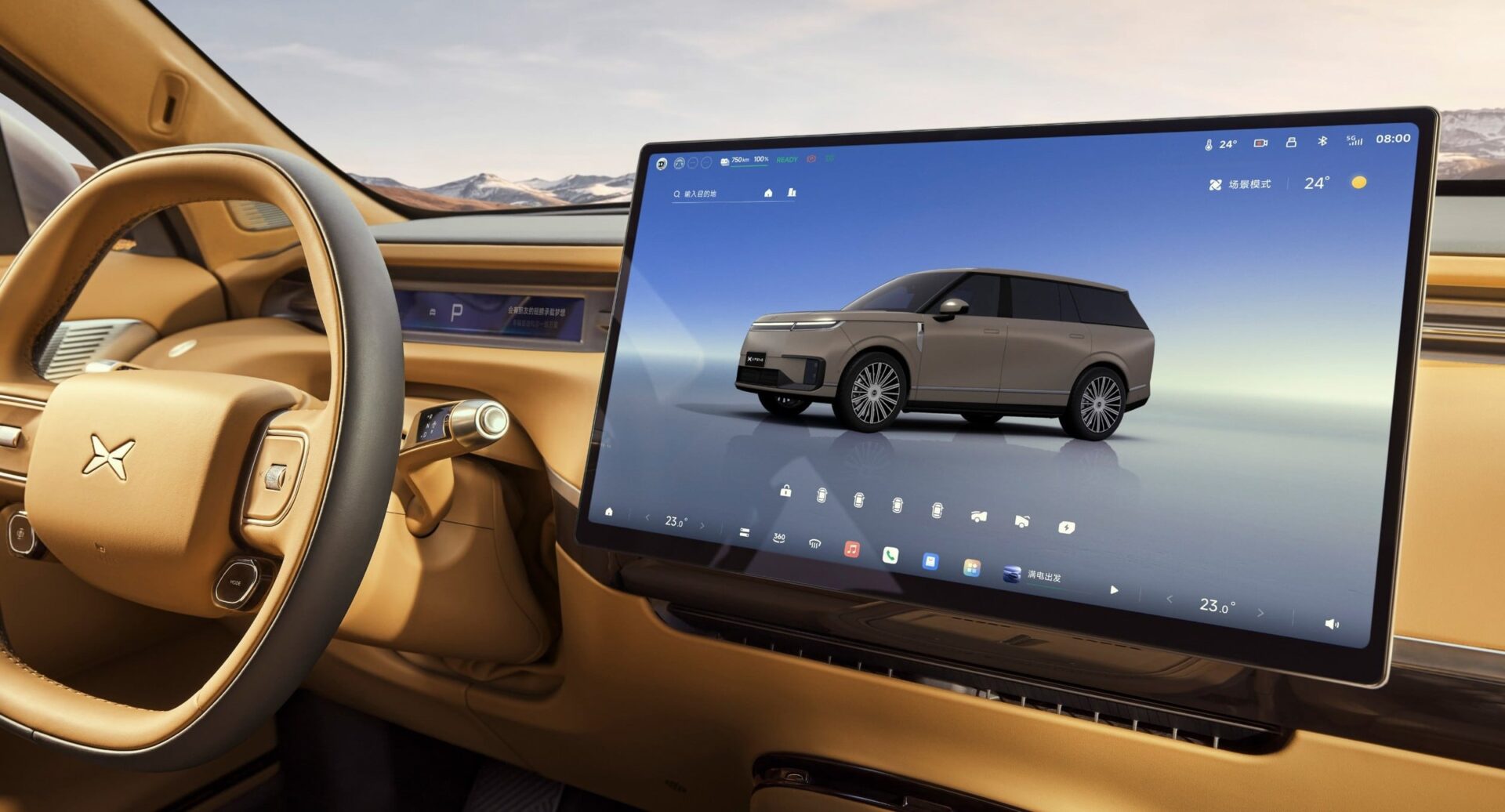
17.3-inch 3K ultra-narrow-bezel centre screen - 3K resolution, 85% NTSC wide colour gamut, 120 Hz touch and 6 mm bezels.
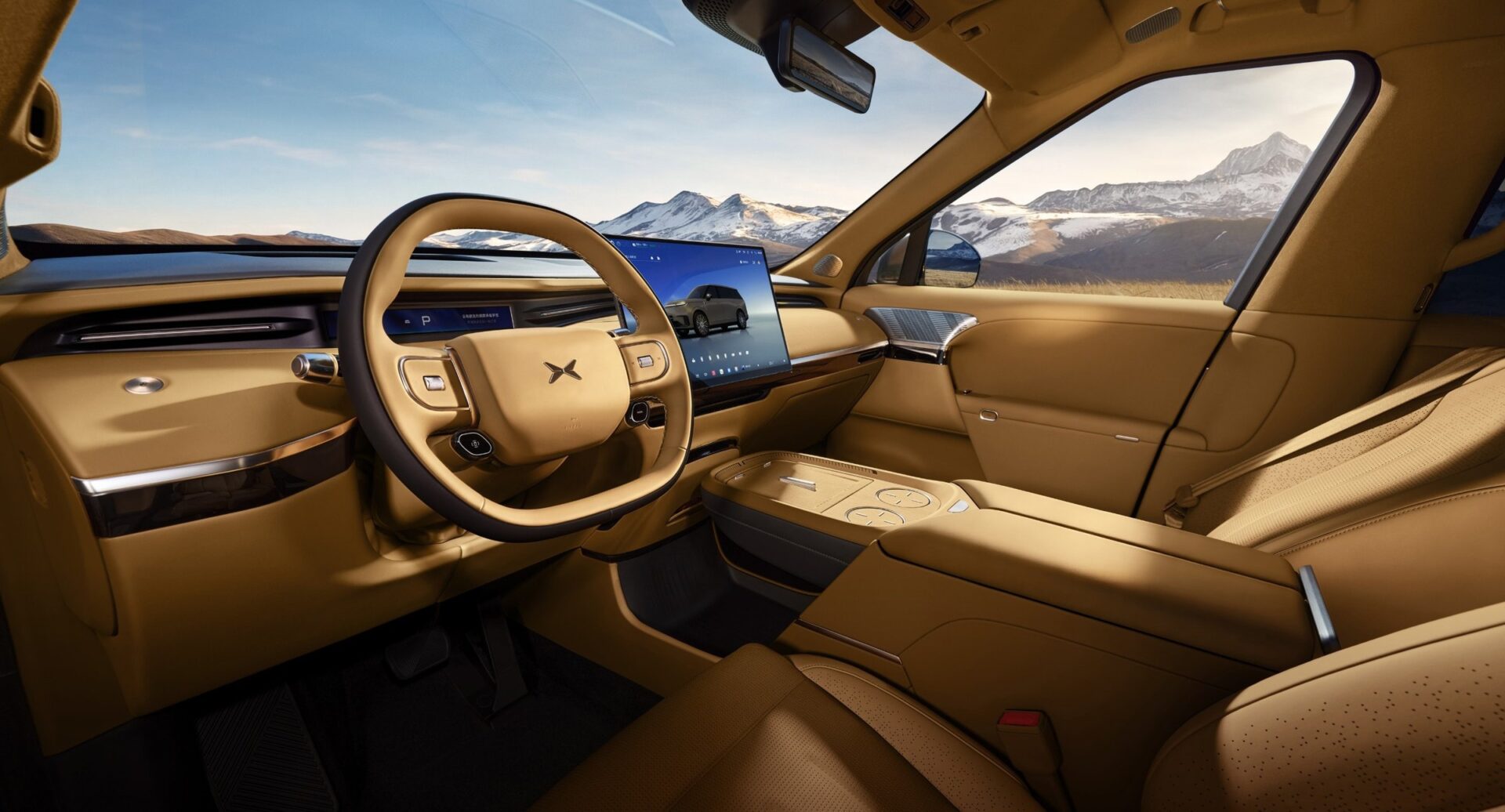
Interstellar flight instrument panel - steer-by-wire wheel with 135 mm power retract; second-gen tech-island cluster, AR-HUD and 17.3″ centre screen.
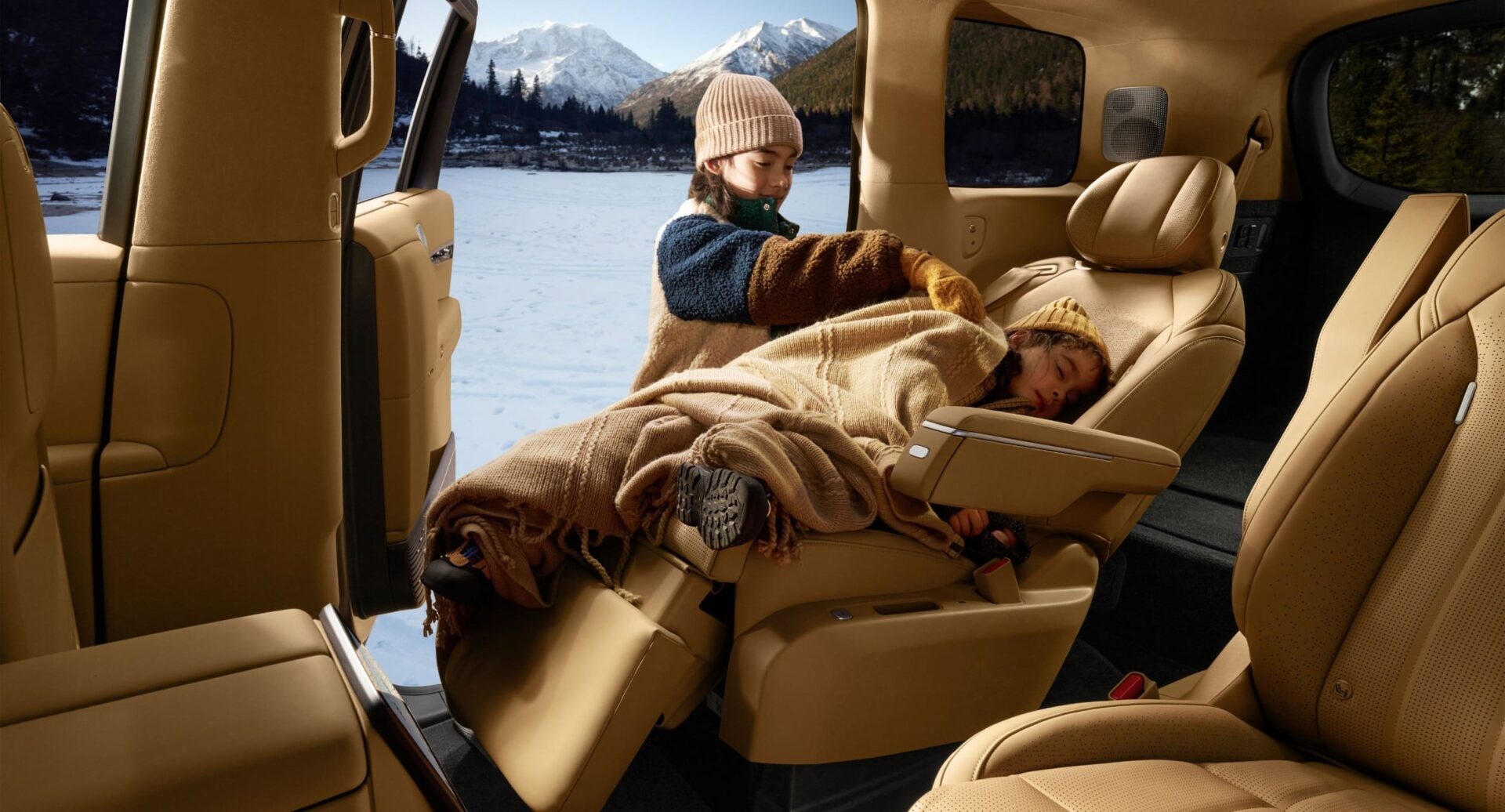
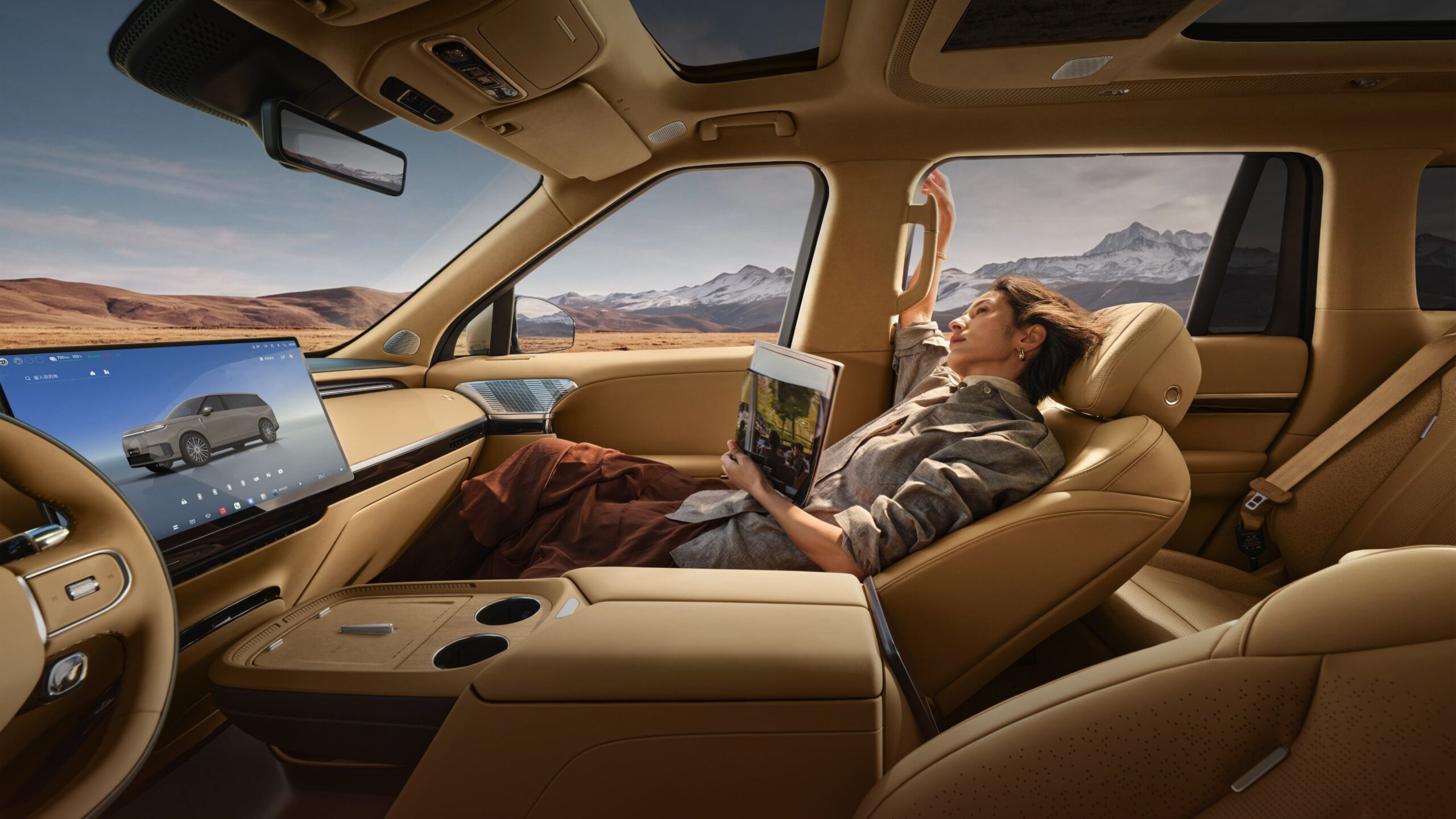
Second-row right premium zero-gravity seat - power armrest · 16-point massage · up to 16-way power adjust · 3-level vent/heat · heated leg rest.
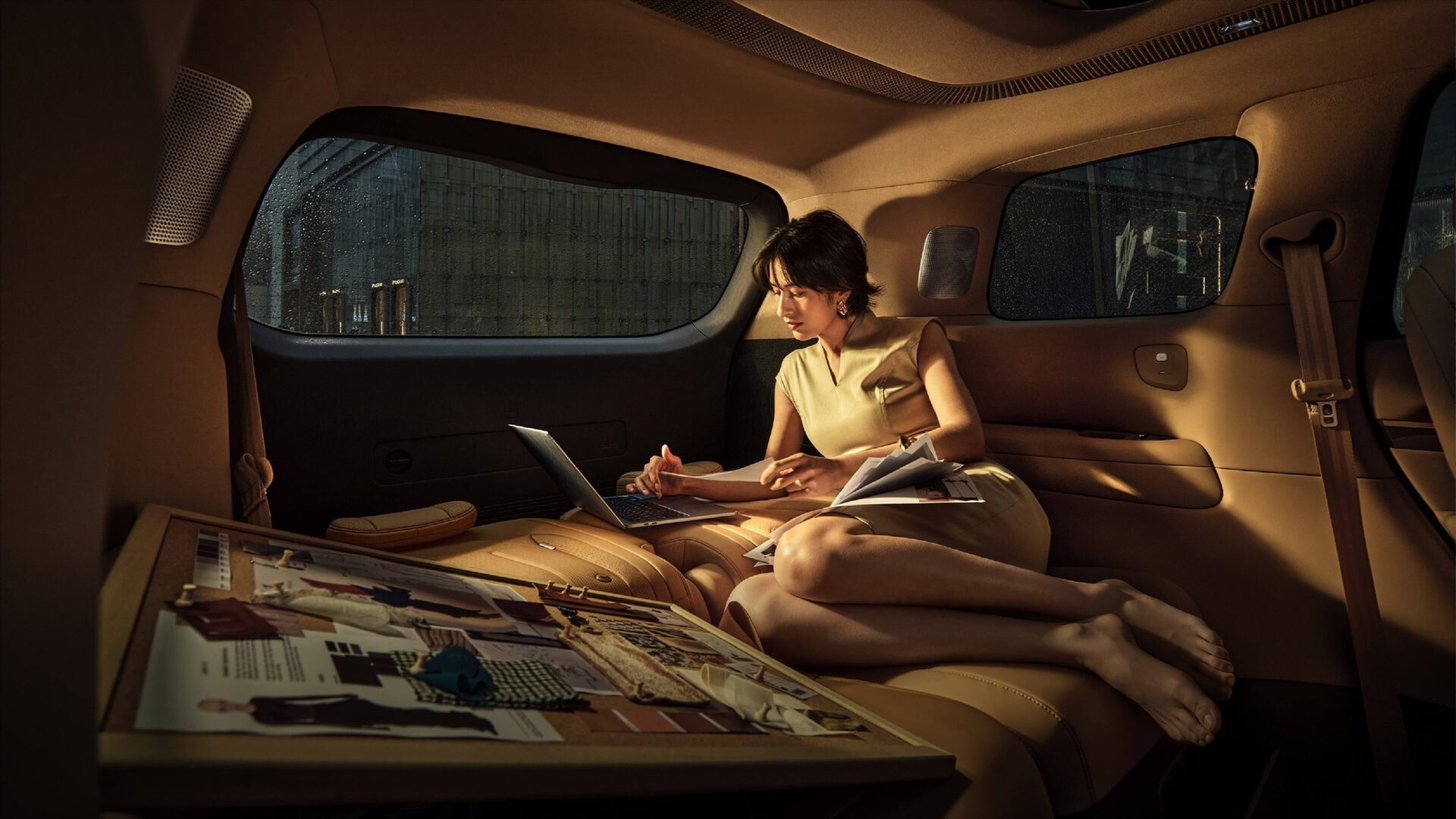
Spacious third row, flat to 180° - stepless power backrest and headrest · 180 mm heated cushion and back · second-row aisle · 1,324 mm headroom.
Assisted driving and AI compute
In the specifications table: Turing 1× / 2× / 3× = 750 / 1,500 / 2,250 TOPS (Ultra and Ultra flagship both 2,250). City NGP is not listed on Max; highway NGP is. Treat L4, Robotaxi and VLA 2.0 as a China roadmap, not a promise of EU type approval.
XPENG also builds a mass-produced Robotaxi on the GX platform - a separate fleet vehicle (18 May 2026), not a retail trim. See XPENG Robotaxi for press facts, timeline and how it differs from the configurator.
Active safety and assistance
From XPENG’s swiper under Full-scenario intelligent proactive security (全场景智能主动安全):
All-weather, all-scenario stability system - AES, ice, tyre blowout, crosswinds, heavy rain and water wading.
Driver disability assistance system - actively identifies driver incapacitation and autonomously and smoothly pulls over to await rescue.
AEB and AES speeds - AEB capability improved to 150 km/h; AES emergency avoidance also supported at up to 130 km/h on highways.
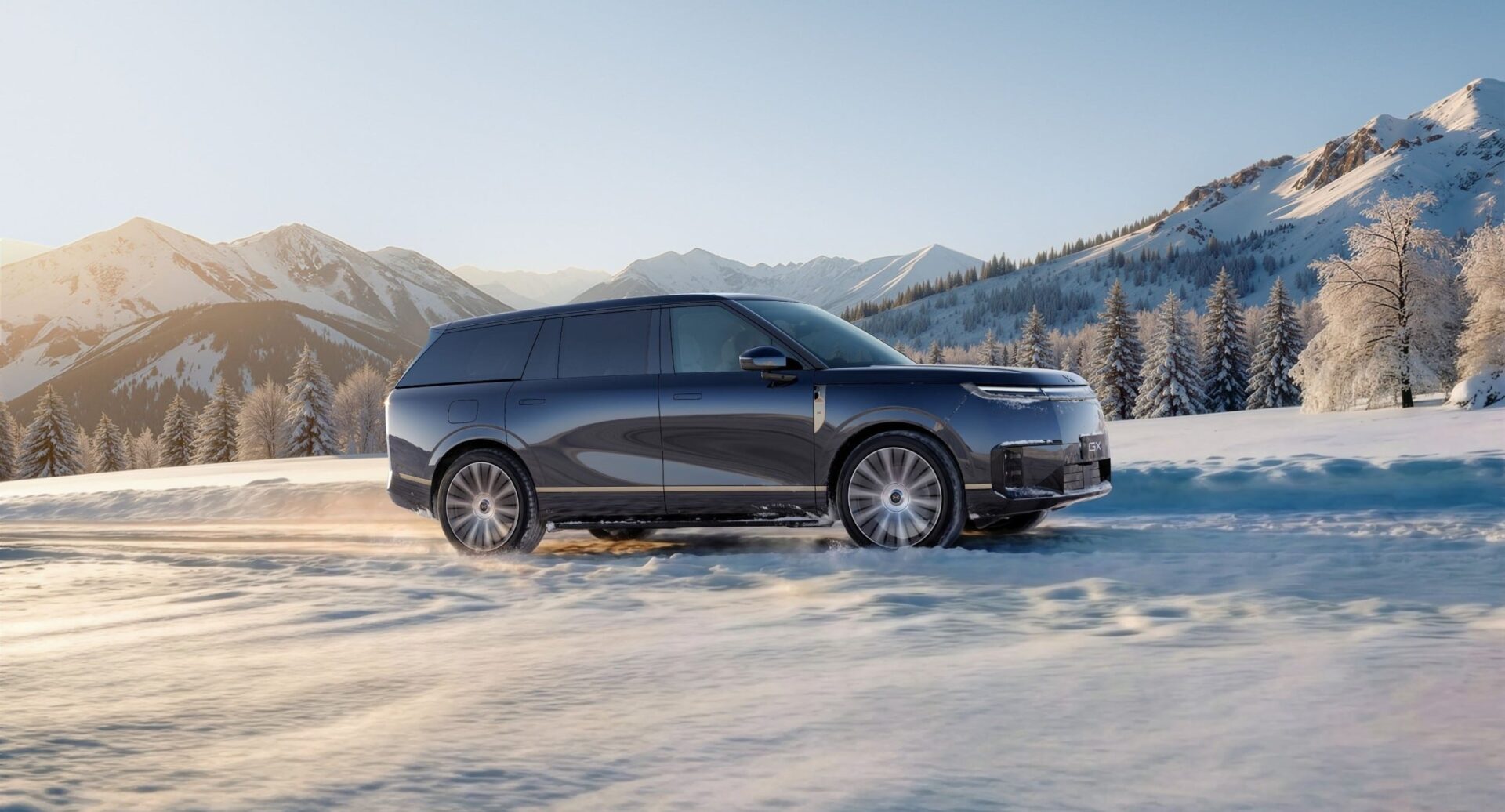
Industry-leading AES for ice and snow - tyre nonlinearity remains stable and continuously controllable on low-adhesion surfaces; triggering performance on high-adhesion surfaces improved by 20%.
All-weather, all-scenario stability system - AES · ice and snow · tyre blowout · crosswinds · heavy rain · water wading (全天候全场景稳行系统 · AES稳行 | 冰雪稳行 | 爆胎稳行 | 横风稳行 | 暴雨稳行 | 涉水稳行).
Super AI Intelligence and second-generation VLA (compute, voice control, light signals) - see gallery · AI & VLA.
China launch and markets
XPENG delivered 284 GX in May 2026 and around 7,000 a month through the summer. On 31 August, just over three months after launch, He Xiaopeng handed the 20,000th car to Bu Xinwen, general manager of Bosch Huayu Steering Systems, the joint venture that supplies the GX’s steer-by-wire system (CnEVPost).
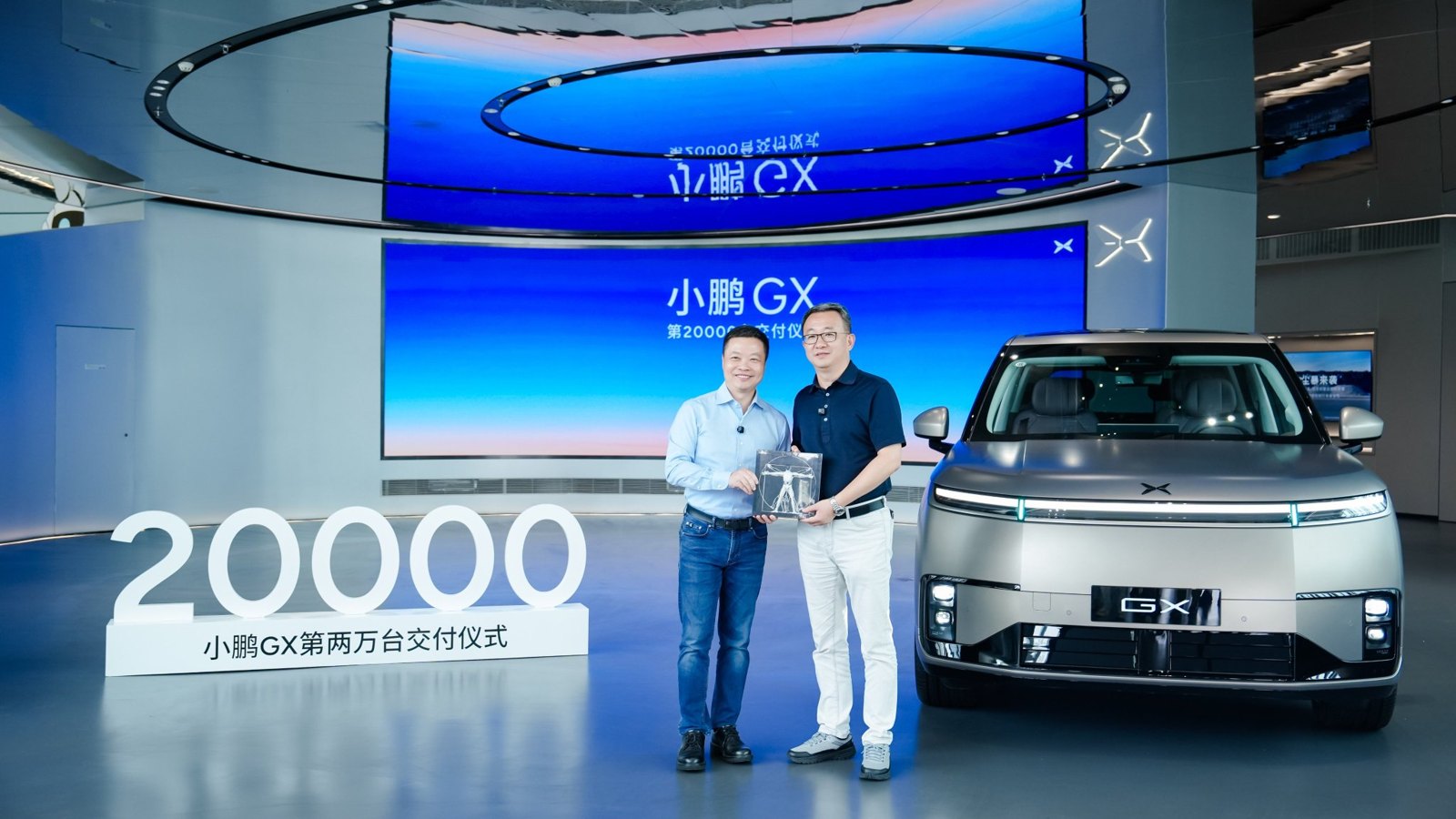
He Xiaopeng and Bu Xinwen at the handover of the 20,000th GX, 31 August 2026
At the G9L launch on 17 September 2026 XPENG took stock of the GX itself: 25,000 delivered in four months, two months running among the three best-selling large SUVs above CN¥ 300,000 in China, and over 3,000 orders in the Middle East.
The GX is on sale in China through XPENG’s store configurator at list prices from ¥279,800 to ¥359,800 (~€36,300-€46,700). These are China prices only.
Outside China there is a UAE pre-order page (thin on technical detail), and Australia is confirmed: XPENG ANZ’s head of international development Alex Tang said “I can confirm the GX will come” (CarExpert). The on-sale date is not locked - Australian media typically point to 2027 - and the name may change locally, since Lexus uses “GX” in Australia.
Europe and Denmark
There are no official plans for the GX in Denmark or the rest of the EU as of 25 July 2026. Australia and the UAE run on their own timelines. The Europe-bound large SUV to watch is G9L (G02), with deliveries expected from late 2026. Today the relevant large SUV here is still the XPENG G9 (see G9 model year differences). Follow Markets for XPENG’s official footprint.
Configurator: colours, wheels and interior
Paint, rim and cabin options from the China store price list. Extra cost is in ¥ and applies to China only; names are translations of the official Chinese labels. Figures marked promo come from the May 2026 launch campaign and may no longer apply - normally is the list price.
Paint colours
 Fjord Grey (峡湾灰)
 Arctic Black (极地黑)
 Everest White (珠峰白)
 Kunlun Cloudscape (昆仑云境)
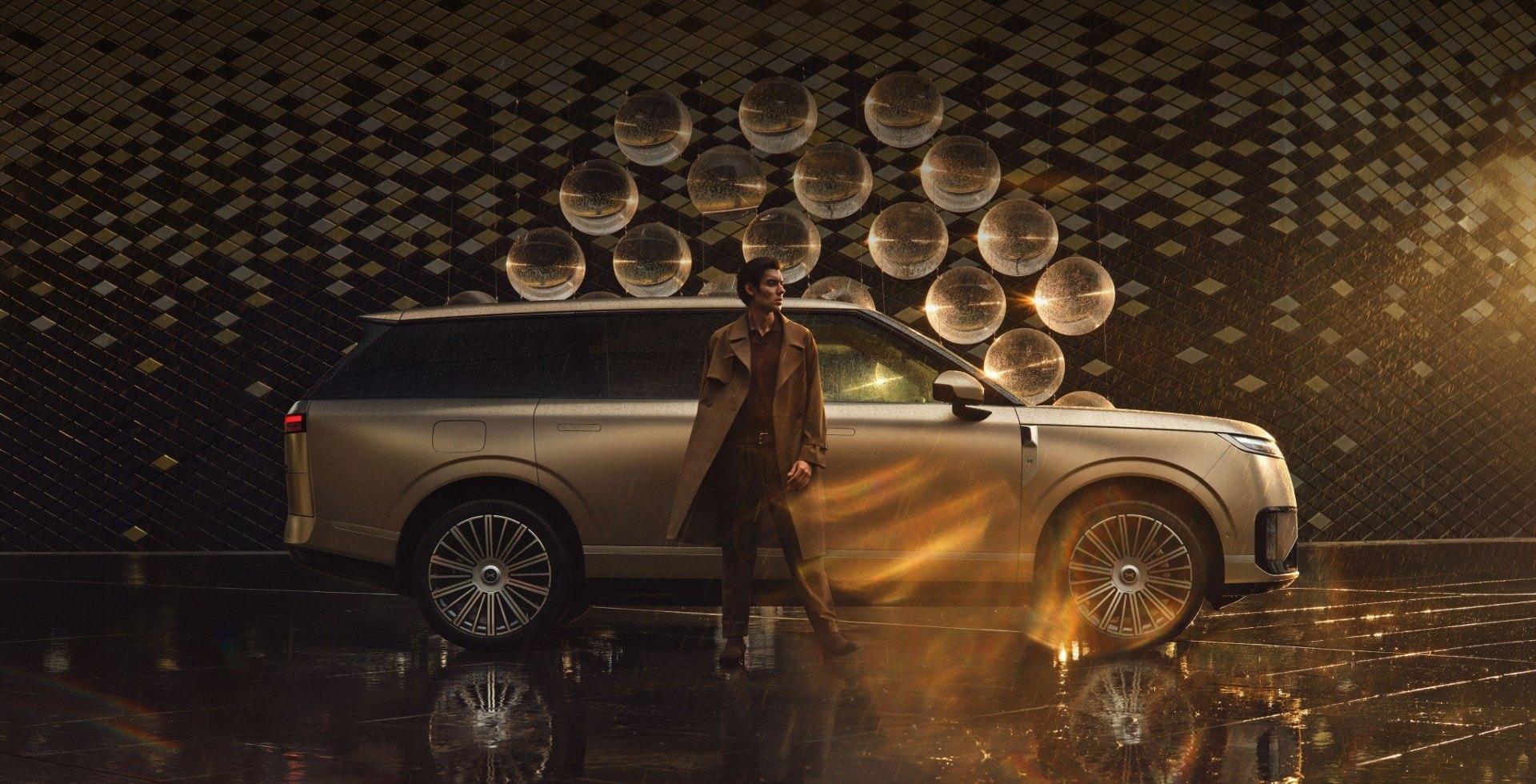
 Cloud Desert Gold (matte) (云漠金(哑光))
 Danxia Red (丹霞红)
Wheels
On the smaller trims (Max / Ultra SE / Ultra) there are three choices: Moon Blade (standard), Star Speed and Corona. On the Ultra flagship Moon Blade is not listed - Star Speed is standard and Corona is the option.
 21″ Moon Blade (aero) (21英寸月刃低风阻轮毂)
 21″ Star Speed (21英寸星驰轮毂)
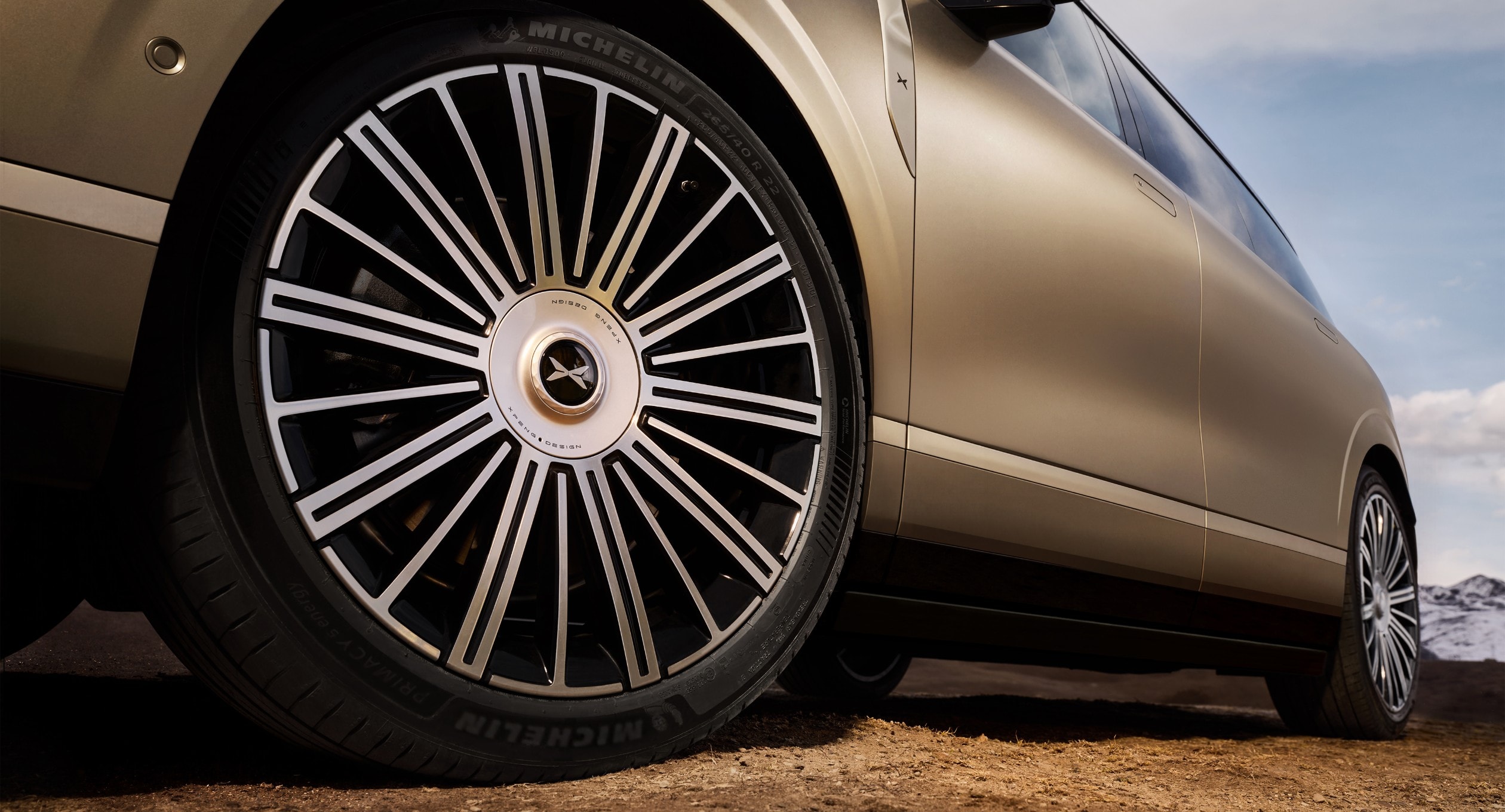
 22″ Corona (22英寸日冕轮毂)
Interior colours
 Forest Mist Purple (林雾紫)
 Dawn White (拂晓白)
 Platinum Brown (铂金棕)
Interior 360° (configurator)
Drag to look around the cabin in the China store view - switch between the three cabin colours and Front row / Back row cameras.
Drag to look around
Gallery
Exterior
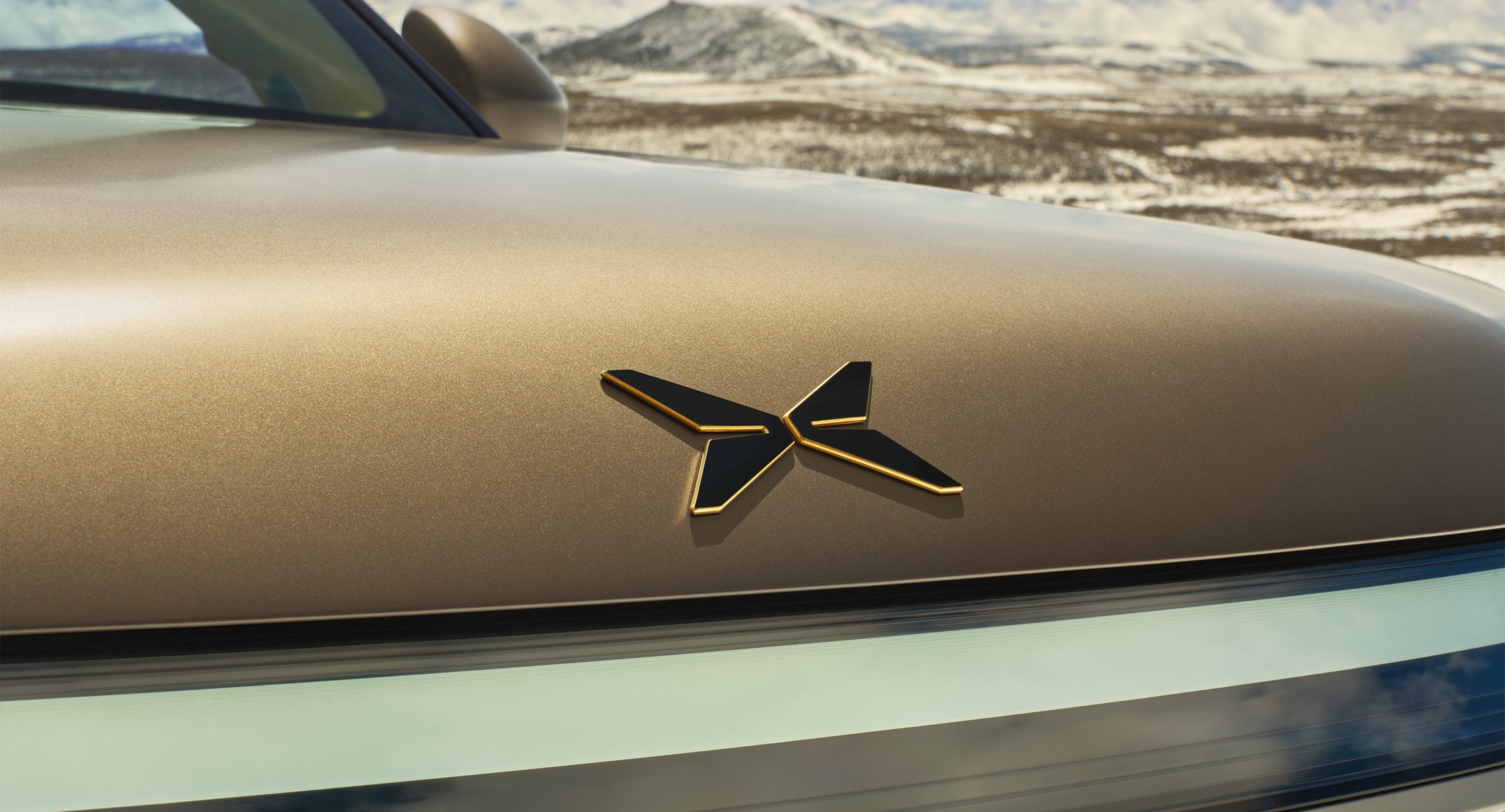
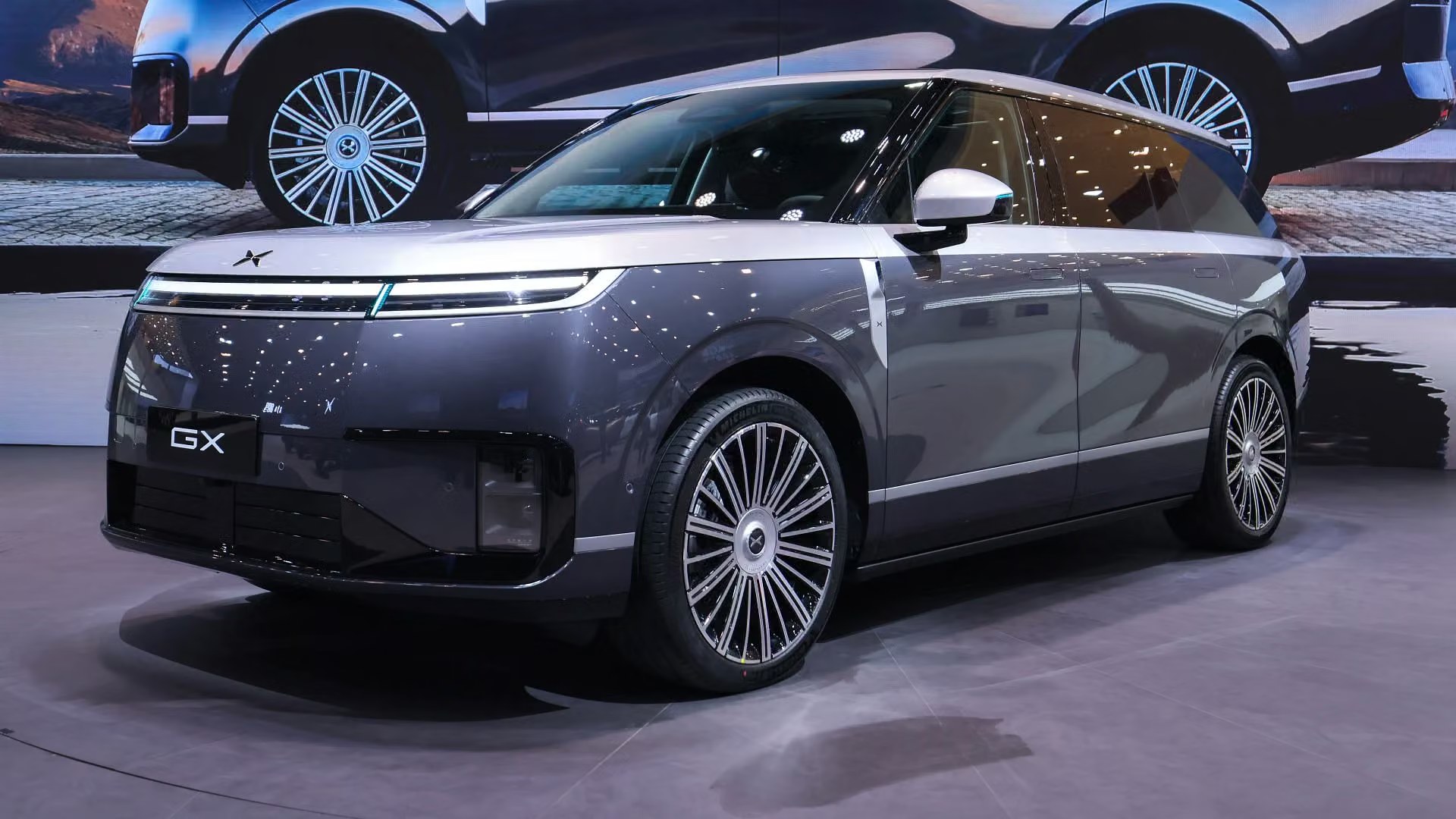
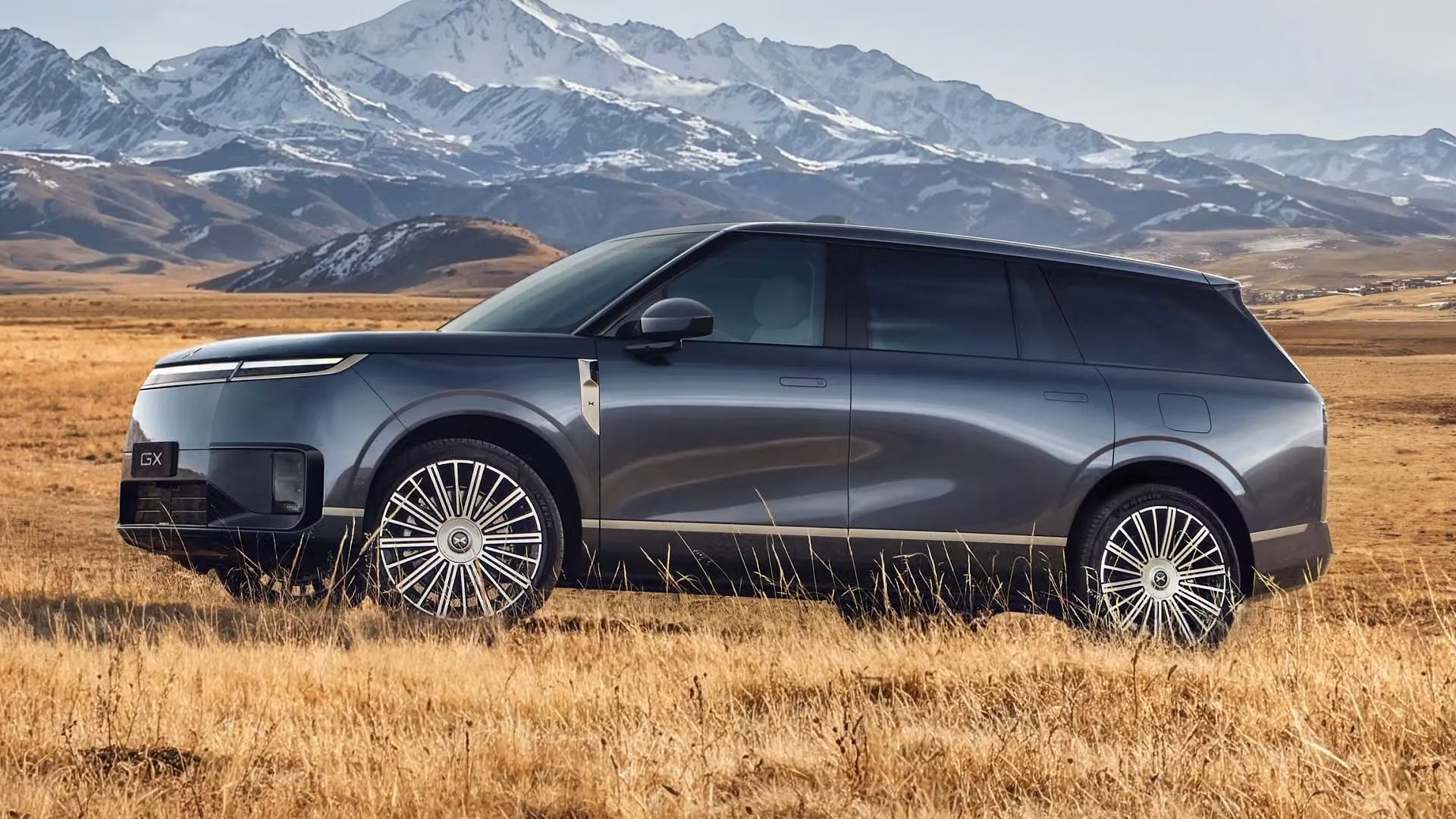
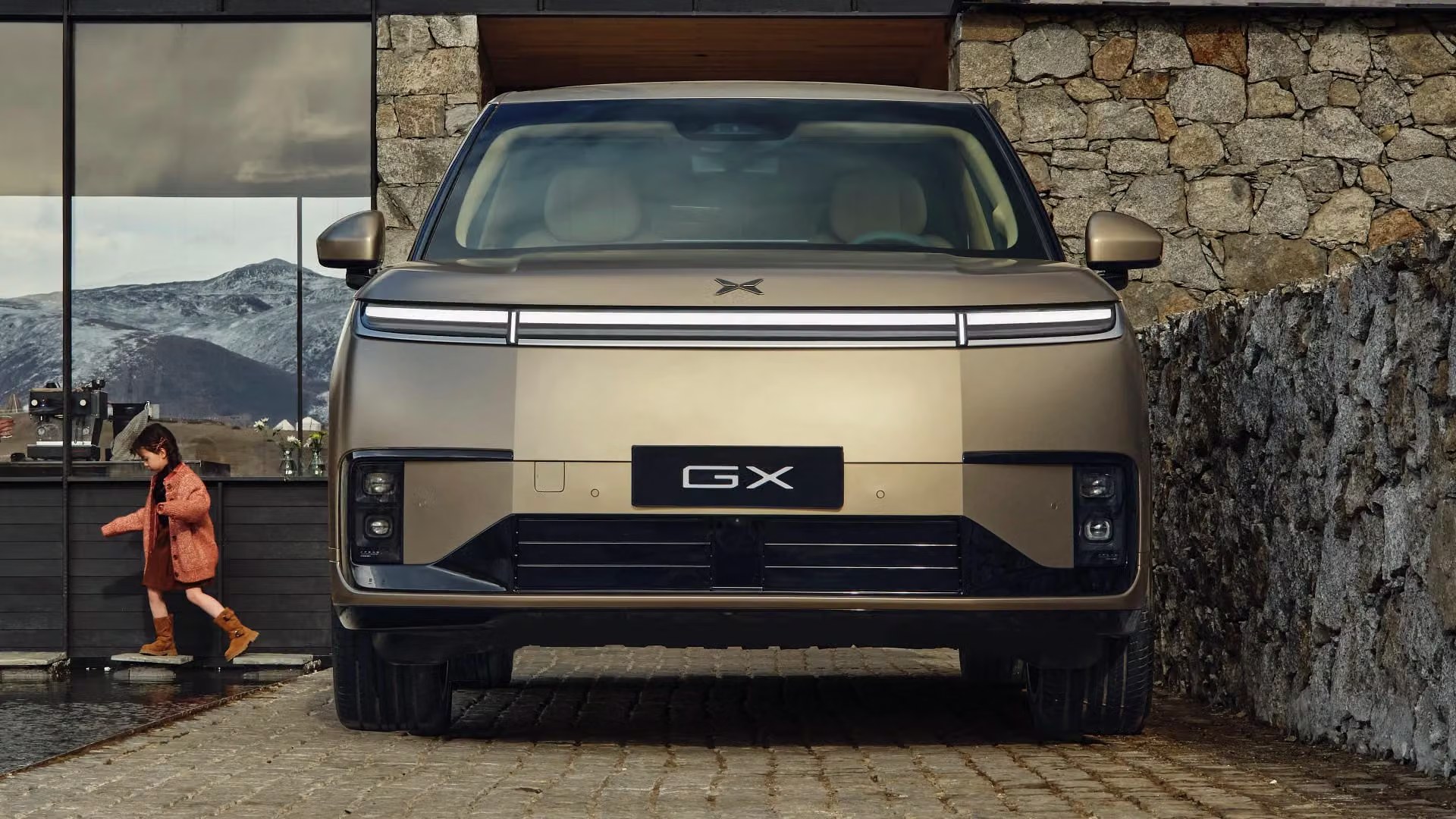
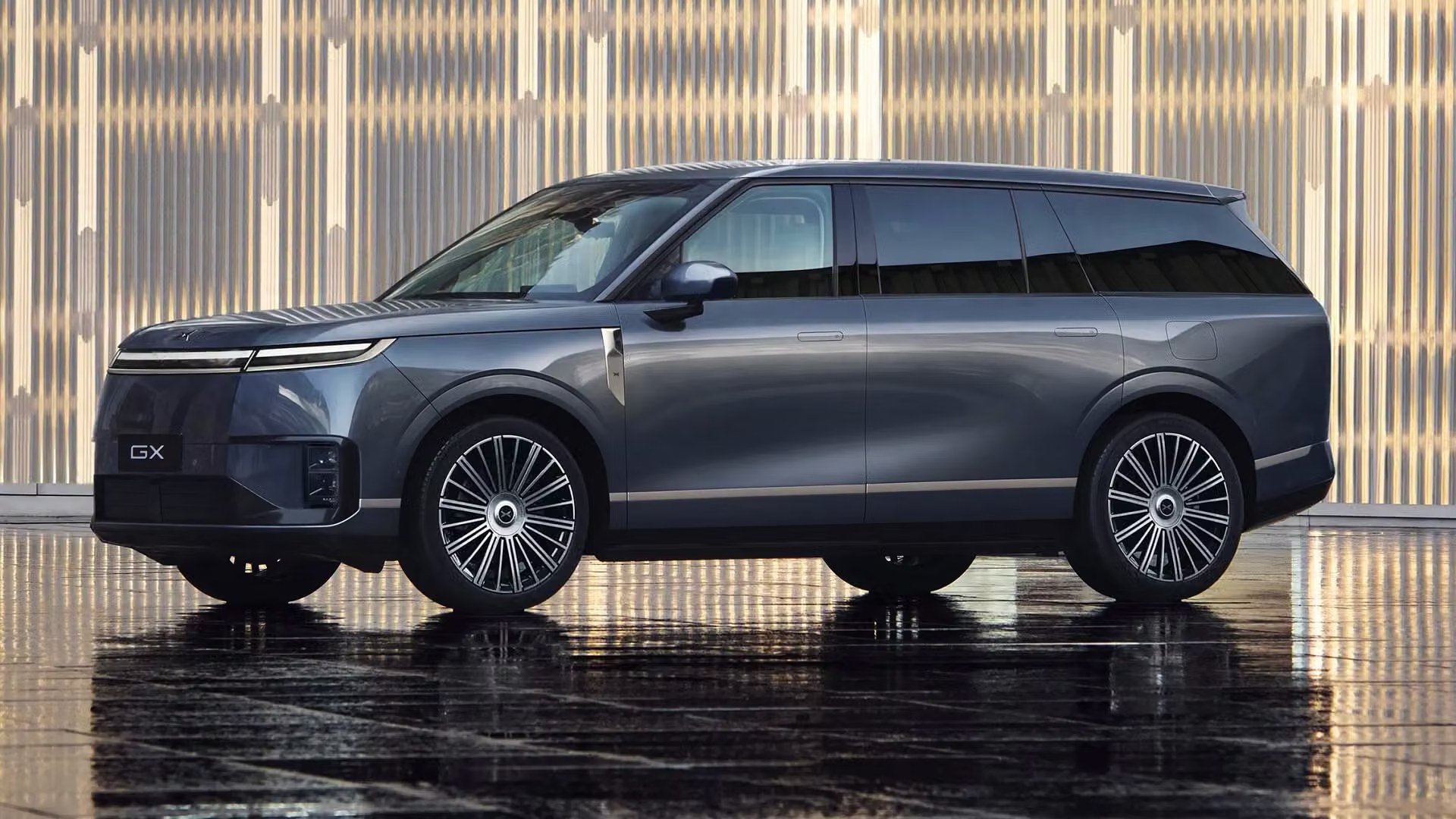
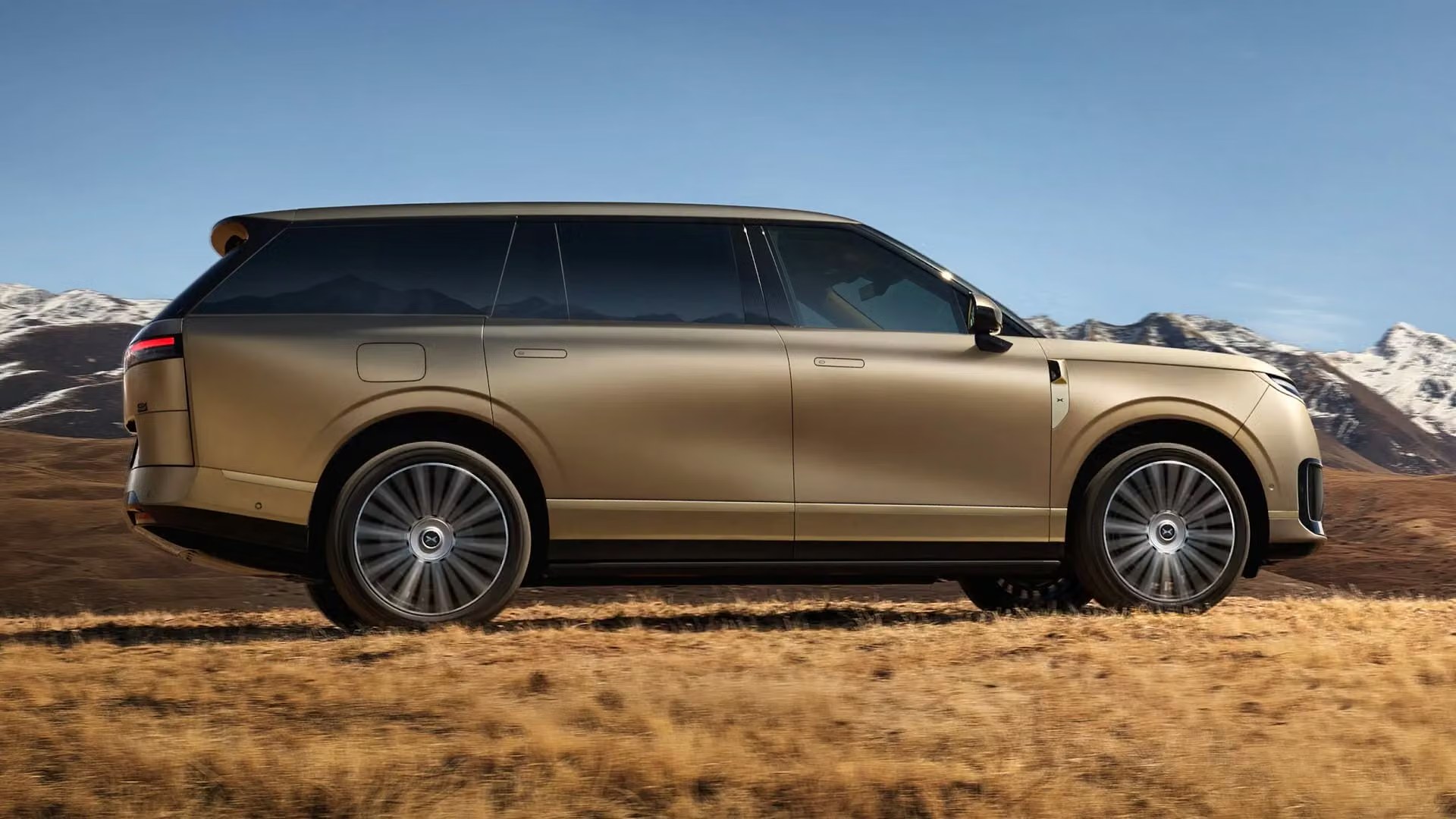
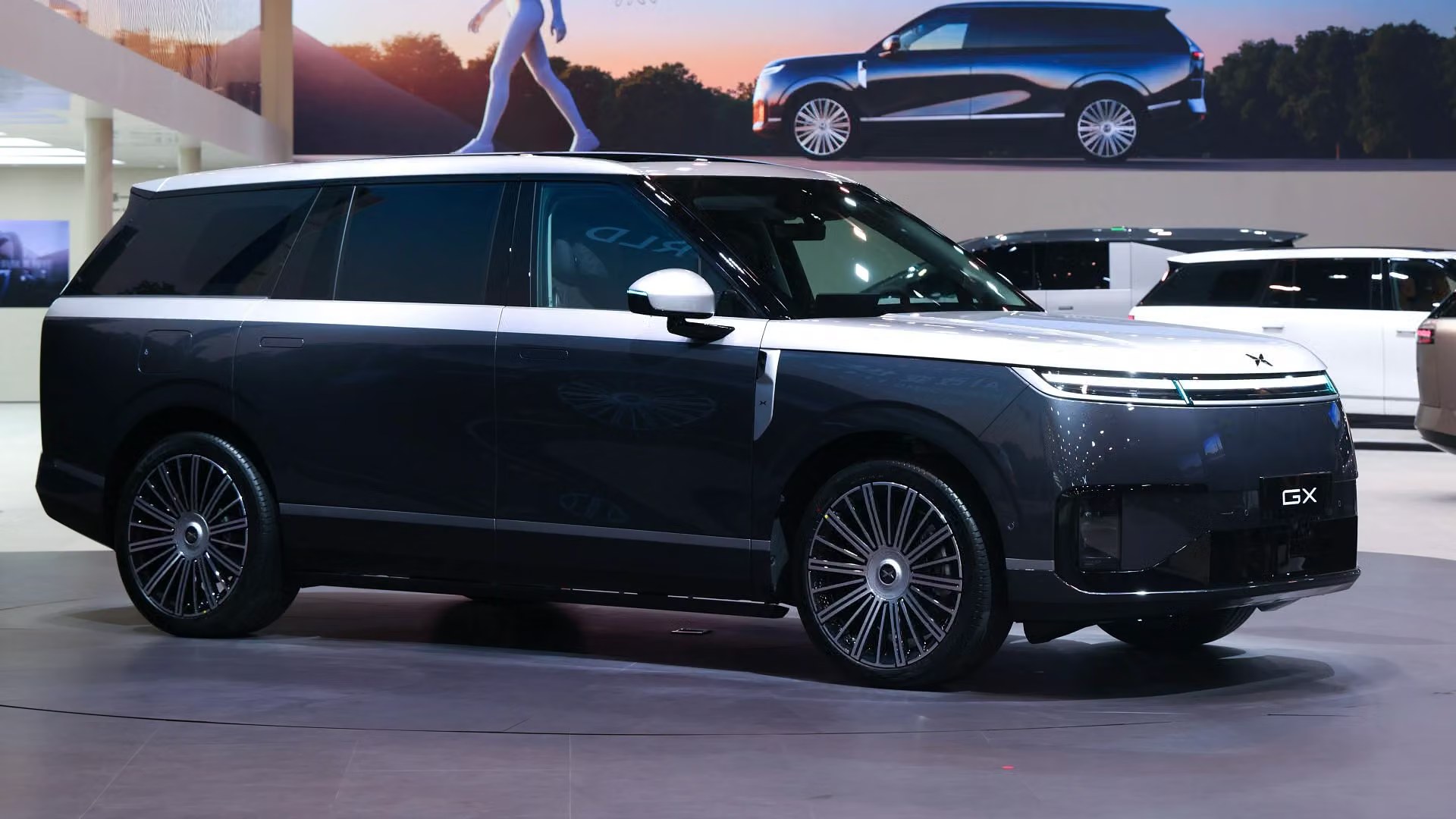
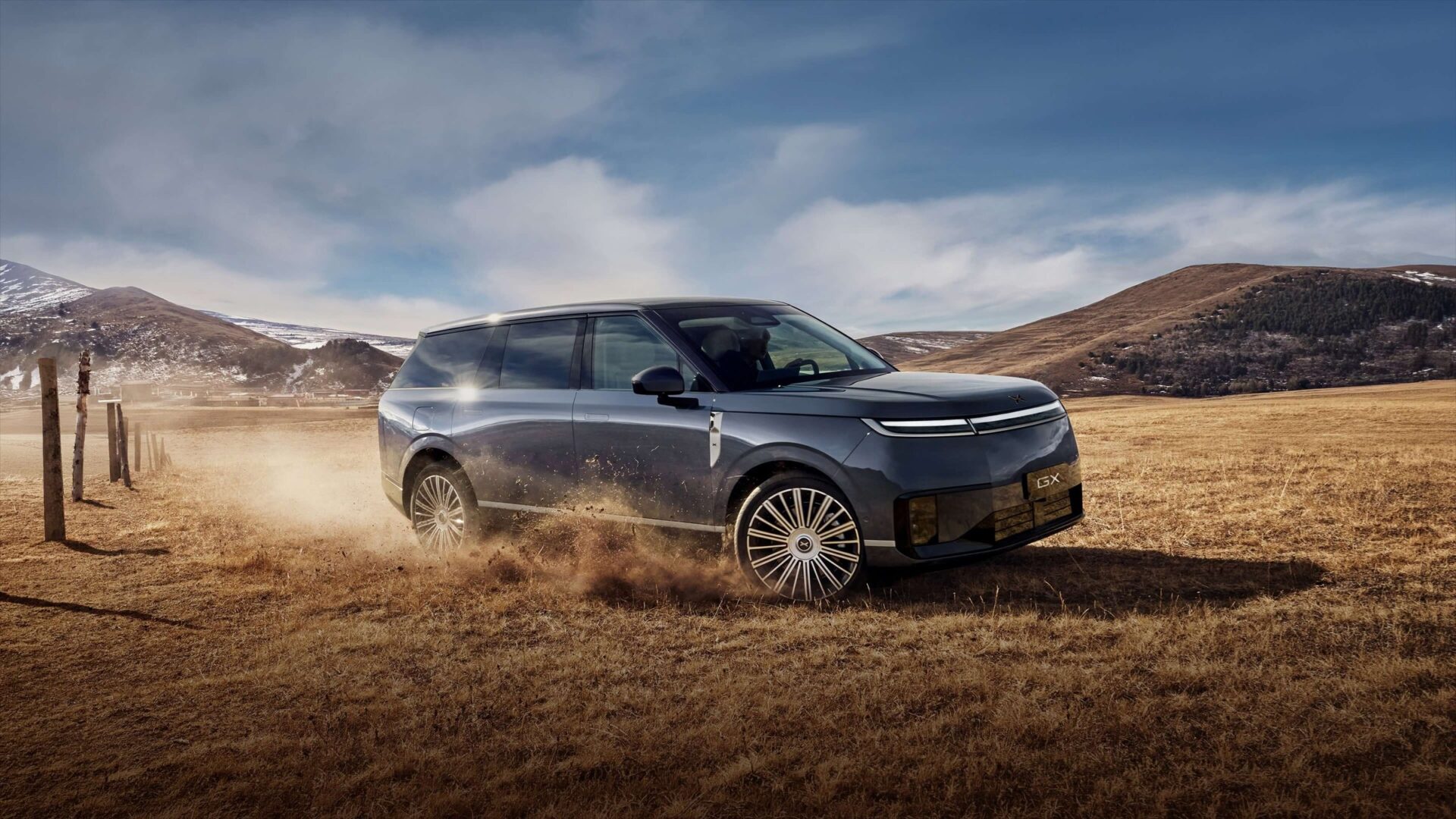
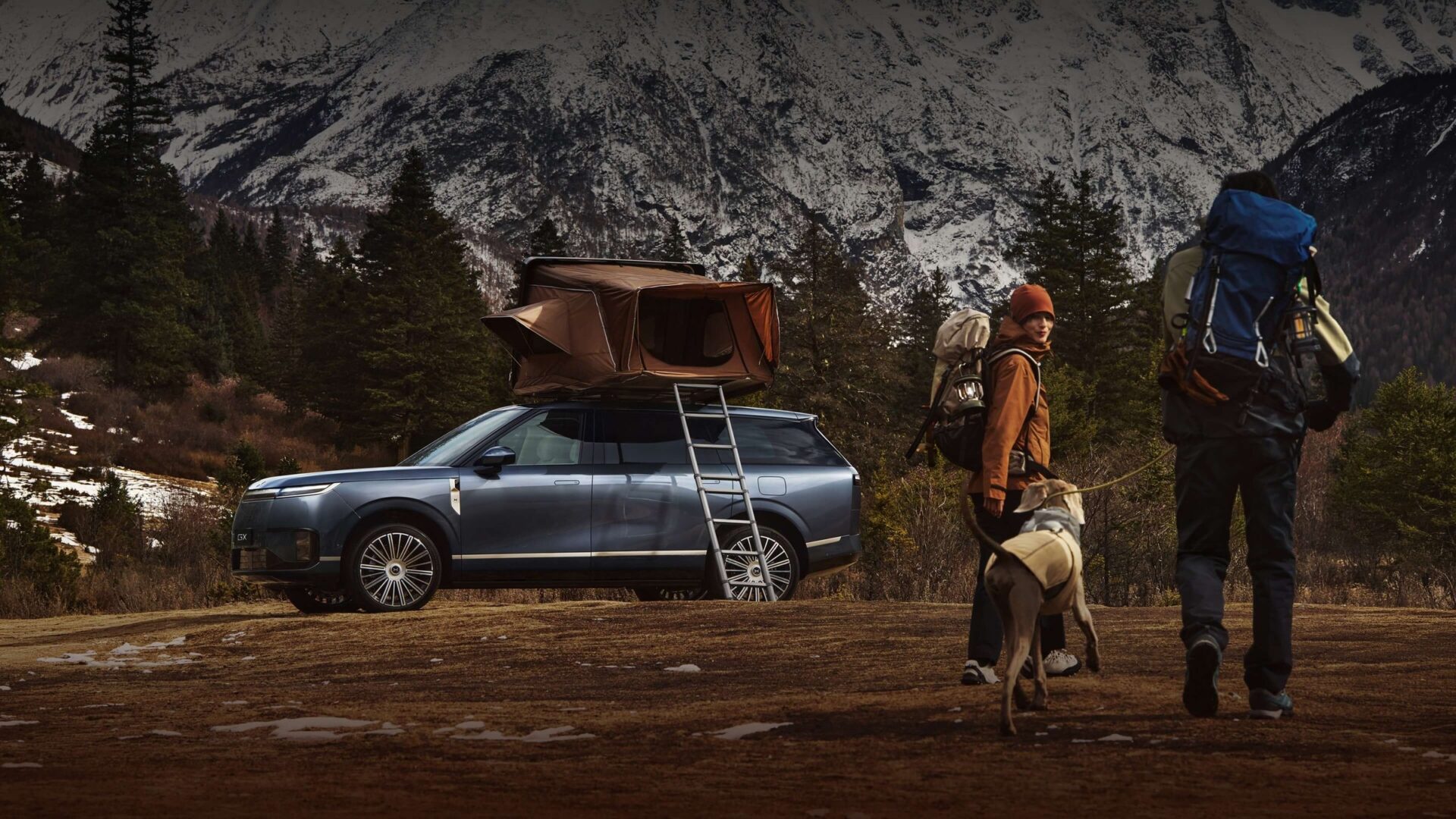
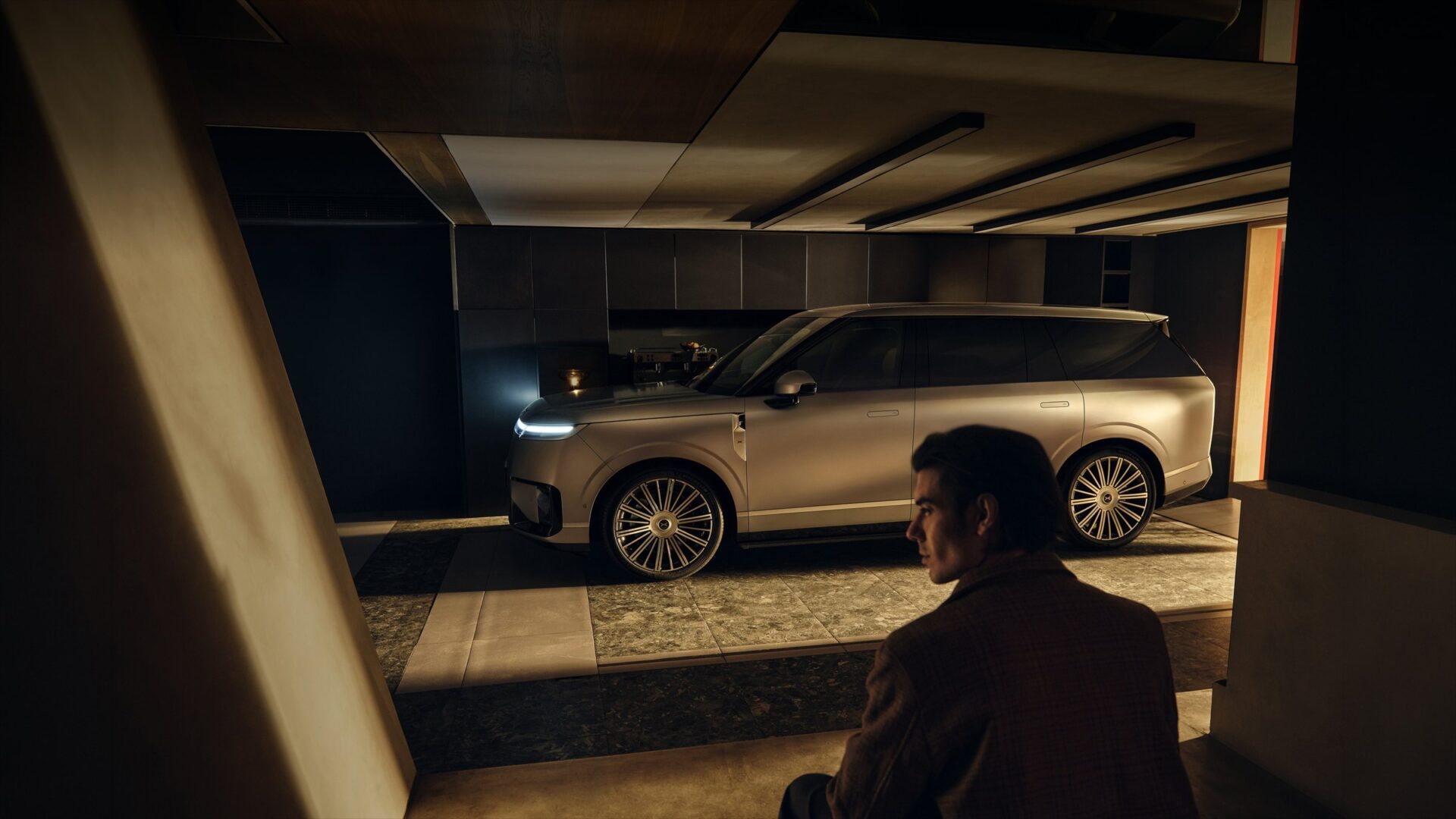
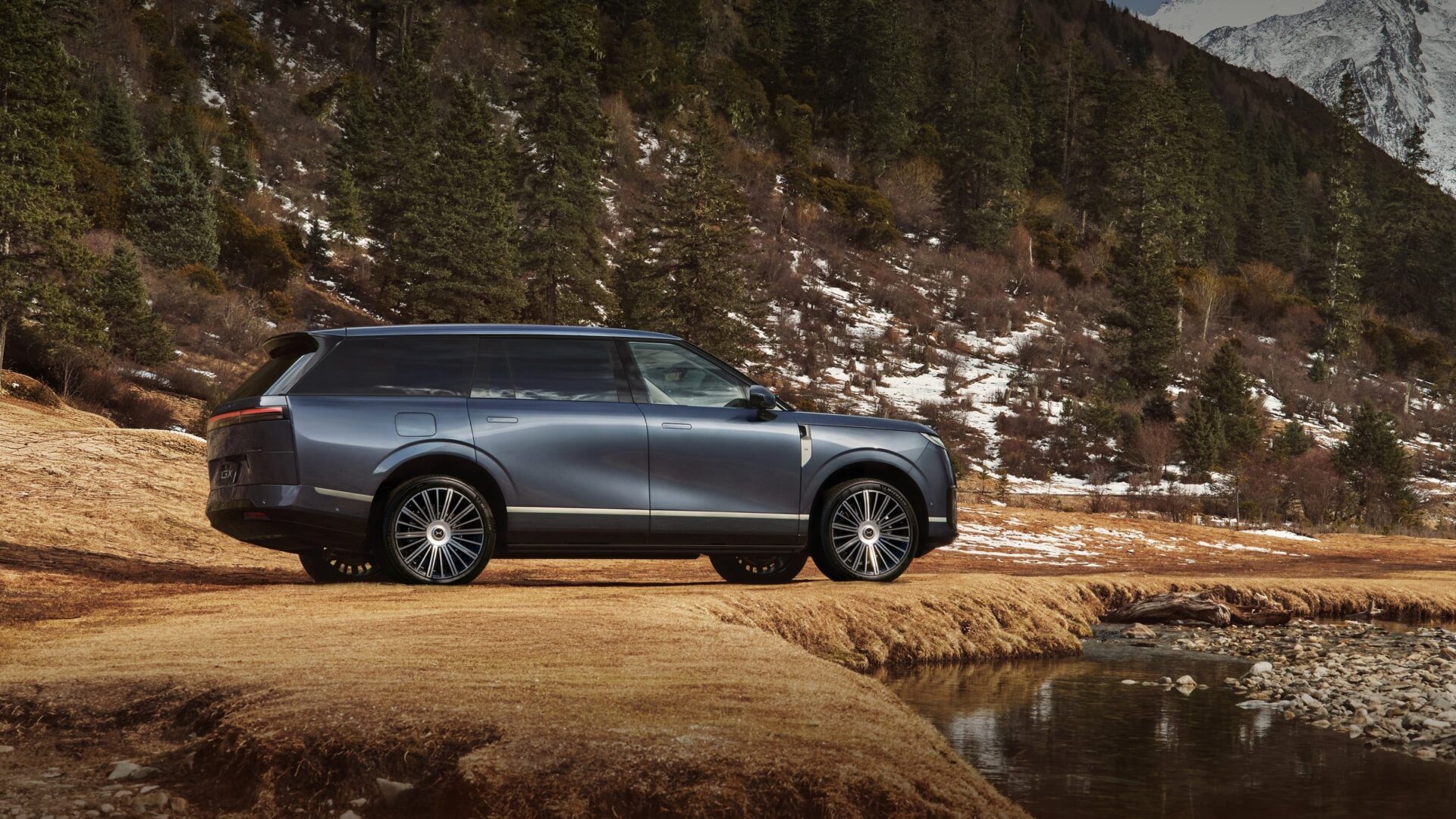
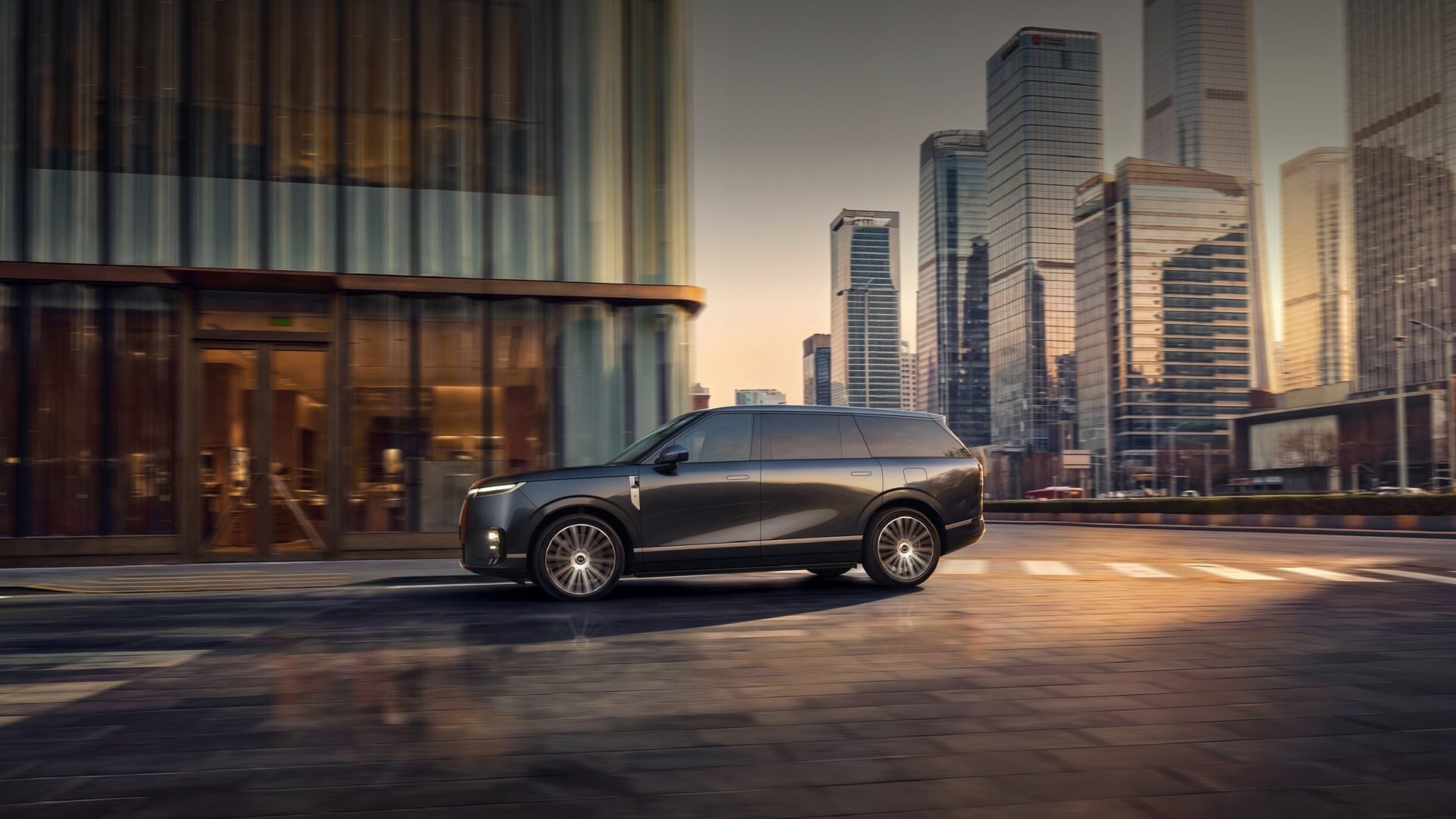
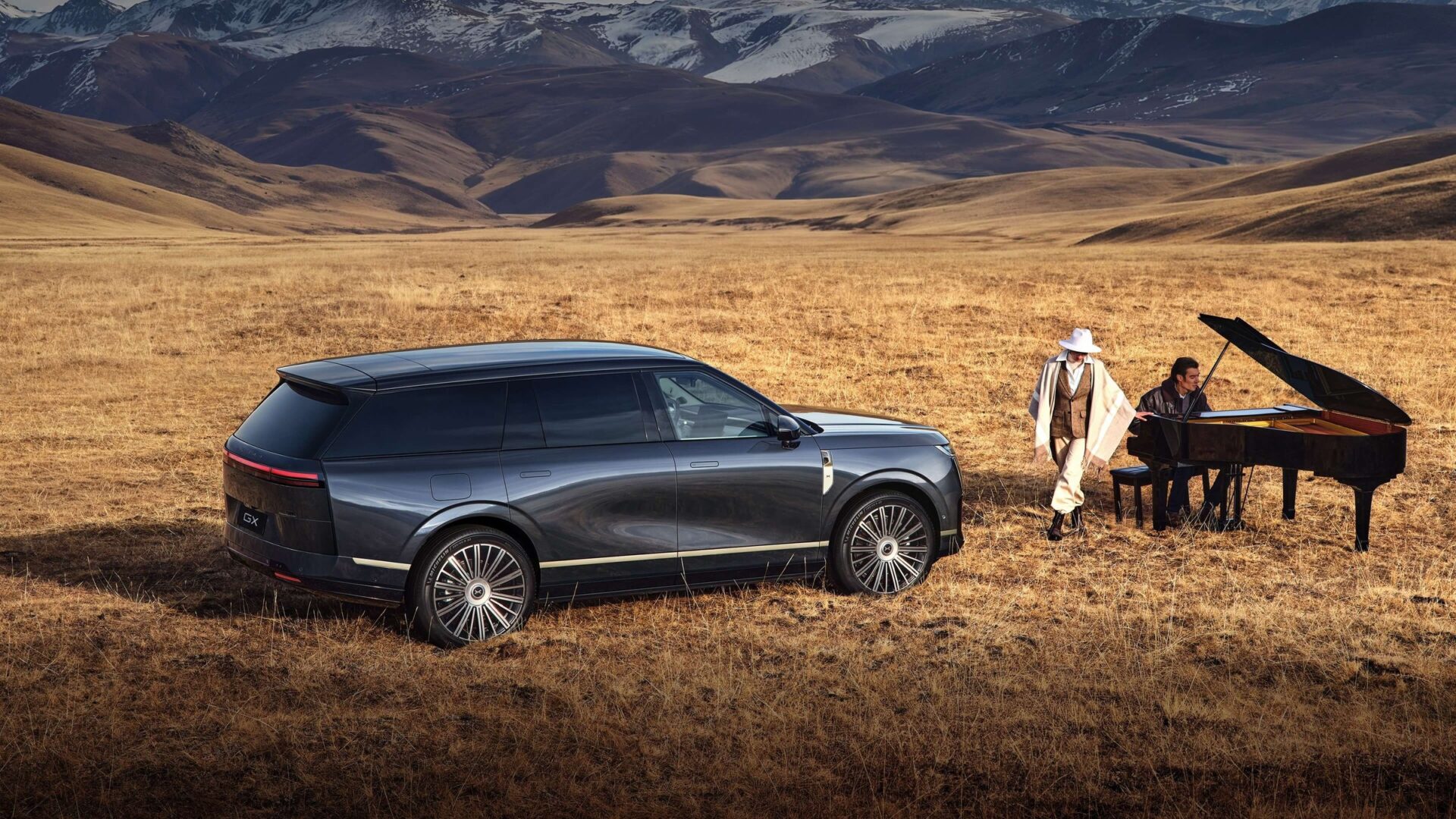
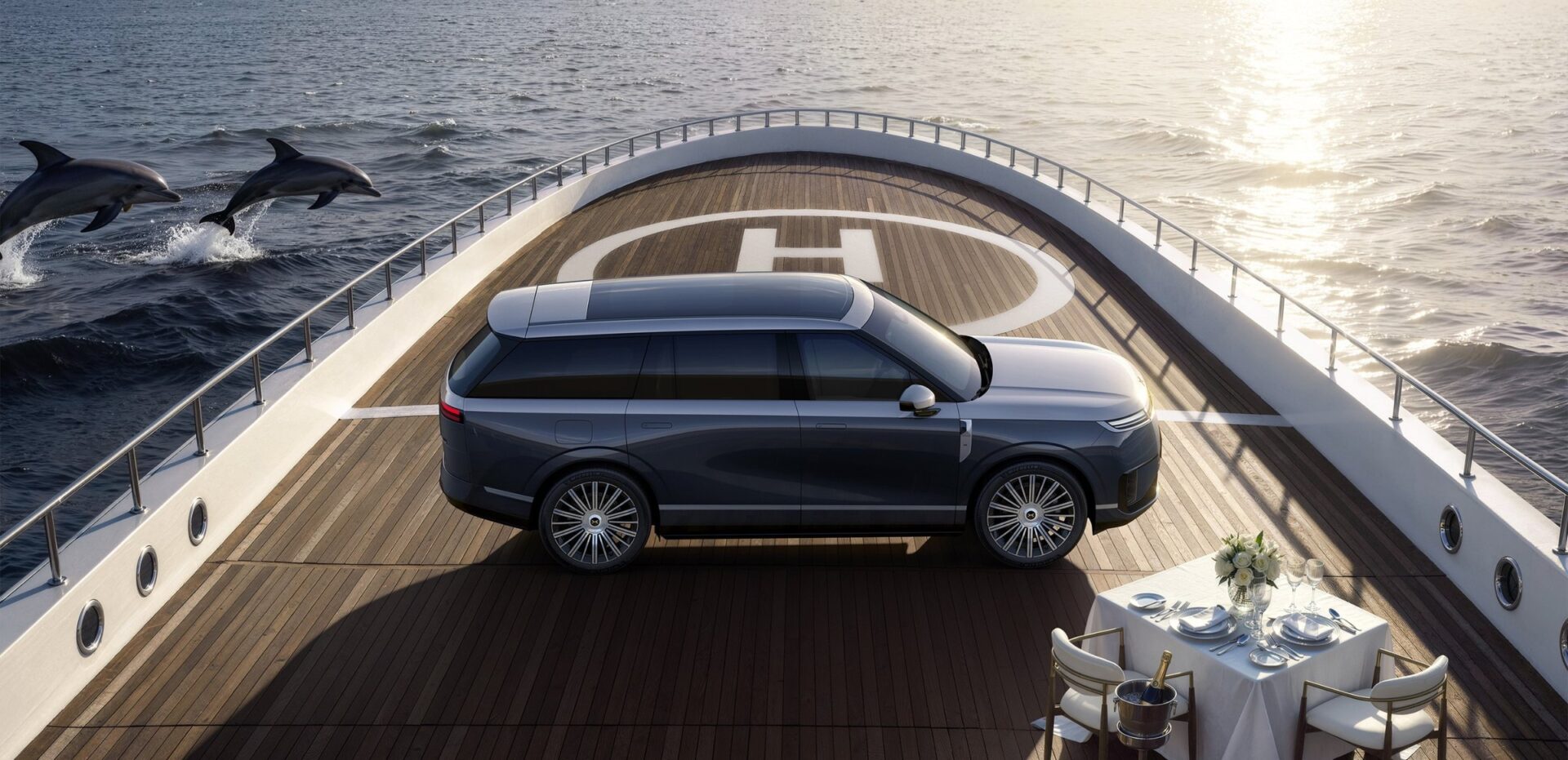
Cabin
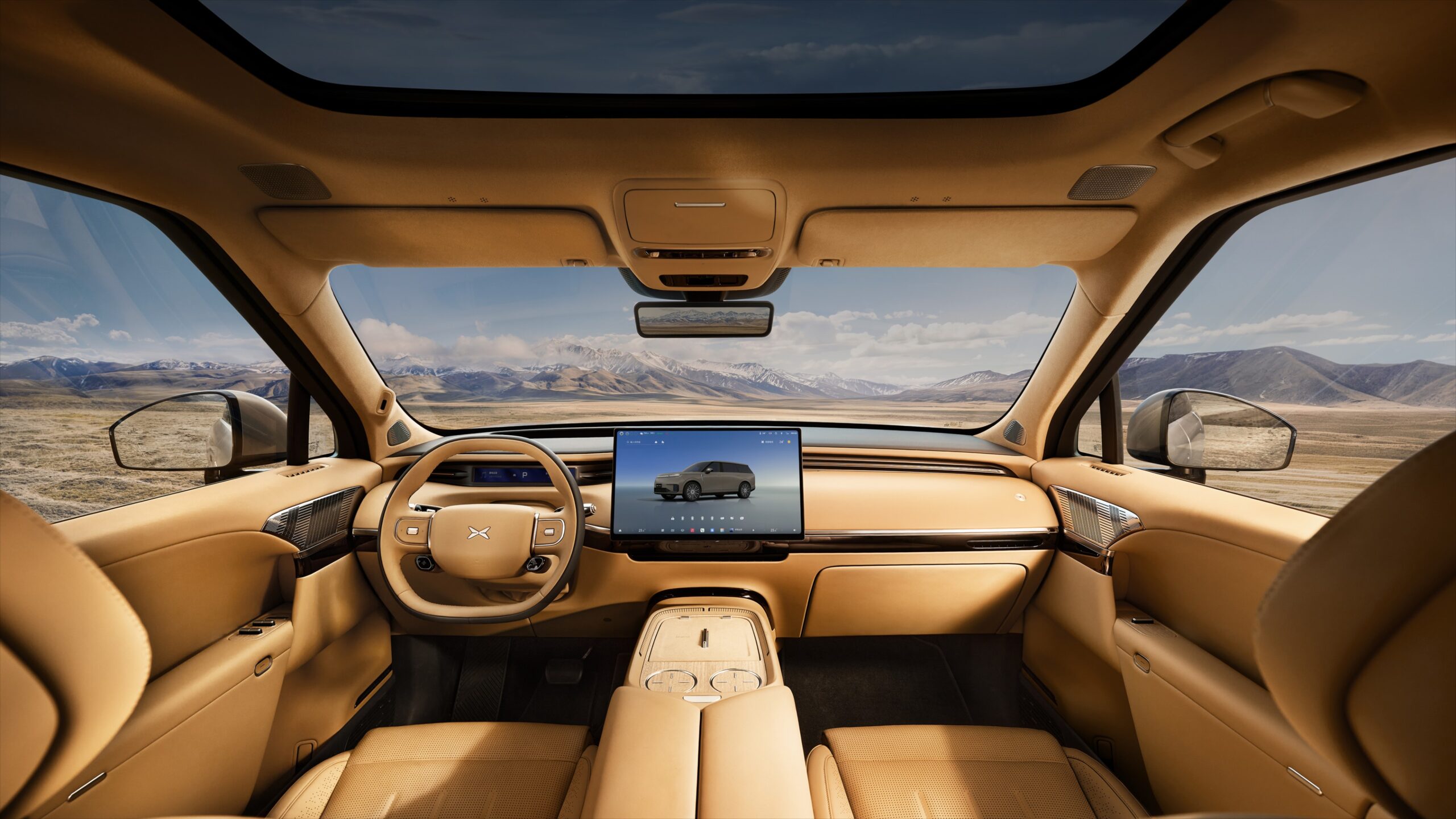
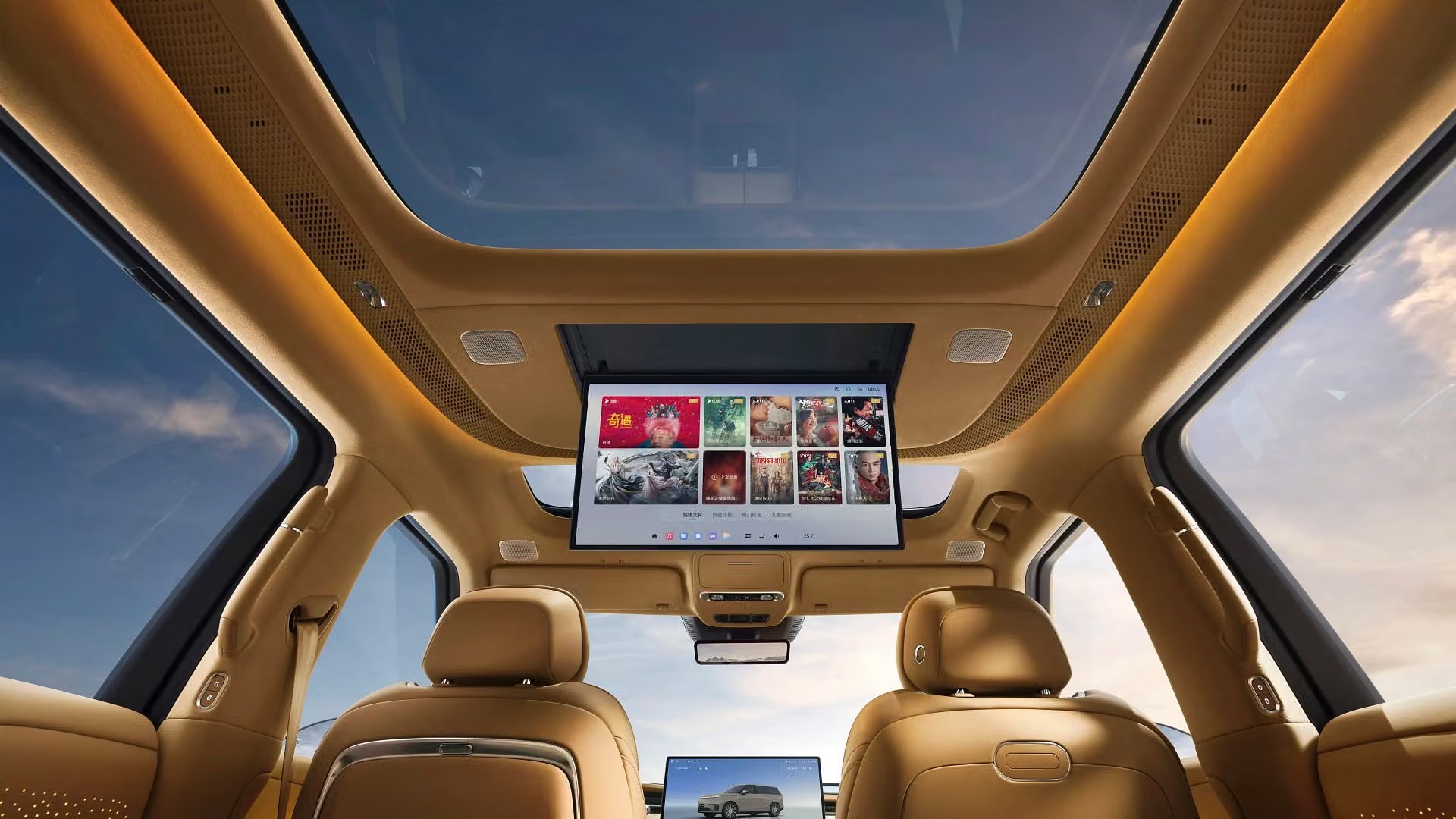
21.4-inch 3K entertainment screen - Rheinland low-blue-light certification; easier on the eyes.
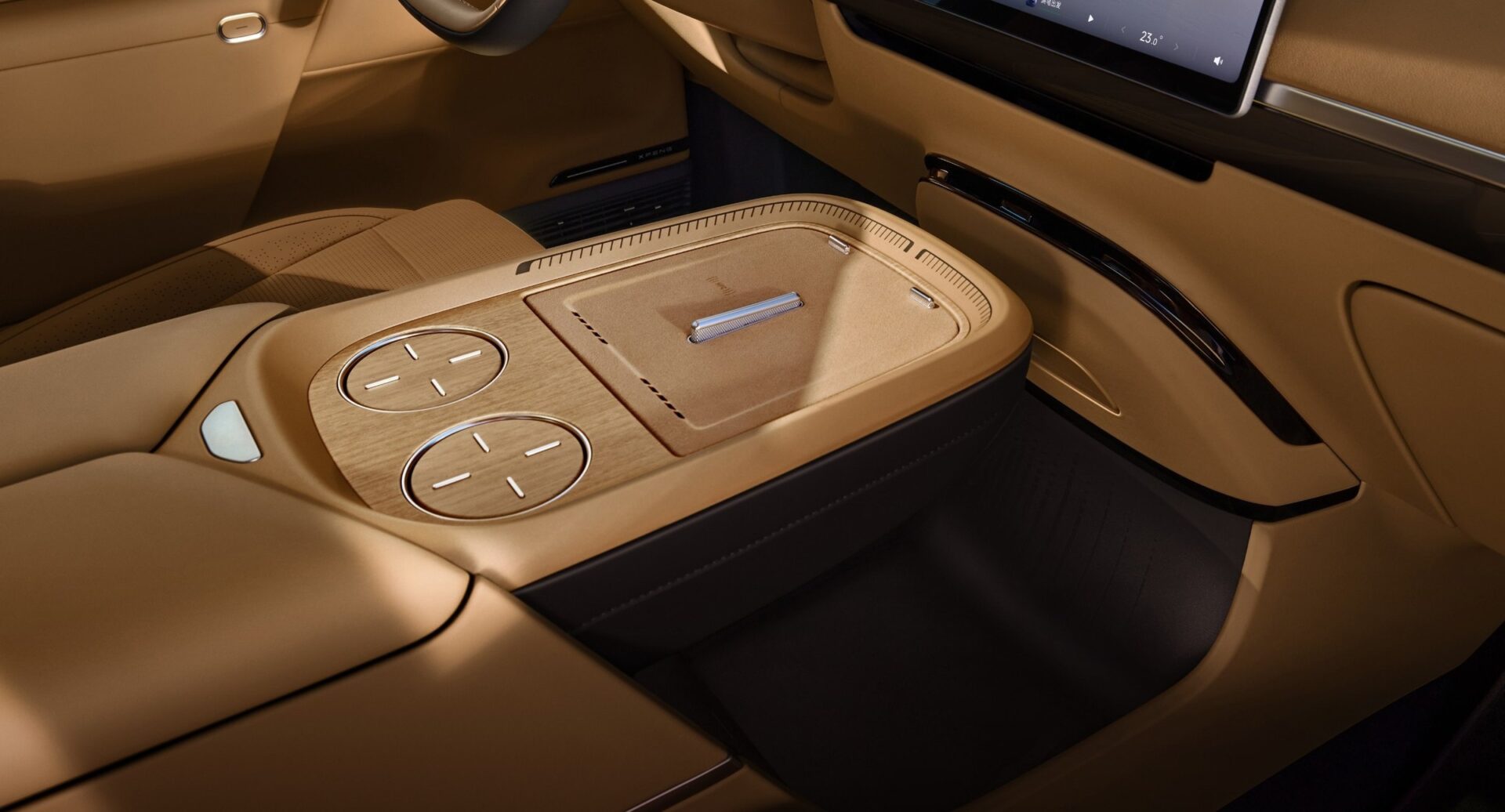
Navigation floating island - more storage space; smart lift-up wireless charger and hidden cup holders.
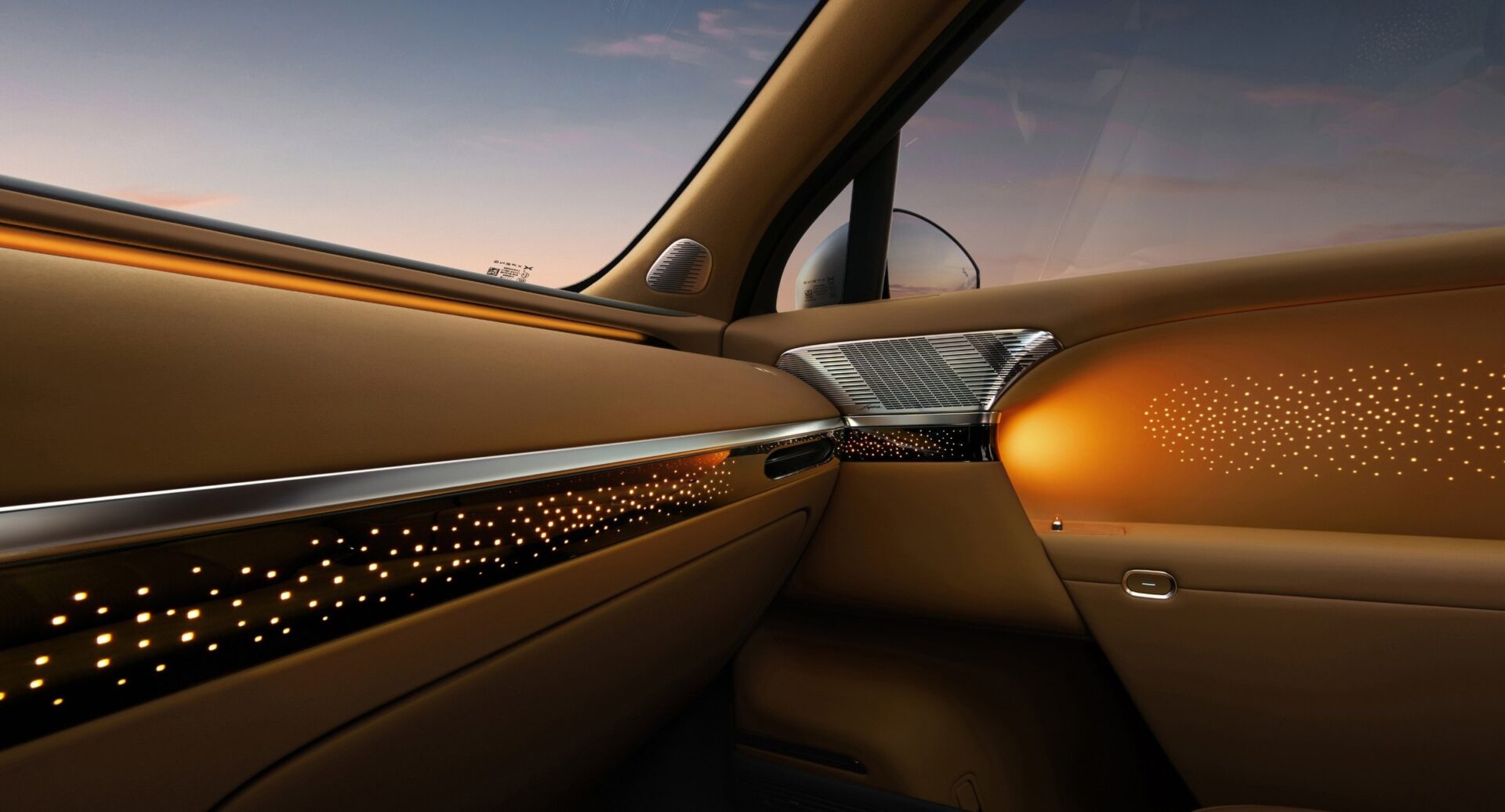
Starry-sky door panel - meteor-trail light strip; star dots shine through the surface when lit.
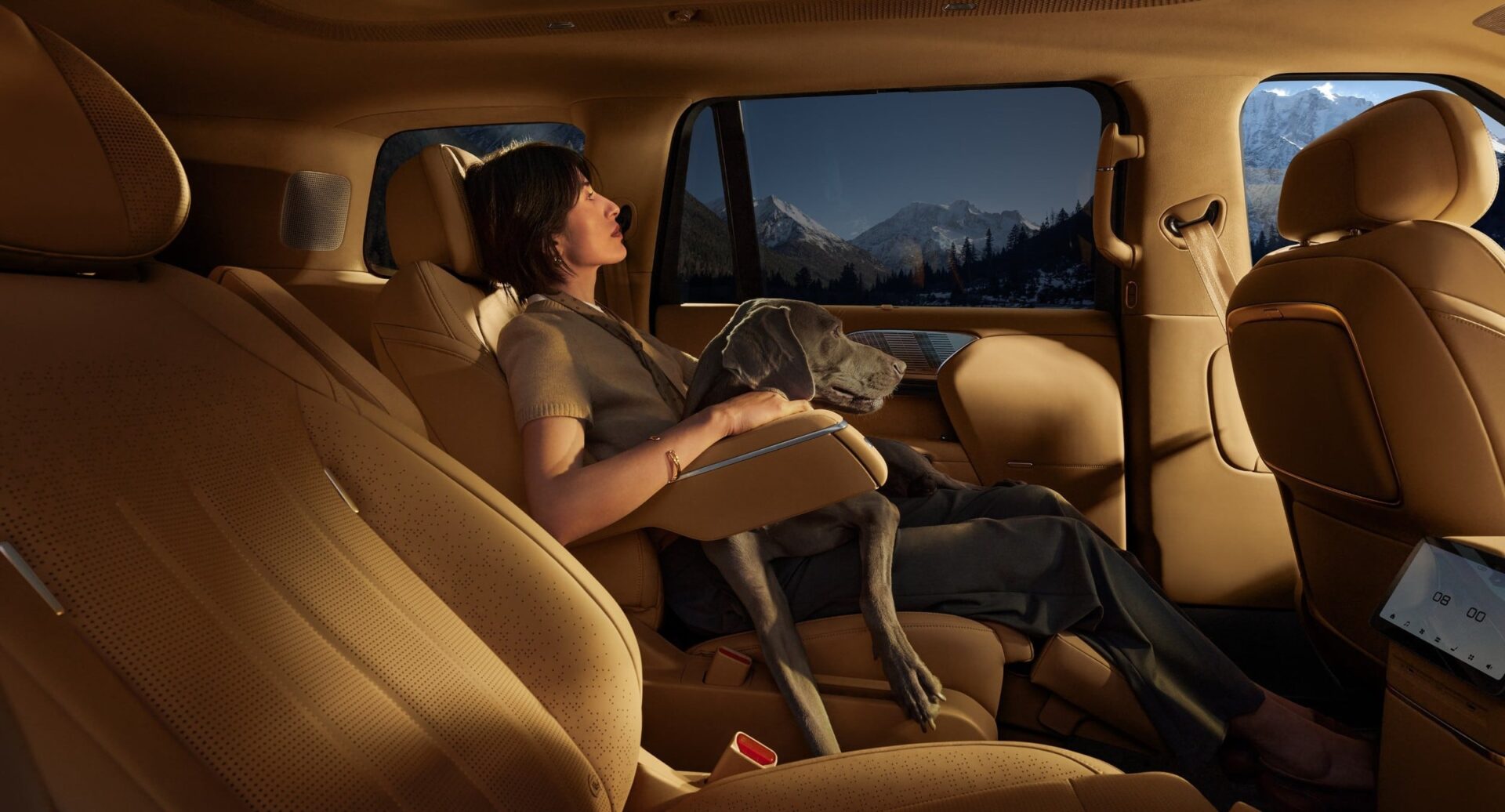
Second-row left flying comfort seat - 16-point massage · 12-way power adjust · 3-level vent/heat · heated leg rest.
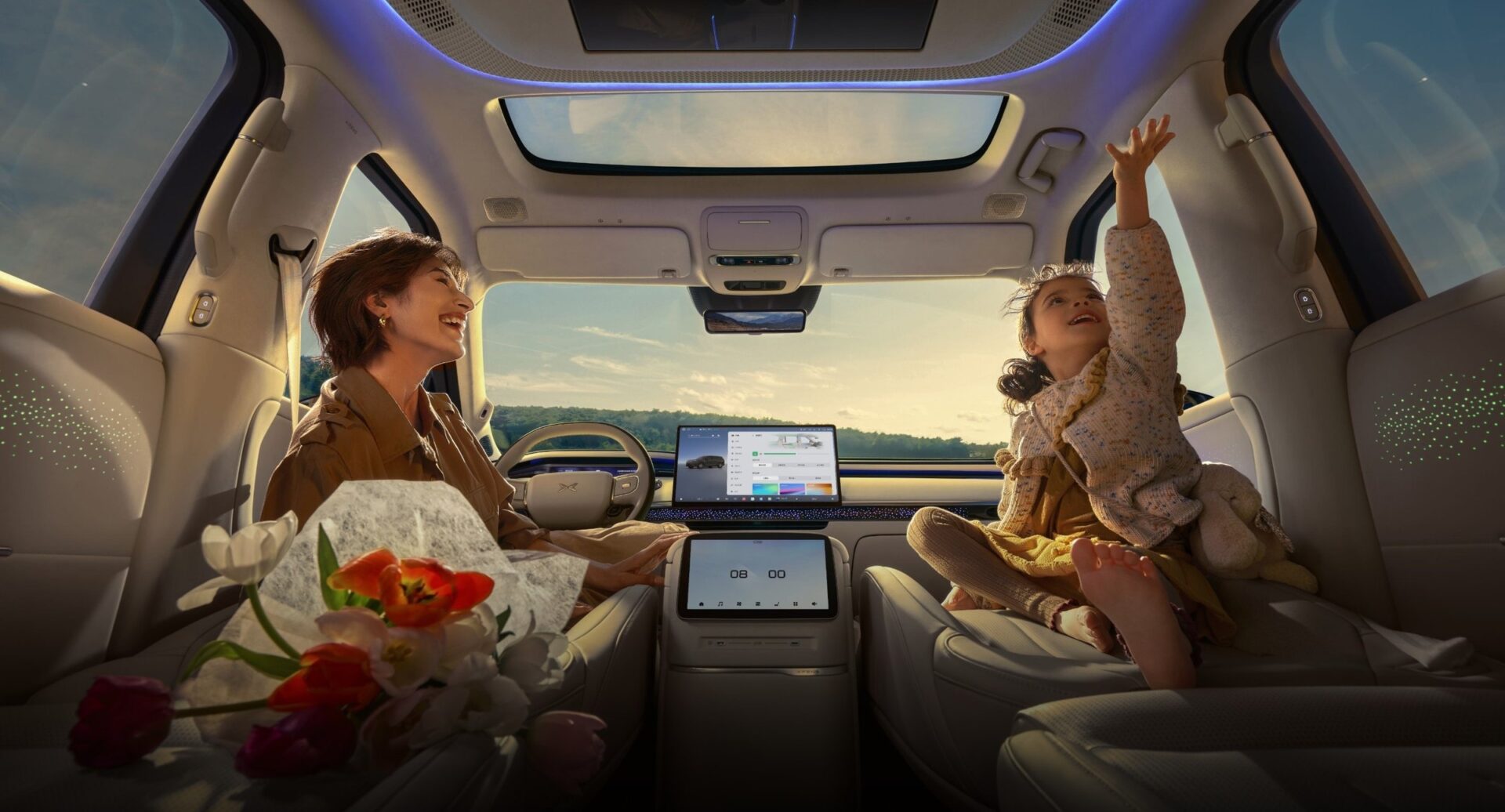
Quiet Gentle Breeze central air conditioning 2.0 - Forest Breeze AI A/C; auto airflow, larger field, faster cooling, smaller temperature delta, lower energy use.
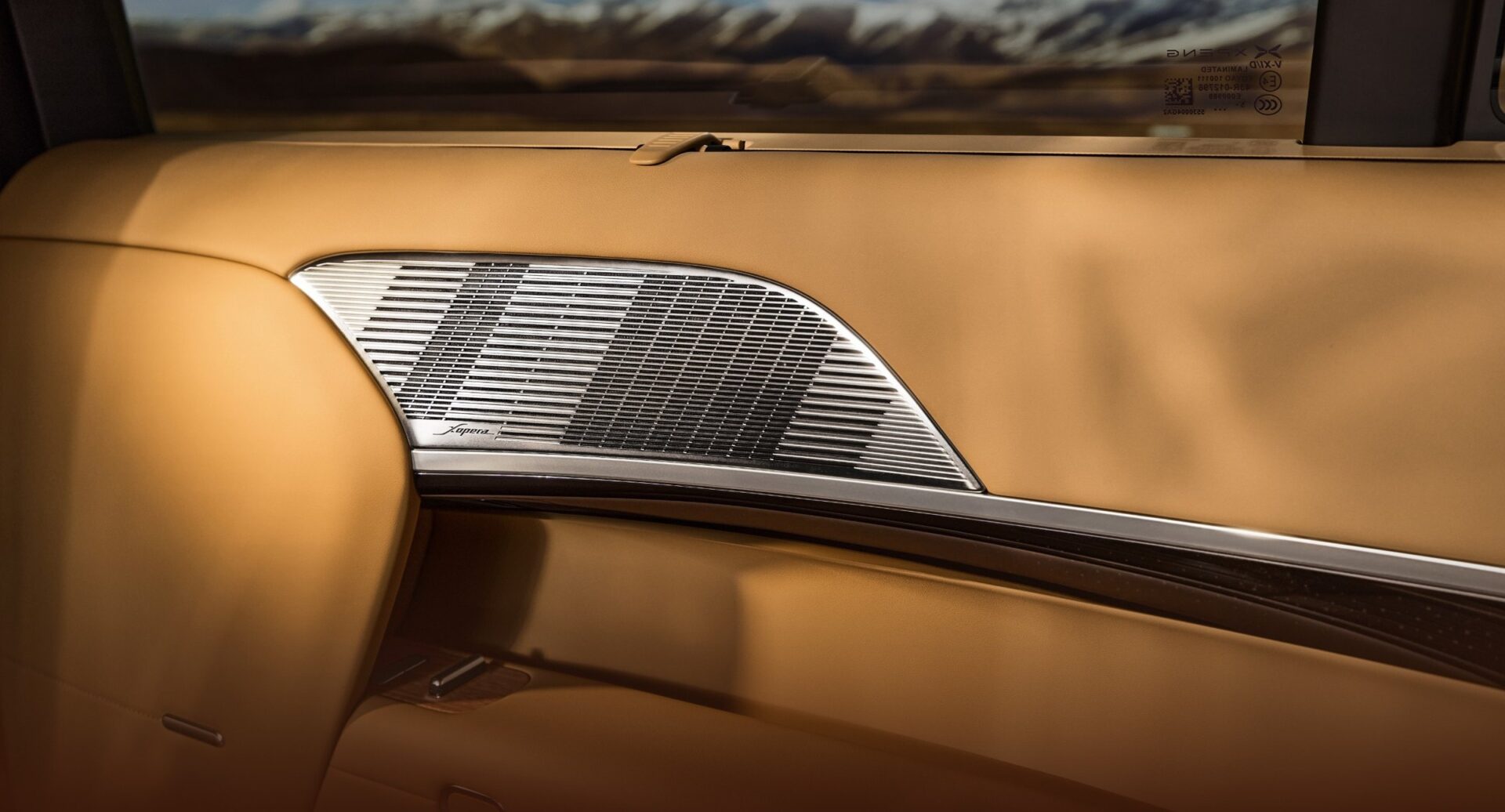
Lingjing AI Audio Max - 33 HiFi speakers, independent audio daughter card and power amplifier; 7.1.6.8 immersive surround.
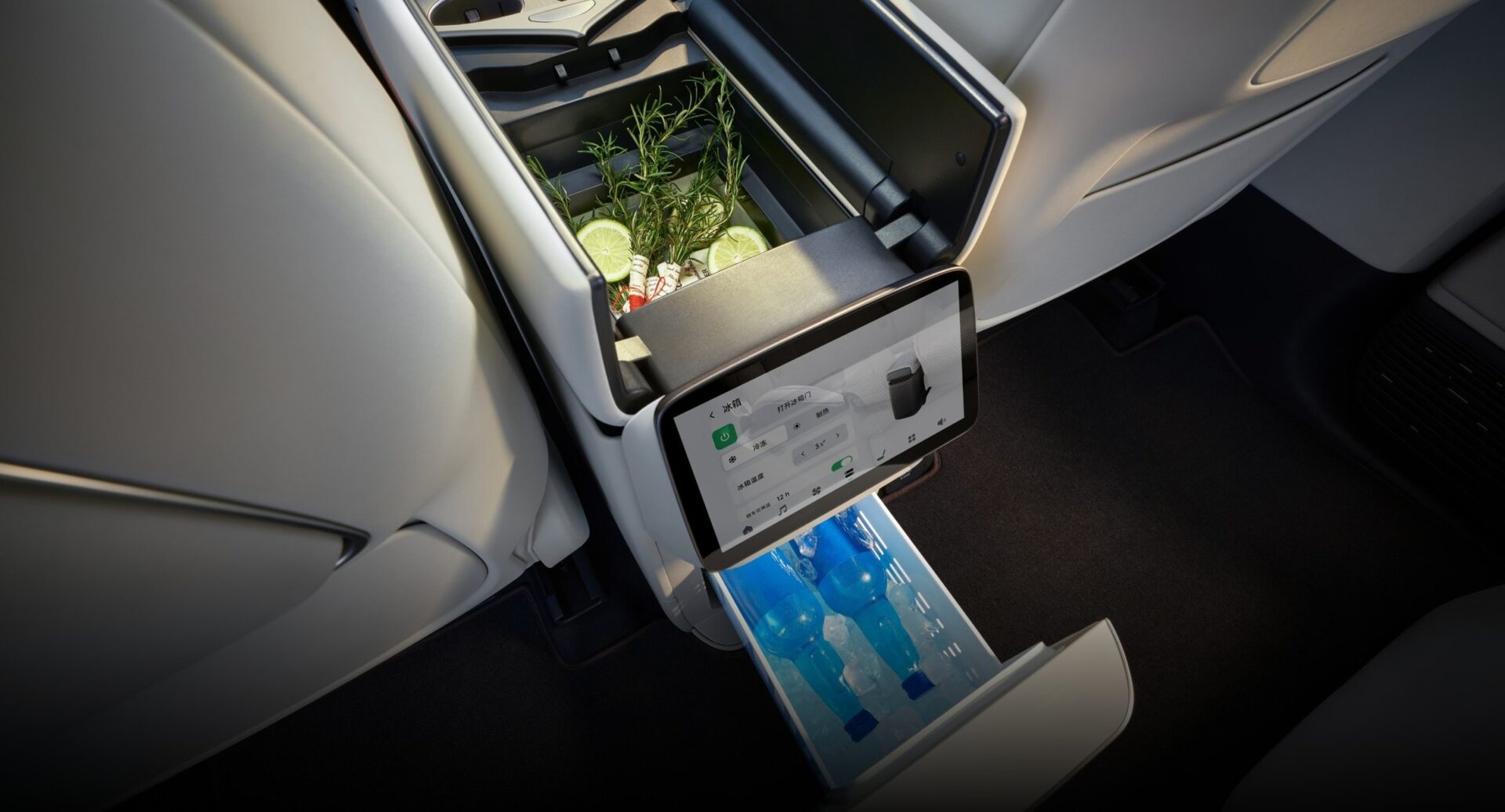
Dual-door dual-zone cabin fridge - Midea PST sterilisation; 9-minute odour removal, 99.99% bacteria kill (XPENG marketing).
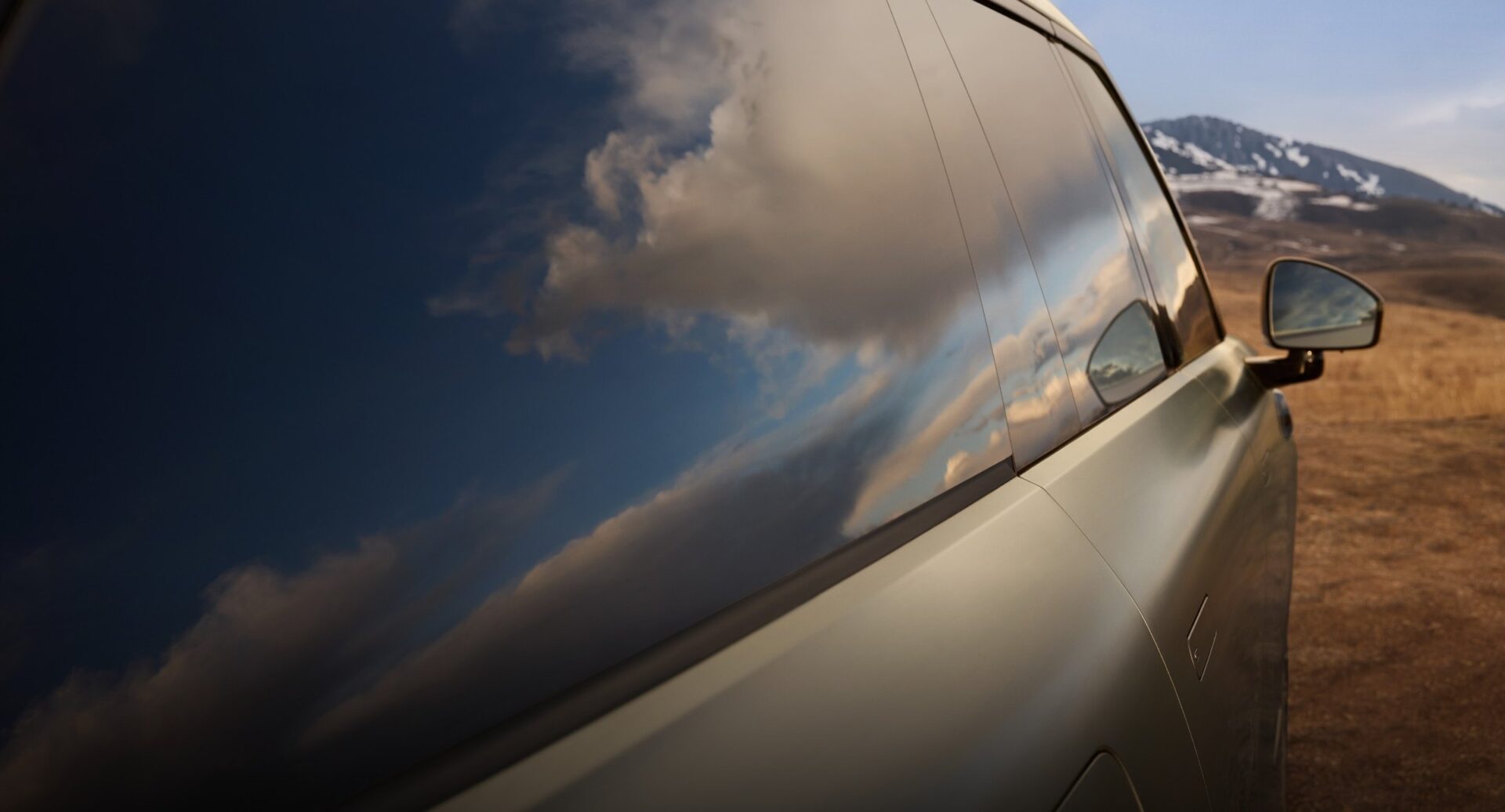
AI-dimmed privacy glass - one-way light-curtain tech; 0.16 s response, 99.9% UV block, second and third rows fully covered; stepless intelligent dimming.
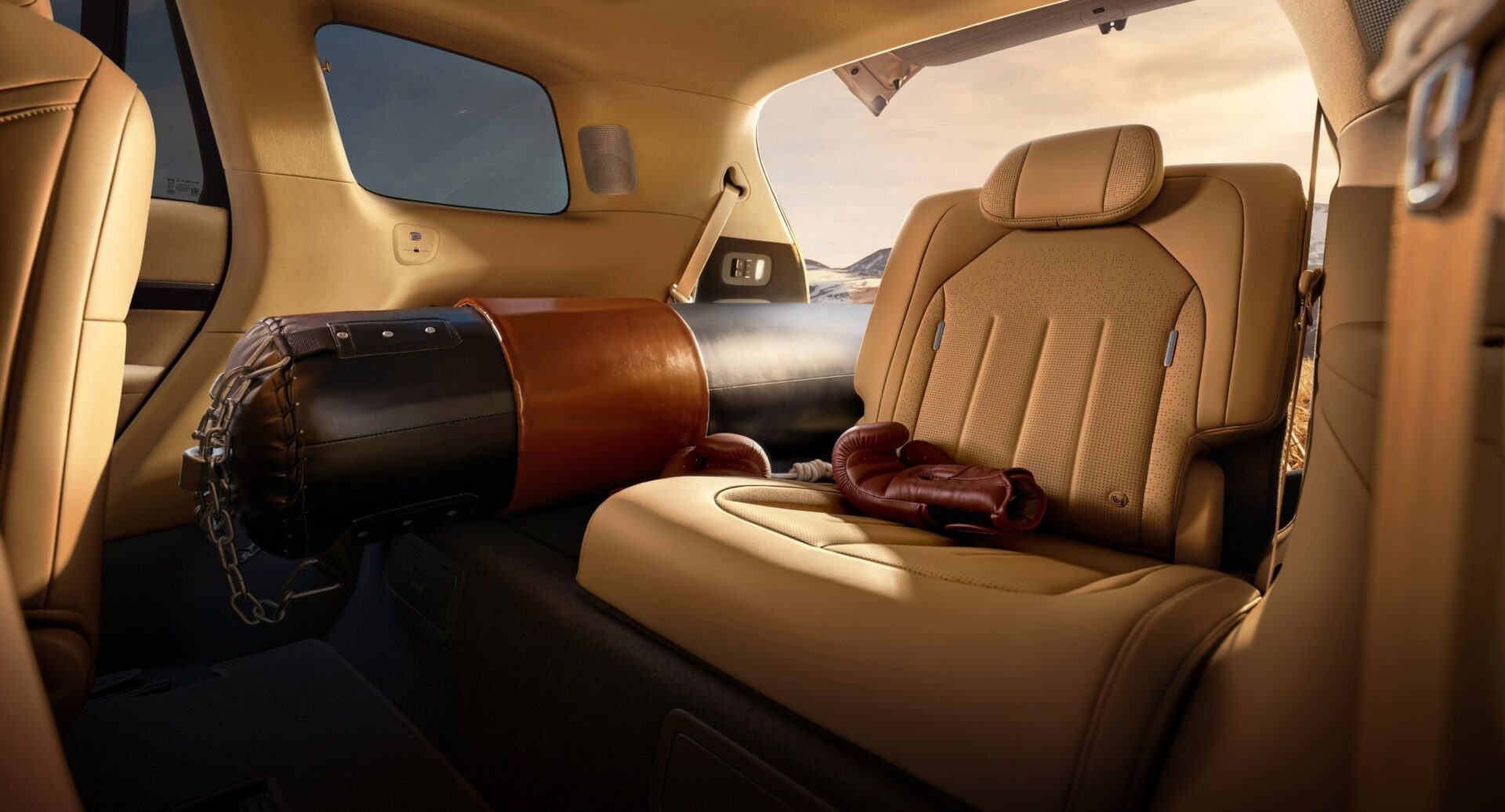
Super spacious six-seater, travel freedom - room for each of six 24″ suitcases.
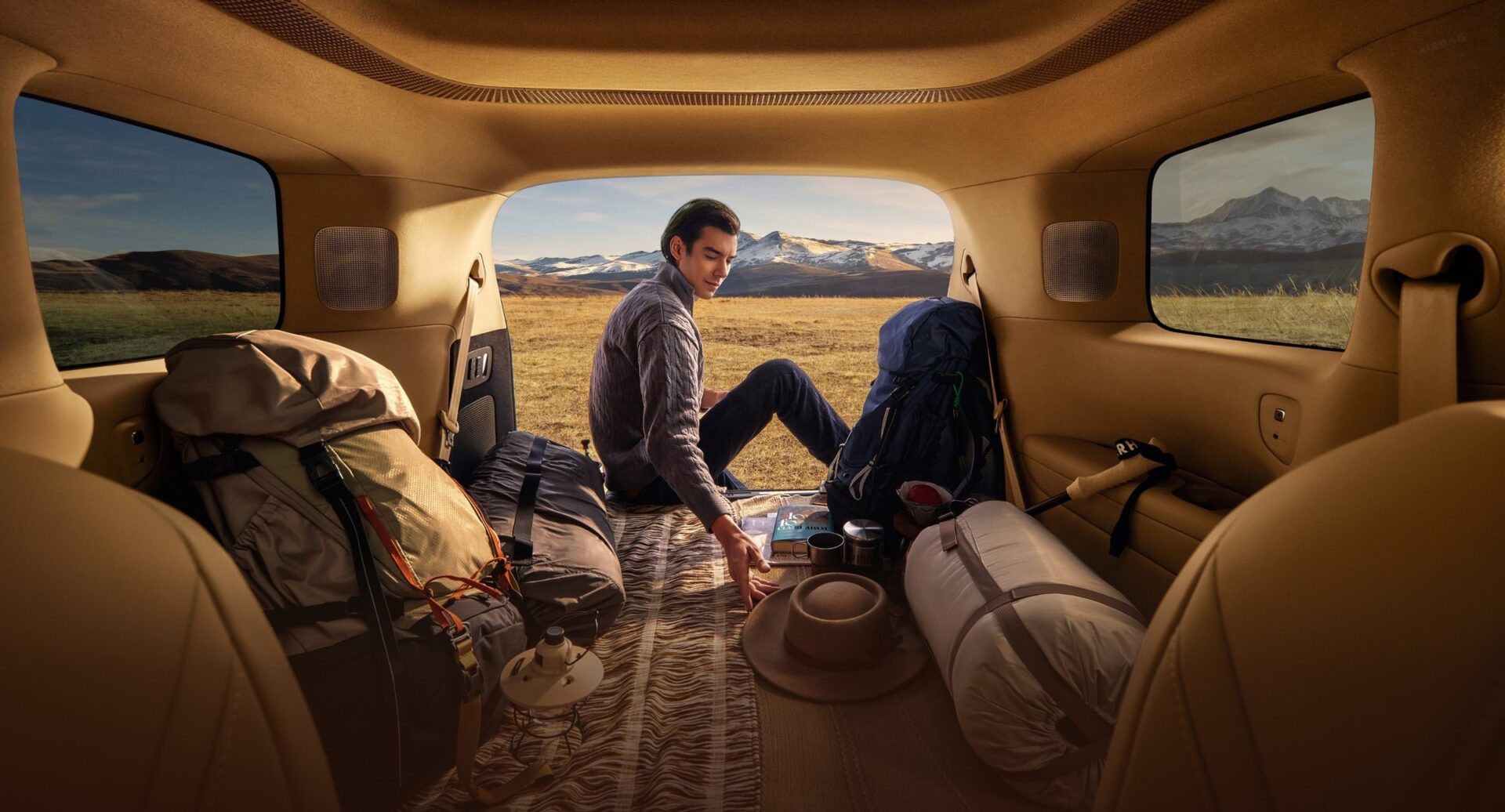
Super spacious four-seater, flat camping cabin.
AI & VLA
Super AI Intelligence - Robotaxi peak 3,000 TOPS and second-generation VLA evolution (highway assist, voice control, intelligent light signals). China roadmap only - see XPENG Robotaxi for the fleet vehicle.
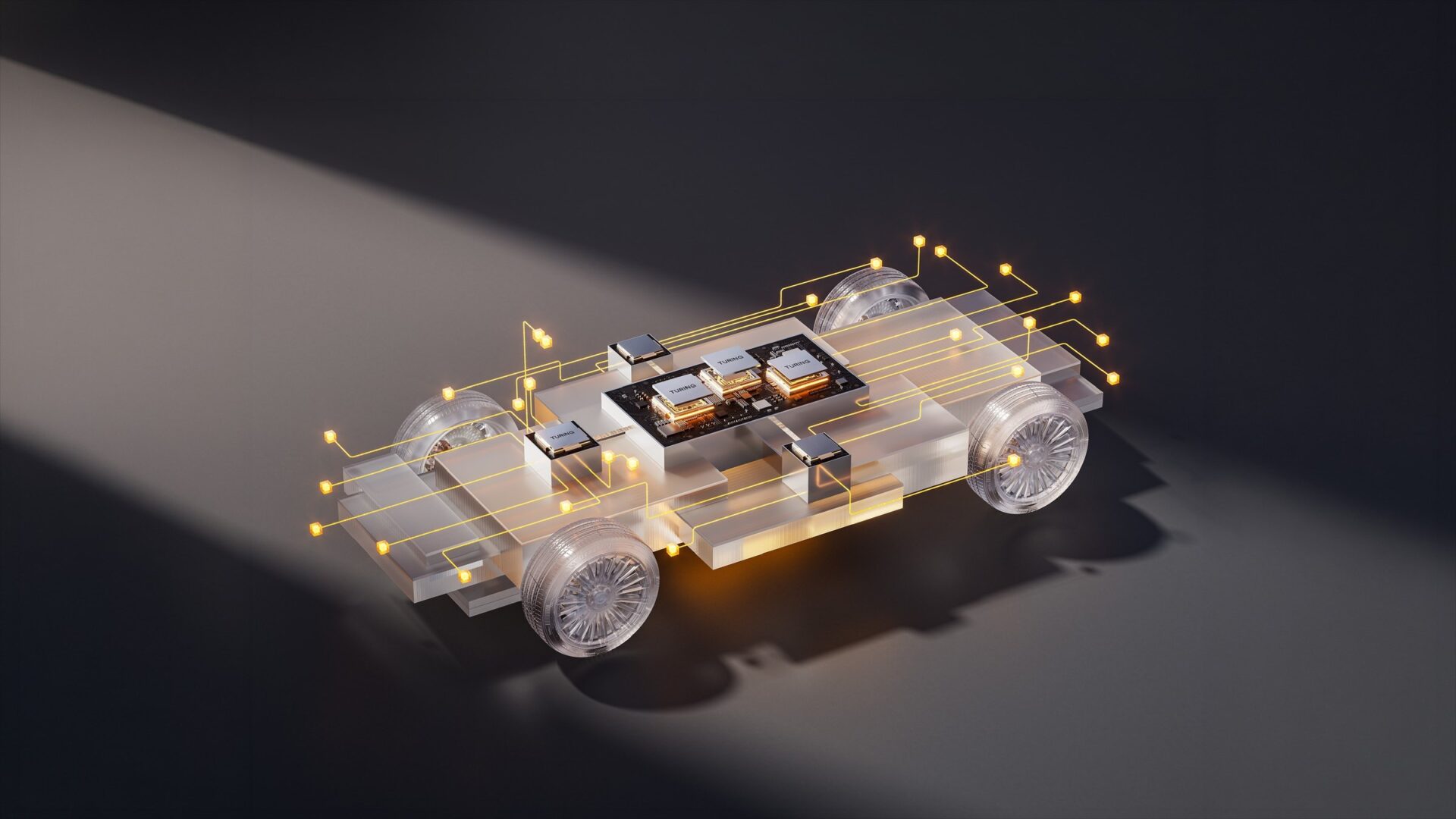
Up to four Turing AI chips - the Robotaxi version boasts peak computing power of 3,000 TOPS; XPENG says technical model validation continues to empower second-generation VLA (最高搭载四颗图灵AI芯片).
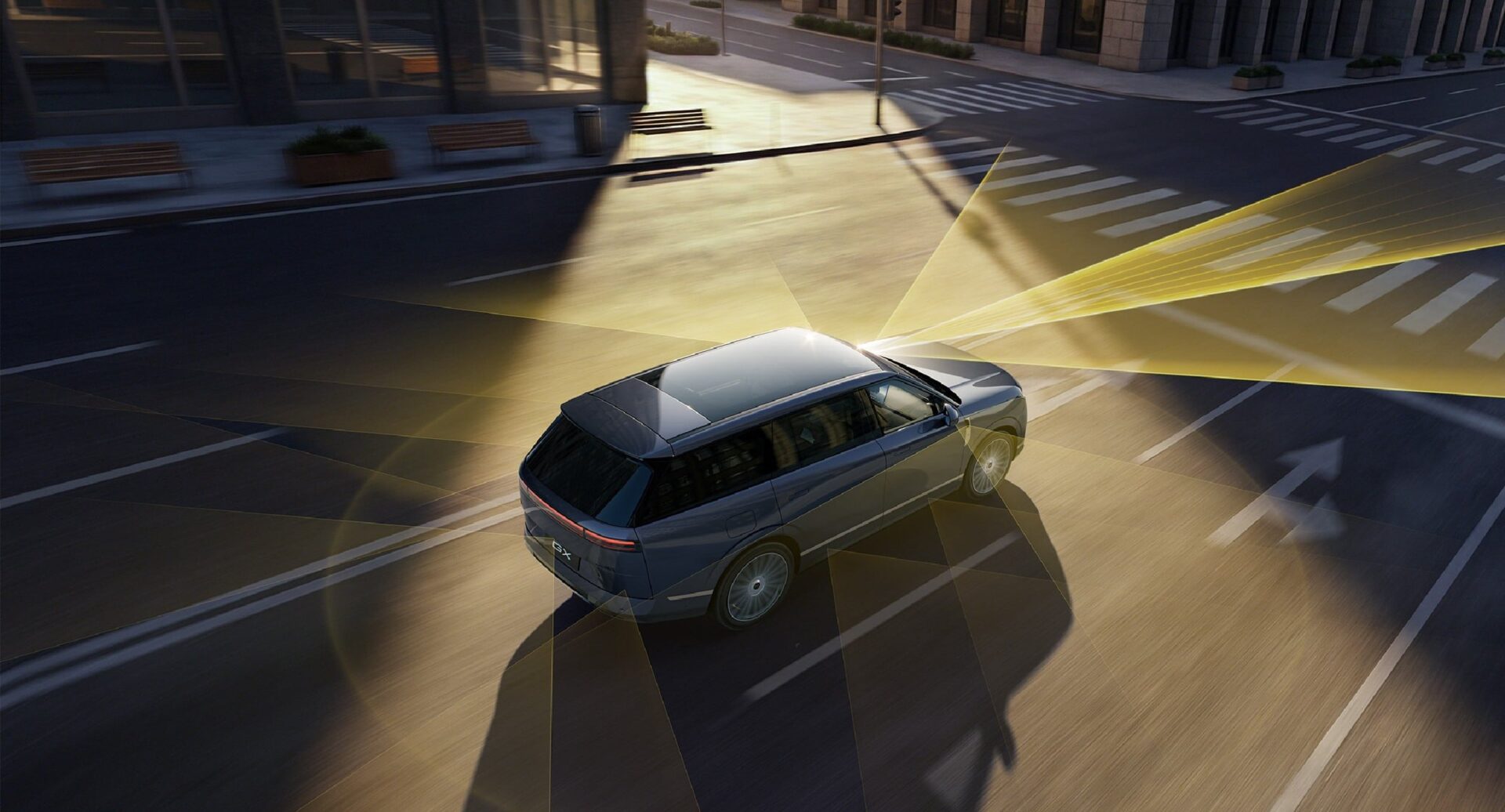
Second generation VLA - XPENG’s sensor-coverage visualisation in urban traffic (第二代VLA; XPENG marketing, not a measurement).
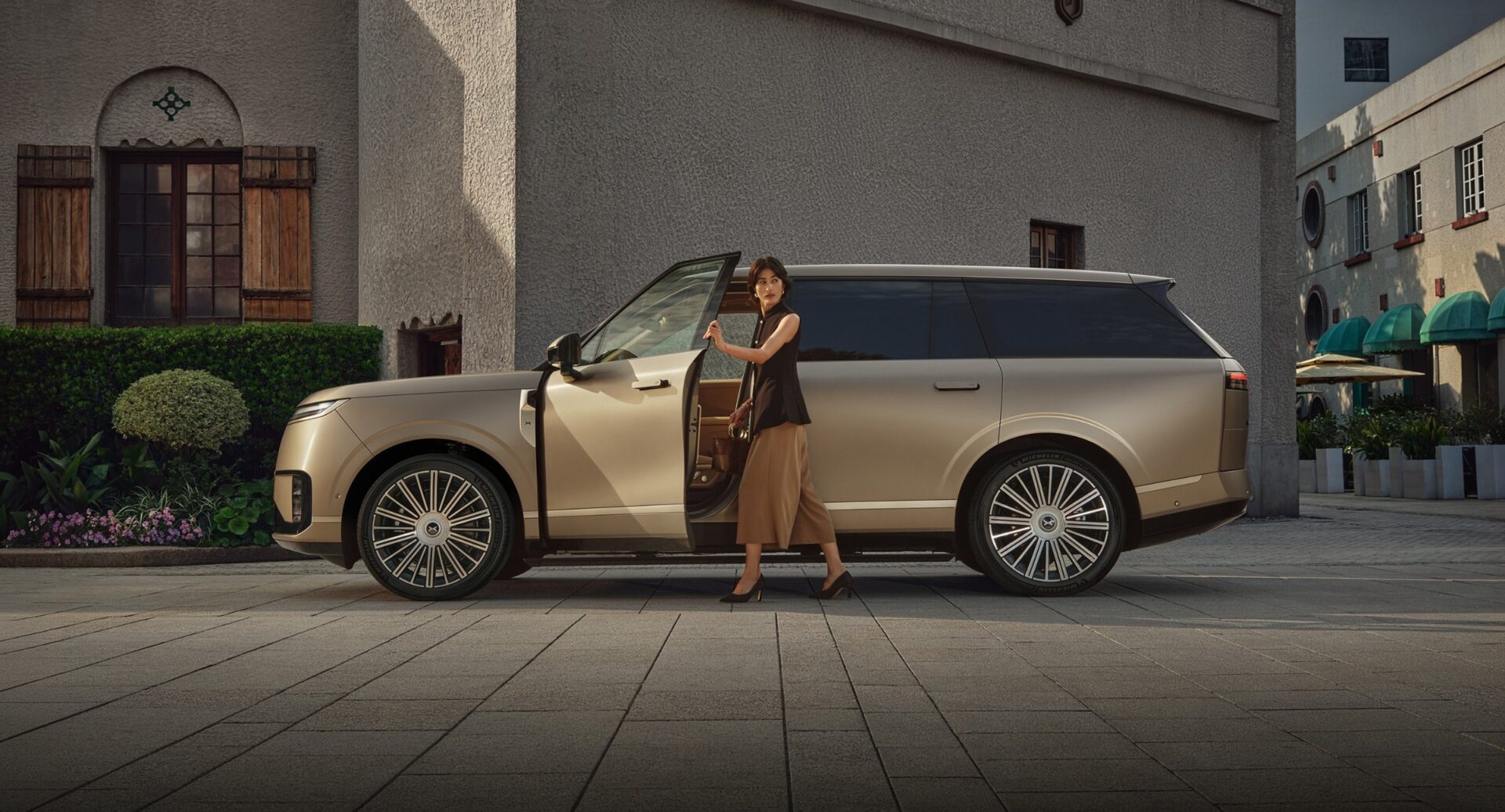
Second generation VLA - autonomous parking without driver intervention at highway service areas (高速服务区无需接管自主泊车).
VLA + VLM - voice control for driving (语音控车前行).
China Top Ten Chassis: the plates
Five more from XPENG’s set; the sixth sits under the chassis section. The figures are XPENG’s own.
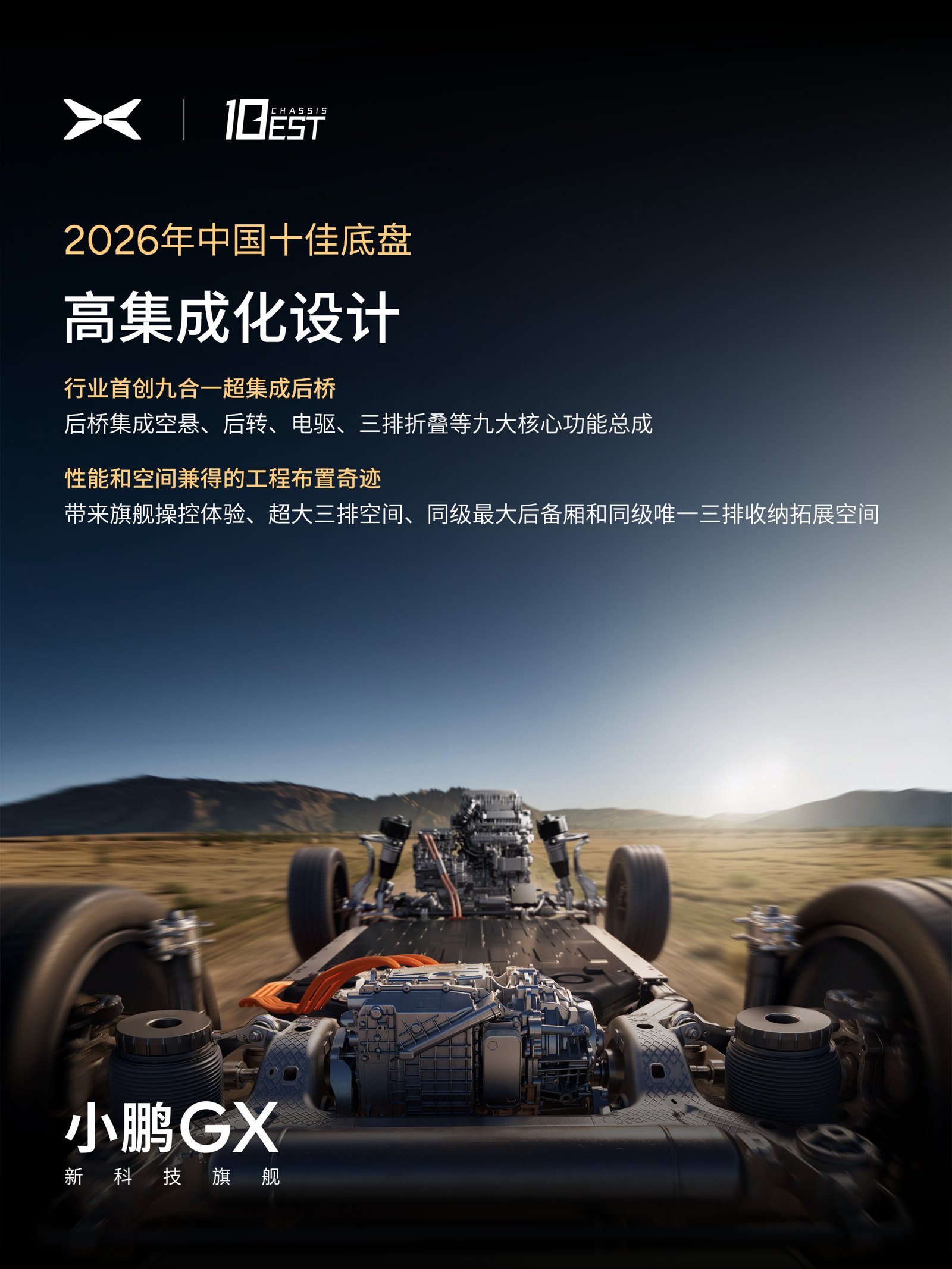
The third-row space and the class-largest boot come, by XPENG’s account, from one thing: a rear axle that packs the air suspension, the rear steering, the drive unit and the third-row fold into a single assembly
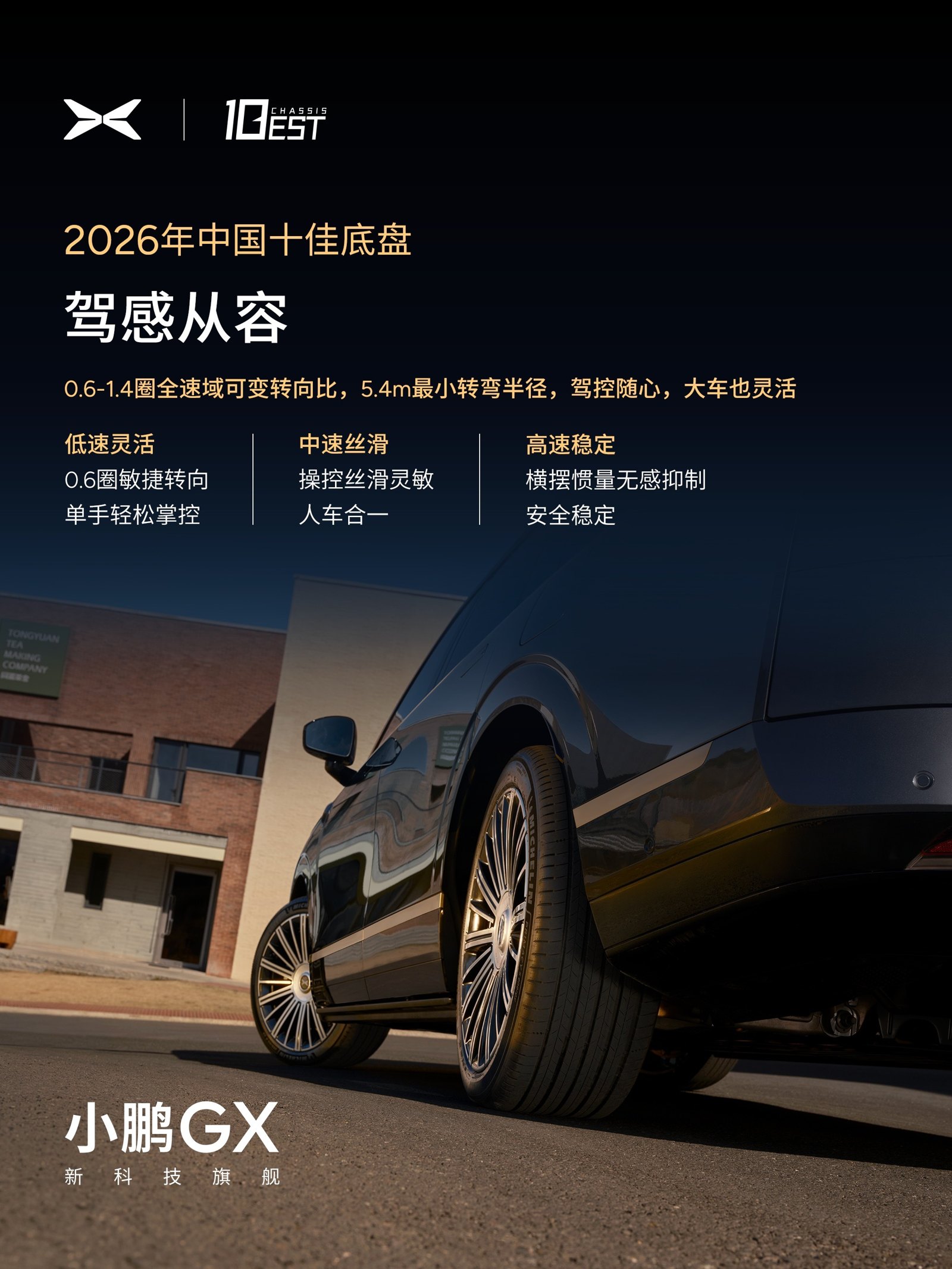
The wheel turns only 0.6 times lock to lock at parking speed and 1.4 at motorway speed, where the car also damps yaw. Turning radius 5.4 m.
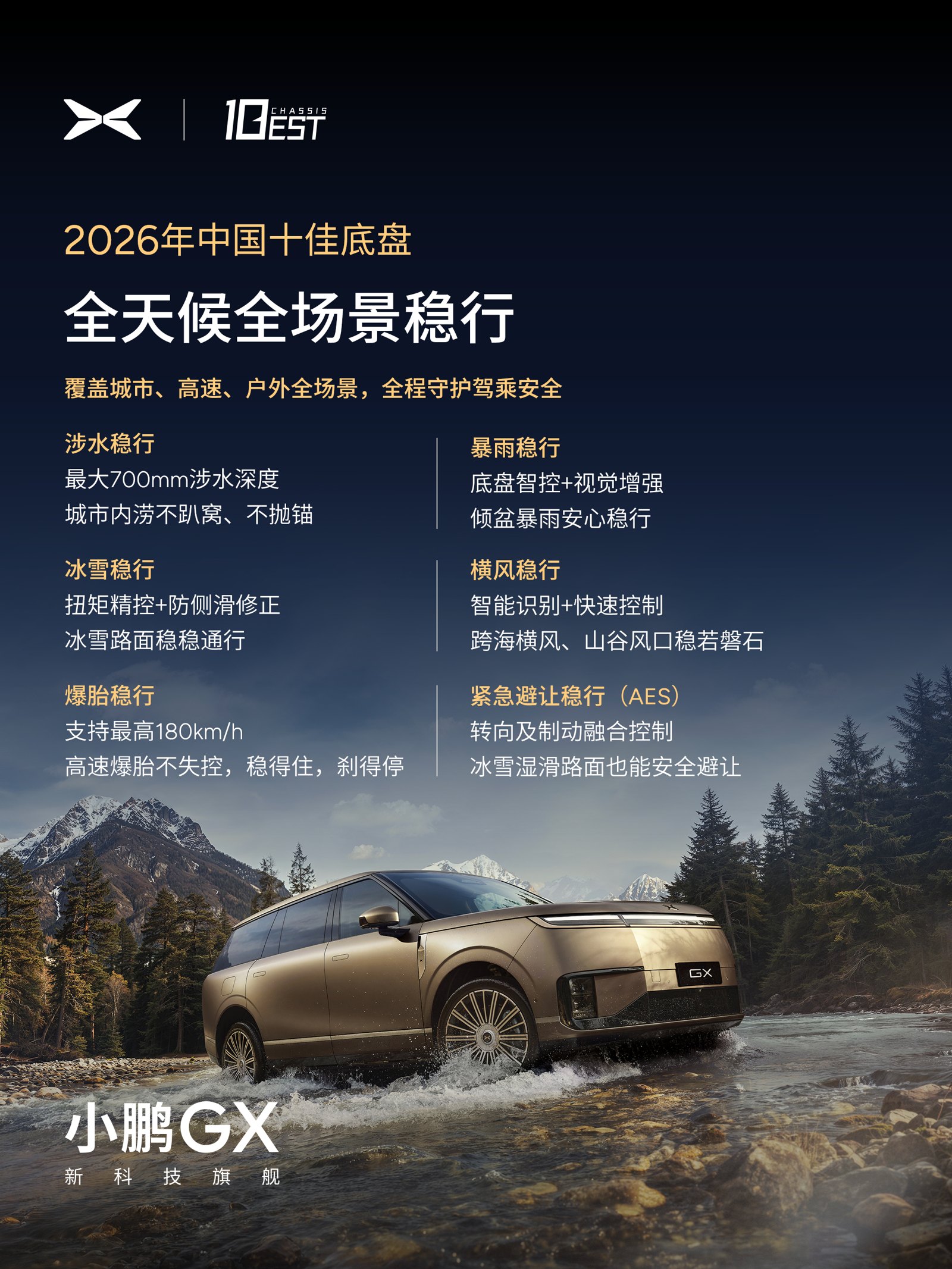
The car holds its line through 700 mm of water, on ice and snow, in crosswinds and through a blowout at up to 180 km/h, and steers around an obstacle itself with AES emergency steering.
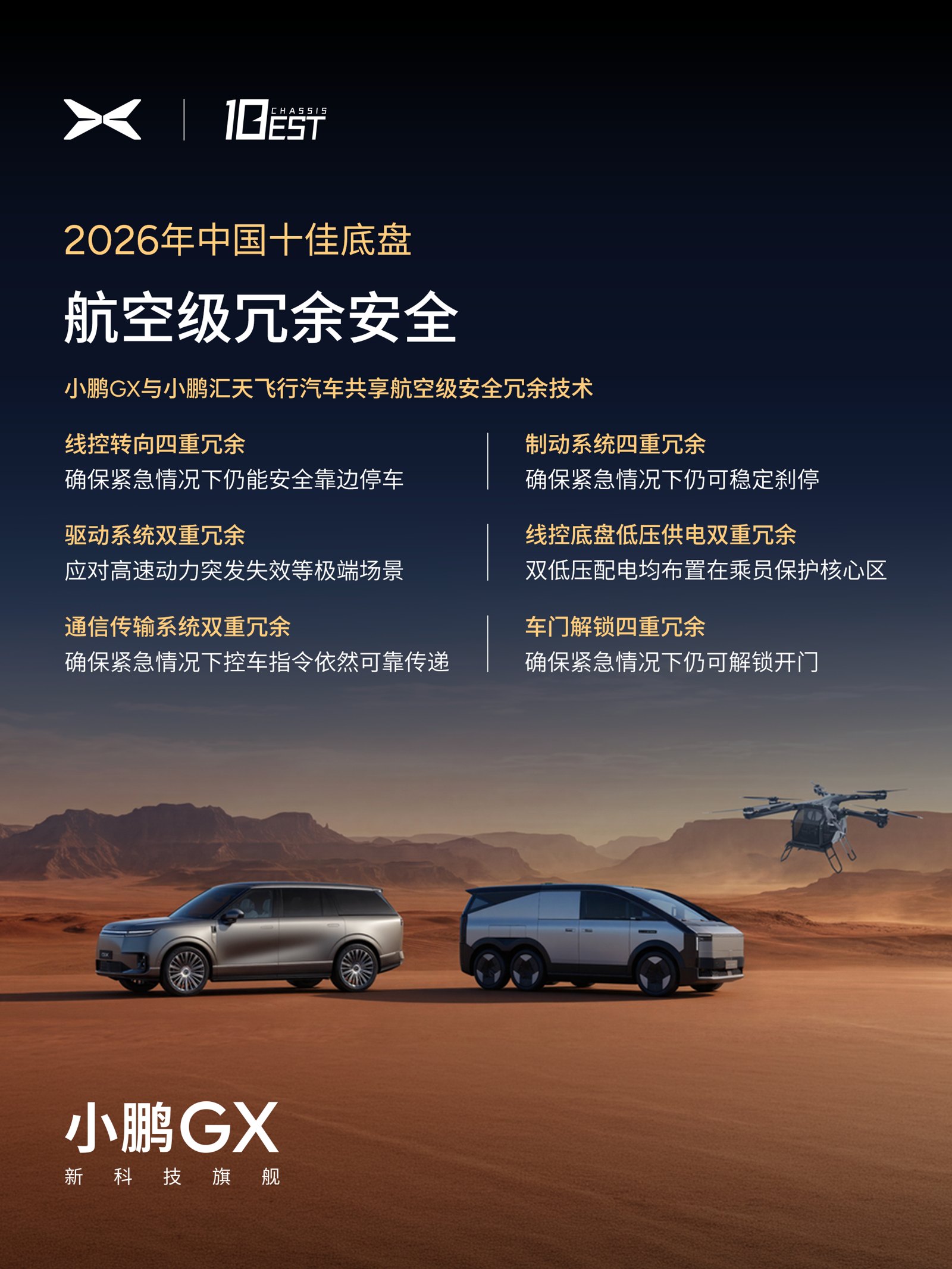
Fourfold backup on steering, brakes and door unlocking. Twofold on drive, communication and the chassis power supply. The same principle as in Aridge’s flying car.
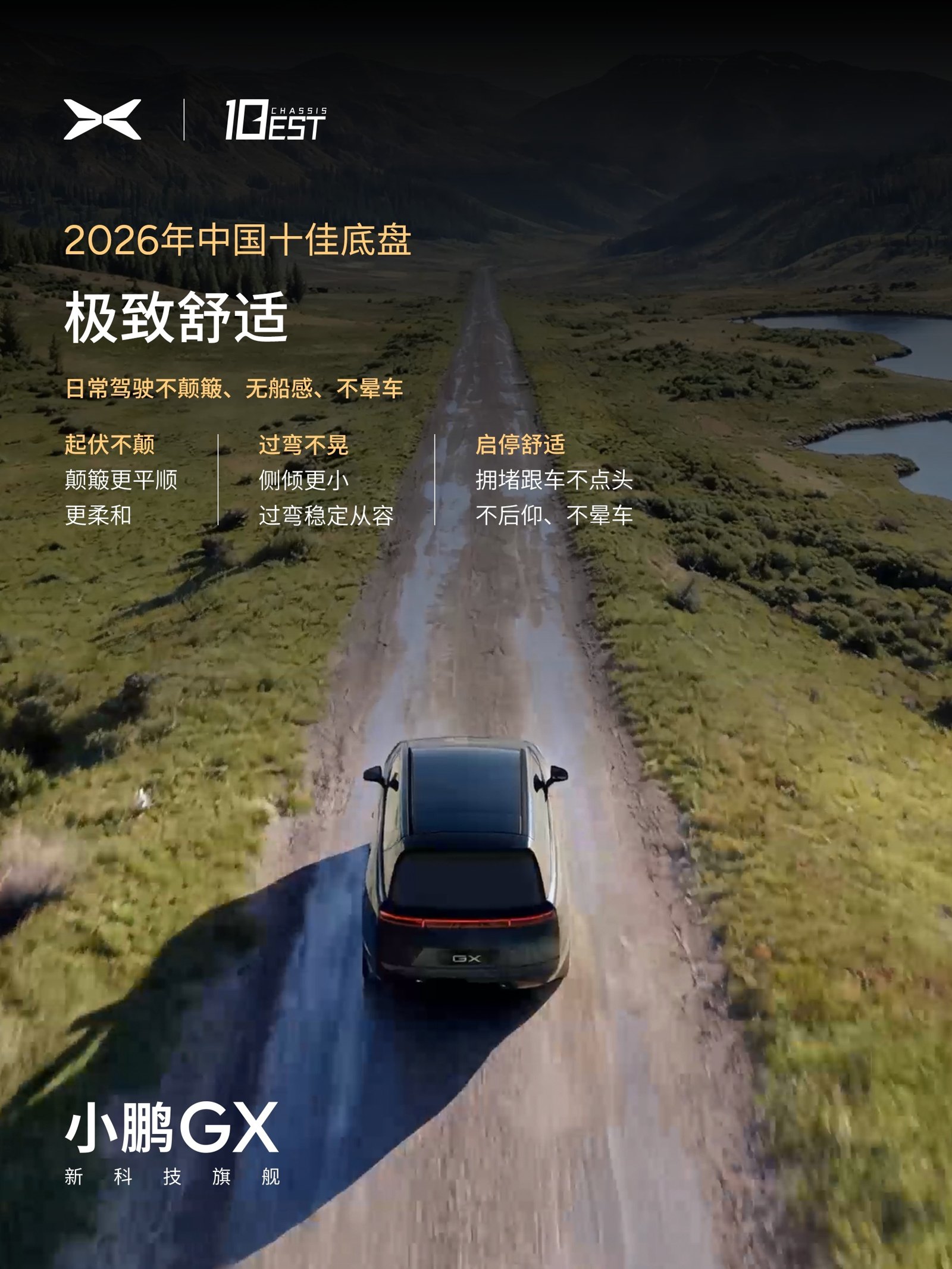
Sources
- XPENG GX official page (China)
- XPENG GX official specifications table (BEV + EREV) - prices, range and equipment in the tables above
- XPENG GX store configurator (China) - colours, wheels, interiors and the 360° panoramas
- XPENG launch press release (20 May 2026) - campaign prices
- MIIT batch 404 - GX (G01) filing
- MIIT batch 407 - G9L (G02) filing
- CnEVPost (9 May 2026) - English summary of the G9L filing
- XPENG - G9L seating for Europe (six- and seven-seat layouts; July 2026, not yet in a public European spec sheet)
- Gasgoo - He Xiaopeng on the GX as the first SEPA 3.0 model
- Forbes - Jacky Gu on the L03 as based on SEPA 3.0
- XPENG Robotaxi press release (18 May 2026) - mass-produced fleet vehicle on the GX platform
- CarExpert - GX confirmed for Australia
- XPENG GX UAE pre-order
- CnEVPost (31 August 2026) - 20,000 GX delivered and the month-by-month figures. He Xiaopeng’s Weibo post the same morning - the handover to Bu Xinwen, Bosch Huayu
- XPENG’s Weibo post (17 September 2026, 19:16 Beijing time, during the G9L launch) - 25,000 GX delivered in four months, top three for two months running among large SUVs above CN¥ 300,000, over 3,000 orders in the Middle East
- XPENG’s own plates after the 2026 China Top Ten Chassis award, Weibo, 2 September 2026 - the figures under Chassis and in the gallery; the award’s organiser is not confirmed beyond XPENG’s post
The MIIT pages are announcements with attachments; row-level specifications come from those attachments as reported by Chinese media. Prices and equipment follow XPENG’s official specifications table. Inline image captions use XPENG’s title and subtitle text from xiaopeng.com/gx.html (embedded JSON / swiper footer - not the occasionally offset visible slide title). Tech-render captions are translations of XPENG’s labels on the same page. Chassis figures such as the 34.4 m 100-0 stop and AEB/AES speeds are XPENG lab claims, not independent tests. Note that a filing covers one specific variant: the seat count in a filing is not necessarily every version the car is sold in.
Related: Lineup hub · Compare specs · XPENG G9 · G9 differences · XPENG Robotaxi · Markets
Changes to this page (3)
- China launch and markets: XPENG's stocktaking at the G9L launch - 25,000 GX delivered in four months, top three for two months running, and over 3,000 orders in the Middle East.
- 20,000 GX delivered by 31 August with the handover to Bosch Huayu, and the 2026 China Top Ten Chassis award with XPENG's six plates.
- Page rebuilt: trims, prices and key specs, EV and EREV powertrains, SEPA 3.0 chassis, cabin, configurator colours, wheels and interior, the China launch, 91 images and four films.